Knowing how to choose the right flight school can be the single most important decision in your aviation career. Whether you dream of flying commercially, earning your private pilot certificate, or simply taking to the skies for recreation, the school you train at will shape your habits, skills, and career trajectory for years to come. Not all flight training programs are created equal, and understanding what separates a great program from an average one can save you significant time, money, and frustration.
At Savannah Aviation, we believe every student deserves transparent, expert-led training in a supportive environment. Call (912) 964-1022 to speak with one of our experienced flight instructors and schedule your introductory lesson today.
The very first thing to verify when evaluating a flight school is its regulatory standing with the Federal Aviation Administration. In the United States, flight schools generally operate under one of two frameworks: Part 61 or Part 141 of the FAA regulations. Understanding the difference between these two structures is essential before you commit.
Part 61 schools offer a flexible, instructor-driven curriculum that works well for students with irregular schedules or those pursuing flying as a hobby. Lesson plans are customized to each student's pace and learning style, making this a popular option for recreational pilots.
Part 141 schools follow a structured, FAA-approved curriculum with defined stage checks and minimum hour requirements. This pathway is often preferred by students pursuing a professional aviation career because it is recognized by airlines and can reduce the total flight hours required for certain certificates under specific conditions.
Neither structure is universally superior — the right choice depends on your goals. What matters most is that the school is properly certified, maintains a current FAA operating certificate, and has a track record of producing safe, competent pilots.
Your flight instructor will be your most direct influence throughout training. The quality of instruction you receive shapes not only your technical skills but also your aeronautical decision-making, situational awareness, and overall safety culture in the cockpit. When evaluating a flight school, spend time assessing the instructors directly.
A brief introductory flight or discovery lesson is one of the best ways to assess instructor compatibility before fully committing to a program. Most reputable flight schools, including Savannah Aviation, offer this opportunity.
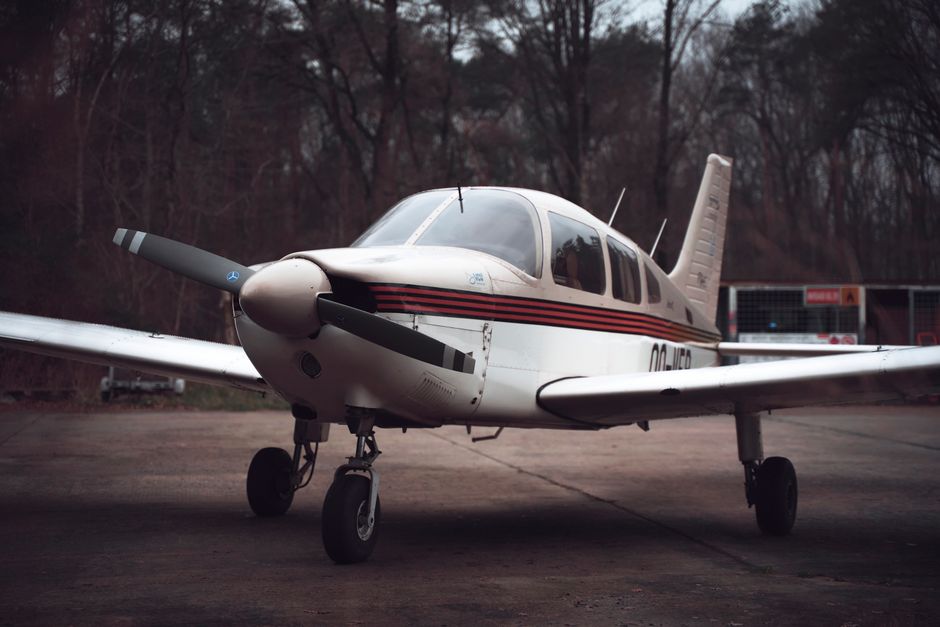
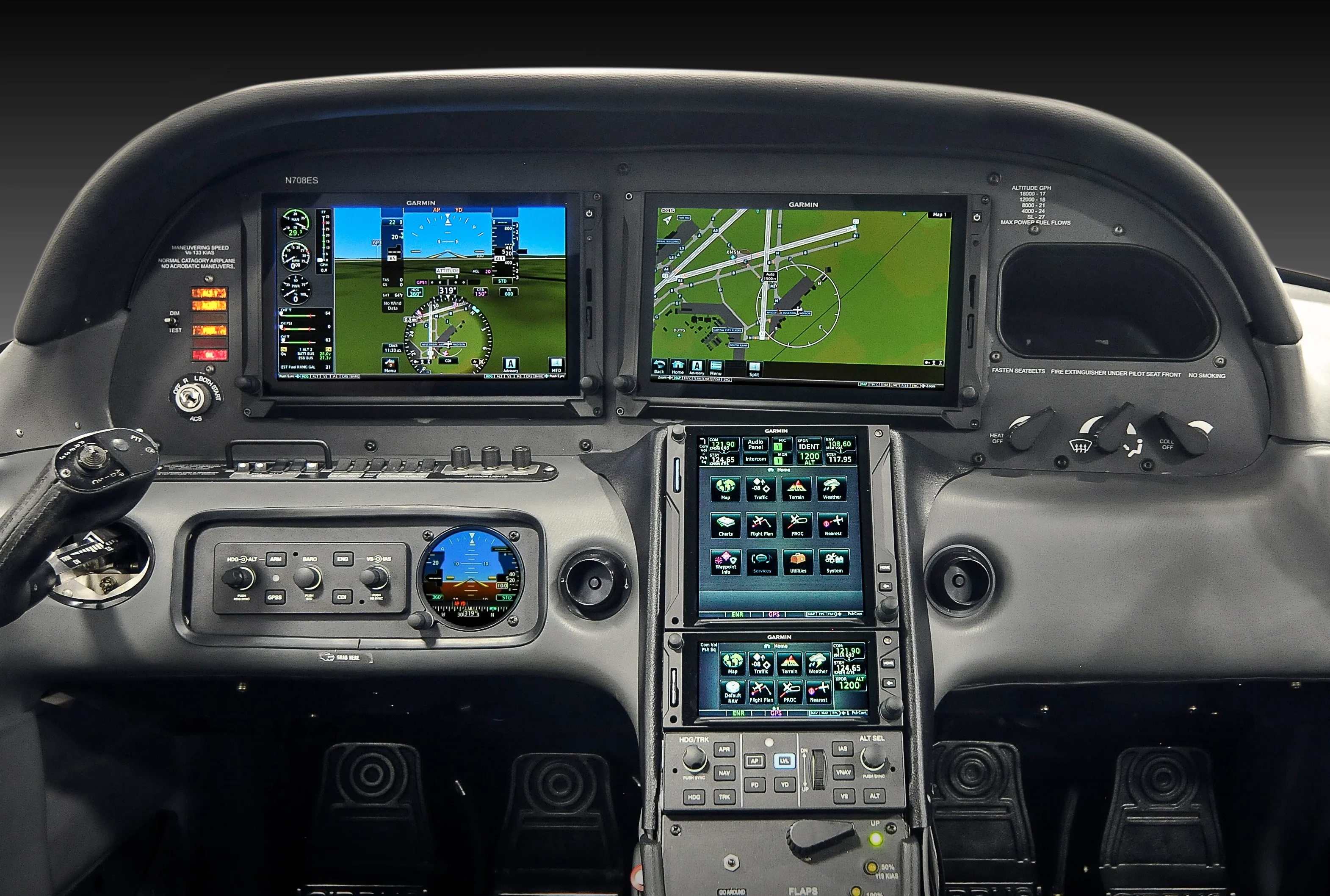
The aircraft you train in directly affects the quality and safety of your education. A well-maintained, modern fleet reduces mechanical delays, keeps insurance costs reasonable, and ensures you are learning on equipment that reflects current industry standards.
Flight training is a meaningful financial investment, and understanding the true cost structure of a program before you begin is critical. Beware of schools that advertise unrealistically low total-cost estimates that do not account for the full range of fees a student will encounter.
When comparing schools, ask for a complete, itemized breakdown that includes:
The national average cost to earn a private pilot certificate typically ranges from roughly $10,000 to $15,000 or more depending on location, aircraft type, and individual student progress. Students who train consistently and regularly tend to complete the program more efficiently, reducing overall cost. Ask each school about financing options, veteran benefits, or scholarship opportunities that may be available to you.
The geographic location of a flight school has a surprisingly large impact on the quality and efficiency of your training. Schools located near complex, controlled airspace — such as Class C or Class B environments — can provide exposure to real-world communication and navigation challenges that better prepare you for diverse flying conditions.
Savannah, Georgia, for example, offers a training environment with a mix of controlled airspace, coastal geography, and varied weather conditions throughout the year. This variety gives students at Savannah Aviation exposure to a wide range of real-world scenarios that pure visual-meteorological-conditions-only training cannot replicate.
Additionally, consider the following location factors:
The culture of a flight school matters more than many prospective students initially realize. Aviation training is demanding, and the level of support you receive between flights — through ground briefings, written test prep, mentorship, and community — plays a major role in how quickly and confidently you progress.
Look for schools that provide structured ground training alongside flight lessons, offer access to flight simulators for low-cost procedure practice, maintain an engaged student community, and have an open-door culture where students feel comfortable asking questions without judgment.
Reading verified student reviews, visiting the facility in person, and speaking with current or former students are among the most reliable ways to assess a school's culture before you enroll. A school that is proud of its program will welcome your scrutiny.
Choosing the right flight school ultimately comes down to aligning the school's strengths with your specific goals, schedule, and budget. There is no universally perfect program — only the right fit for you. Prioritize instructor quality and aircraft maintenance above all else, as these two factors have the greatest direct impact on safety and training effectiveness.
If you are ready to take the next step toward earning your wings, Savannah Aviation is here to guide you through every phase of your flight training journey. Our certified instructors, well-maintained fleet, and student-first approach make us one of the most trusted flight schools in the Savannah, Georgia region.
Request a personalized discovery flight and experience how professional instruction and careful preparation make learning to fly exciting and rewarding. Our team guides every step to help you build skills safely and confidently.
.webp)





.webp)