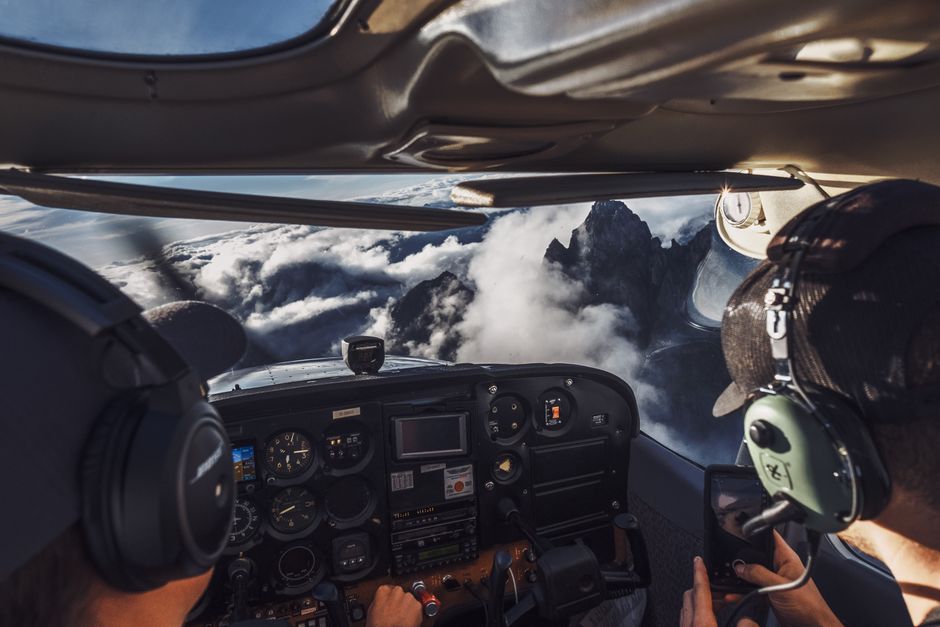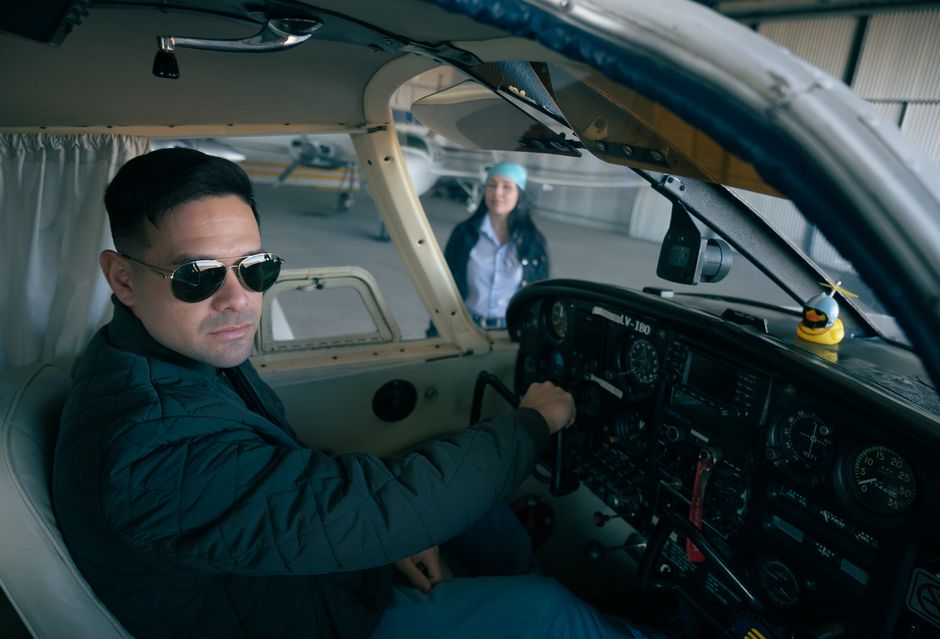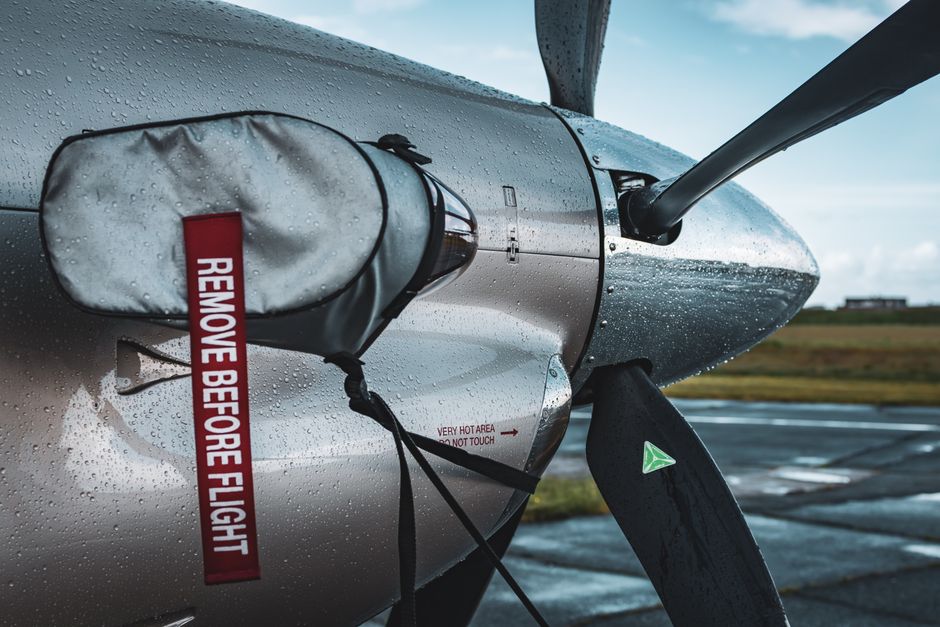
Earning your pilot certificate requires passing a comprehensive final examination known as the practical test. This crucial evaluation, universally called a checkride, tests your aeronautical knowledge and physical flying abilities. Preparing thoroughly for this milestone ensures you demonstrate total confidence and a high level of safety in the cockpit.
Schedule your mock evaluation flight by dialing (912) 964-1022 to perfect your cockpit maneuvers before examination day arrives.
Student pilots often feel overwhelmed by the intense preparation required for this final evaluation. Breaking the process down into manageable study sessions significantly reduces performance anxiety. Your designated examiner wants to see you succeed and join the respected ranks of certified aviators safely and professionally.
The oral exam serves as the foundational beginning of your practical test experience. During this comprehensive interview process, the examiner evaluates your theoretical understanding of flight mechanics and federal regulations. Delivering confident answers proves you possess the intellectual maturity required for safe independent flight operations.
Many students dedicate upwards of 480 hours to comprehensive flight preparation and studying throughout their entire training journey. This extensive preparation becomes highly evident when discussing complex aerodynamics or weather systems. Speaking clearly and taking time to formulate thoughtful responses demonstrates excellent command pilot decision-making skills.
Once you successfully complete the ground evaluation phase, you will transition to the actual aircraft. This practical flying segment requires you to demonstrate mastery over various required maneuvers and standard procedures. Remaining calm while executing these physical tasks proves you can handle real-world flight scenarios.
Your examiner will instruct you to perform specific tasks from the official certification standards document. You must maintain precise control over your altitude, airspeed, and heading throughout the entire flight. Consistent practice with your certified flight instructor builds the necessary muscle memory for consistent proficiency.
Every candidate must present specific documentation before the evaluation can officially begin. You are responsible for proving that your chosen aircraft is legally airworthy and properly maintained. Understanding how to locate annual inspection records and equipment lists is a vital skill for every certified pilot.
Missing documentation can halt your testing process immediately and result in an automatic delay. Reviewing your maintenance logbooks thoroughly with your instructor prevents these frustrating administrative setbacks. Taking ownership of aircraft airworthiness establishes a strong foundation of safety and profound professional responsibility.
Your personal flight logbook serves as the official legal record of your aeronautical experience. Instructors must provide specific written endorsements verifying you meet all regulatory requirements for the test. Missing signatures or incorrect flight time totals will invalidate your eligibility to take the exam.
Auditing your logbook entries carefully ensures every single training flight is properly documented and tallied. You should organize your records meticulously using clear tabs to highlight important milestones and required endorsements. This attention to detail impresses examiners and starts the day off right.
A significant portion of your evaluation focuses heavily on interpreting complex meteorological data. You must obtain a comprehensive standard weather briefing and explain how current conditions affect your planned route. Identifying potential hazards like thunderstorms or icing conditions showcases your commitment to aviation safety protocols.
Developing a detailed cross-country flight plan requires accurately calculating fuel burn and estimated arrival times. You must select appropriate cruising altitudes based on prevailing winds and geographic terrain clearance requirements. Presenting a meticulously organized navigation log proves you are ready for independent travel.
Examiners will introduce unexpected simulated emergencies to test your critical thinking under intense pressure. You must demonstrate the ability to troubleshoot engine failures or electrical malfunctions quickly and efficiently. Reciting your emergency memory items accurately proves you can handle severe stress without panicking or freezing.
Finding a suitable landing field promptly during a simulated power loss is a critical skill. You must establish best glide speed immediately while turning toward your chosen emergency landing spot. Prioritizing aircraft control above all else helps ensure you survive unpredictable mechanical failures in reality.
Operating out of confined airstrips requires utilizing maximum performance techniques and strict airspeed control. You must demonstrate the ability to clear simulated obstacles safely during your initial departure climb. Maintaining a precise pitch attitude ensures you achieve the best possible angle of climb without stalling.
Landing on a shortened runway demands planting the aircraft on or near your preselected touchdown point within specific testing tolerances. You must apply aerodynamic braking immediately upon touchdown to stop within the required distance. Mastering these precision maneuvers allows you to access remote airports and exciting new travel destinations.
Taking off from unpaved grass or dirt surfaces requires a different aerodynamic approach. You must keep the nose wheel elevated to reduce rolling resistance and prevent structural damage. Lifting off at the slowest possible speed keeps the aircraft from bogging down in soft terrain.
Landing on a soft surface requires touching down with finesse and holding the yoke back. The goal is to keep the delicate nose gear clear of the rough ground. Maintaining continuous back pressure during the rollout protects the propeller from striking hidden obstacles.
Executing a good steep turn requires significant coordination between your flight controls and engine power. As your bank angle increases past 30 degrees, the aircraft loses vertical lift rapidly. Adding appropriate back pressure and engine thrust keeps your altitude level throughout the entire maneuver.
You must scan outside the windshield constantly while briefly cross-checking your instrument panel. Keeping your eyes focused on the natural horizon prevents spatial disorientation and altitude deviations. Rolling out on your original assigned heading demonstrates mastery over the aerodynamic forces of flight.
Understanding how an aircraft loses lift is fundamentally critical for surviving accidental aerodynamic stalls. You must intentionally induce both power-on and power-off stalls during your flight test. Recognizing the physical buffet and audible warning horn gives you time to react before losing control.
Recovery requires simultaneously reducing your angle of attack and applying maximum engine power. You must minimize altitude loss while returning the aircraft to a normal cruising flight attitude. Practicing these recoveries builds immense confidence and eliminates the natural human fear of falling from the sky.
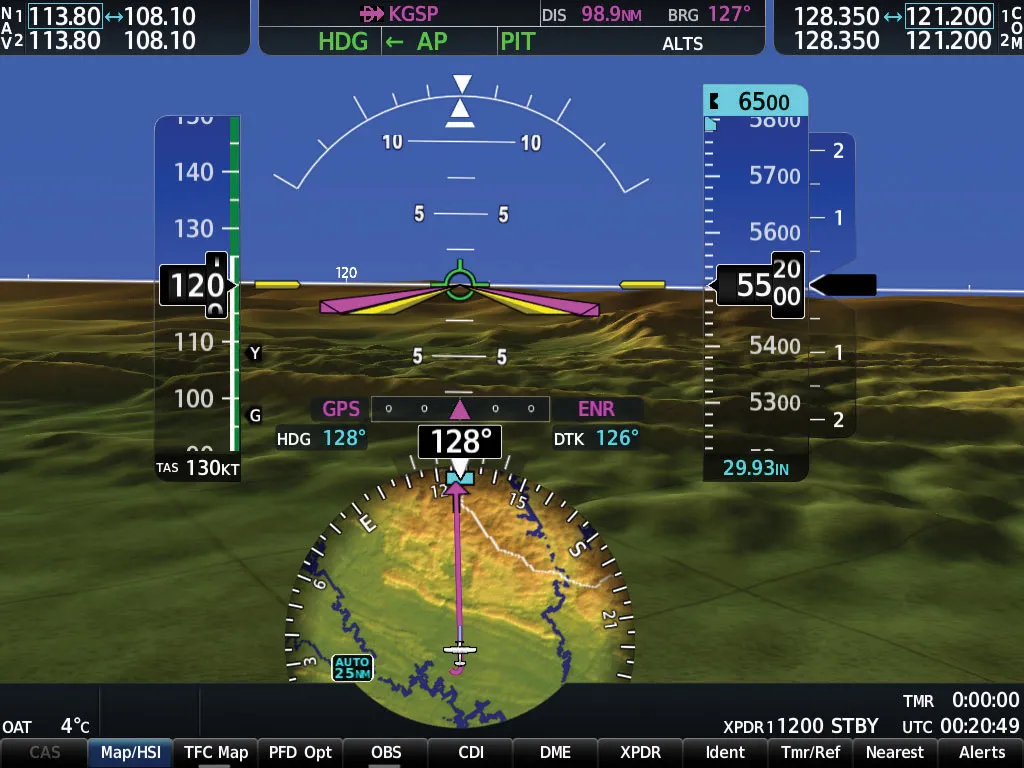
Flying solely by reference to your dashboard instruments is a vital lifesaving skill for pilots. Your examiner will have you wear a vision-limiting device to simulate flying inside thick clouds. You must maintain straight and level flight, execute turns, and recover from unusual attitudes safely.
Trusting your instrument panel instead of your inner ear prevents severe spatial disorientation accidents. Developing a rapid visual scanning technique keeps your heading and altitude locked in tight. This fundamental training ensures you can escape accidental encounters with instrument meteorological weather conditions.
Speaking on the aviation radio requires utilizing standard phraseology and a confident, clear voice. You must demonstrate the ability to communicate your intentions accurately to other aircraft and ground facilities. Avoiding unnecessary chatter keeps the busy radio frequencies open for vital safety information and clearances.
Listening carefully before transmitting prevents you from blocking other important ongoing pilot conversations. You must state who you are calling, who you are, where you are, and what you want. Following this simple structural formula makes your radio calls sound highly professional and organized.
Operating inside controlled airspace requires following strict instructions issued by authorized air traffic controllers. You must read back all runway assignments and clearance limits to verify you understood them completely. Establishing a positive working relationship with controllers enhances the overall safety of the national airspace.
If you ever misunderstand an instruction, you must request immediate clarification without any hesitation. Controllers prefer you ask questions rather than guessing and causing a dangerous airspace violation. Working together as a cohesive team ensures every single aircraft reaches its destination safely and efficiently.
The national airspace system is divided into multiple classes with different visibility requirements. You must memorize the specific equipment rules and weather minimums for every single airspace category. Identifying these designated zones accurately on your sectional navigation chart is mandatory for the oral exam.
Accidentally flying into restricted airspace without permission can result in legal consequences and penalties. You must remain situationally aware of your exact geographic position at all times during flight. Utilizing modern GPS technology alongside traditional pilotage techniques keeps you well clear of forbidden military zones.
Navigating a complex airport surface requires a thorough understanding of all painted taxiway markings. You must identify hold short lines and mandatory instruction signs correctly to prevent runway incursions. Misinterpreting a ground sign during your evaluation can result in a testing failure.
Reviewing airport diagrams prior to engine start helps you visualize the expected taxi route clearly. You should never cross a solid double yellow line without receiving explicit clearance from the tower. Maintaining a sterile cockpit during ground operations ensures you remain focused on the taxiway.
Operating an aircraft after sunset introduces unique physiological challenges and visual optical illusions. You must understand how dark adaptation works and how to protect your sensitive night vision. Identifying other aircraft by their navigation light colors helps you determine their relative direction of travel.
Your examiner will question you on required night equipment and proper runway lighting systems. You must know how to activate pilot-controlled lighting using your communication radio microphone button. Planning for night emergencies requires selecting well-lit highways or airports for potential precautionary diversion landings.
Every pilot must possess a valid medical certificate issued by an authorized aviation medical examiner. You must understand the different classes of medicals and their respective legal expiration dates. Flying with a known medical deficiency is strictly prohibited and severely compromises passenger safety.
Certain over-the-counter medications can cause extreme drowsiness and dangerous cognitive impairment during flight. You must consult official aeromedical databases before taking any new prescriptions while acting as pilot. Protecting your physical health is a fundamental prerequisite for enjoying a long and successful flying career.
Loading an aircraft improperly can alter its center of gravity and compromise its aerodynamic stability. You must calculate the exact weight of all passengers, cargo, and fuel before departure. Proving your aircraft is within legal structural limits is a mandatory component of your ground evaluation.
An overweight aircraft requires a significantly longer runway to achieve takeoff speed and clear obstacles. Moving heavy baggage forward or aft can drastically change how the flight controls feel in flight. Understanding these physical principles ensures you never compromise the structural integrity of your airplane.
Aircraft manufacturers provide detailed performance charts based on variable atmospheric conditions and temperature changes. You must use these graphs to determine your exact takeoff roll and landing distance requirements. High density altitude significantly degrades engine performance and propeller efficiency on hot summer afternoons.
Calculating your true airspeed and expected fuel burn allows you to plan your route precisely. You must prove you can extract accurate data from these complex manual charts during the test. Trusting the manufacturer data rather than guessing prevents runway overruns and fuel exhaustion accidents.
Understanding how high altitude affects human physiology is vital for avoiding dangerous hypoxia symptoms. You must recognize the early warning signs of oxygen deprivation and take immediate corrective action. Knowing when supplemental oxygen is legally required protects you and your passengers from losing consciousness.
Carbon monoxide poisoning is another severe silent threat caused by faulty aircraft cabin heating systems. You must monitor your cockpit environment constantly and utilize chemical detector badges for added safety. Opening fresh air vents immediately upon smelling exhaust fumes can save your life.
Legal weather minimums are often much lower than what is genuinely safe for novice aviators. You must establish strict personal weather minimums based on your own actual flight experience level. Committing to these personal boundaries prevents you from succumbing to dangerous external peer pressure.
Your examiner wants to see that you possess the maturity to cancel a planned flight. Making the difficult decision to stay firmly on the ground demonstrates excellent aeronautical decision-making. A safe pilot always prioritizes long-term survival over reaching a destination on a rigid schedule.
Arriving fully prepared on evaluation day significantly reduces your overall stress levels. You must pack your flight bag carefully the night before to ensure you possess all necessary tools. Missing essential gear can delay or entirely cancel your scheduled examination.
Many applicants fail simply because they rush through procedures instead of utilizing printed checklists. Relying solely on your memory during stressful situations frequently leads to critical missed steps. Always keep your physical checklist readily accessible and read every single item out loud clearly.
Another frequent error involves fixating entirely on the dashboard instruments while neglecting outside traffic. You must maintain a continuous visual scan to spot conflicting aircraft in your immediate vicinity. Balancing inside reference with outside vigilance is the ultimate hallmark of a safe aviator.
Confidence in the cockpit comes directly from practicing maneuvers until they become pure muscle memory. You should visualize each flight procedure mentally while sitting in a quiet room at home. This powerful psychological technique reinforces the exact physical sequence without burning expensive aviation fuel.
Flying is a highly perishable skill that demands regular practice to maintain absolute proficiency. Even after passing your evaluation, you must continue pushing yourself to learn advanced new techniques. A great pilot remains an eternal student who constantly seeks to improve their fundamental abilities.
Federal regulations mandate strict speed limits when flying below certain altitudes or near busy airports. You must maintain airspeeds below 250 knots when operating below 10,000 feet. Recognizing these critical regulatory boundaries prevents dangerous conflicts with slower training aircraft in the pattern.
Understanding how your aircraft accelerates in descending flight helps you manage your kinetic energy properly. You must plan your descents early to avoid arriving at your destination too high or fast. Smooth power reductions demonstrate professional foresight and keep your passengers comfortable during arrival.
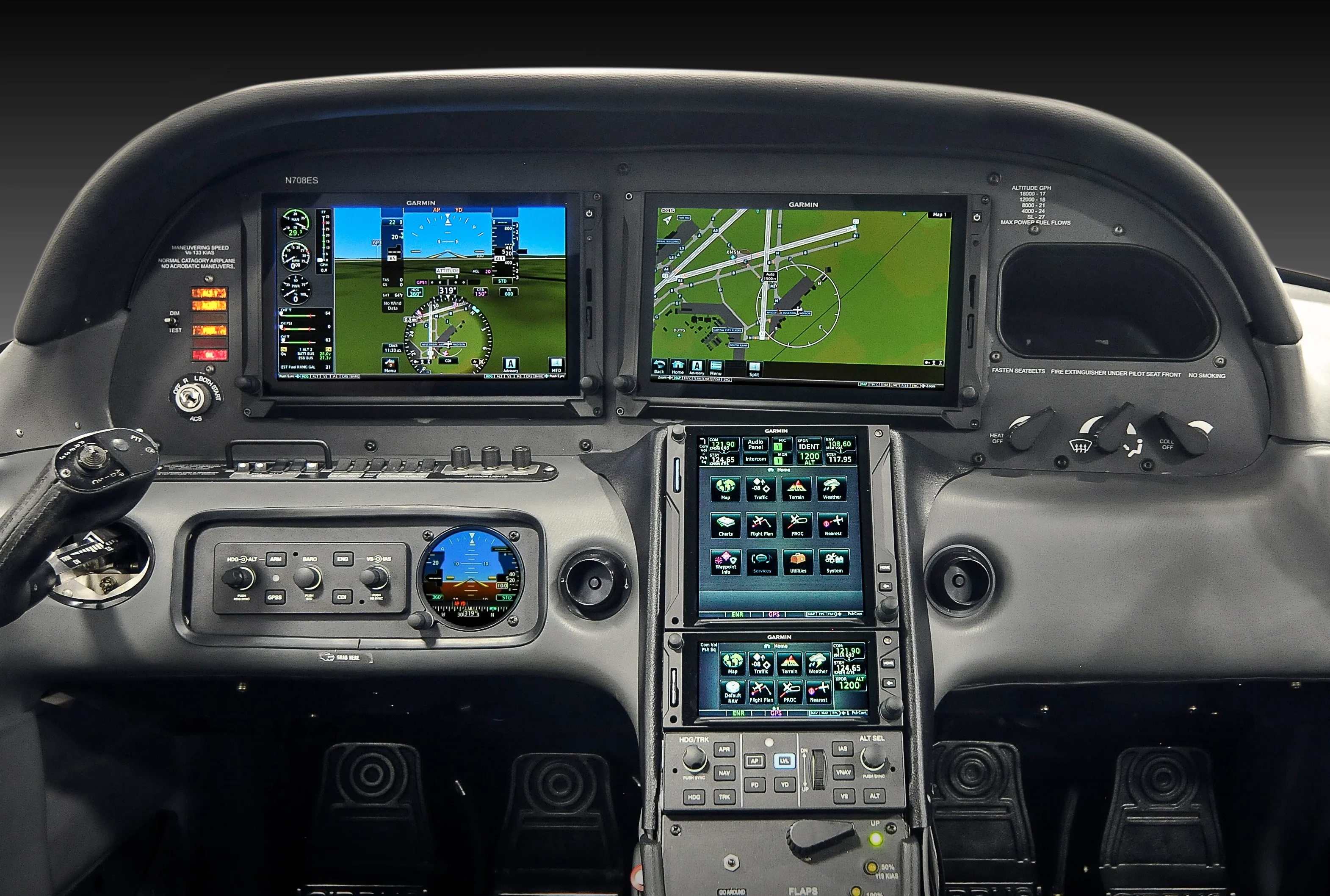
Modern training airplanes feature increasingly complex digital avionics and intricate electrical power systems. You must comprehend how your alternator, battery, and essential electrical buses interact during normal operations. Explaining these detailed schematics confidently during the oral exam proves your deep mechanical understanding of the machine.
Knowing how to isolate a failing component prevents localized electrical fires from spreading catastrophically. You must memorize the exact location of critical circuit breakers and emergency backup power switches. Total systemic knowledge empowers you to troubleshoot terrifying mechanical anomalies quickly and safely while airborne.
Passing your initial practical test is merely the very first step in your aviation journey. Earning an instrument rating allows you to navigate safely through dense clouds and heavy rainfall. Continuing your education opens doors to exciting commercial pilot careers and advanced multi-engine aircraft opportunities.
Many students immediately begin studying for their next certificate to maintain their intense learning momentum. Setting bold new goals keeps your passion for flying vibrant and continually rewarding. The sky provides endless opportunities for those willing to dedicate themselves to professional aeronautical excellence.
Savannah Aviation has proudly guided aspiring aviators to success for decades. We provide elite private pilot instruction, advanced instrument training, and comprehensive commercial flight courses. Our dedicated instructors focus intensely on personalized mentorship to guarantee your readiness. Take command of the skies and start flying right now.
Contact: info@savannahaviation.com | (912) 964-1022
Request a personalized discovery flight and experience how professional instruction and careful preparation make learning to fly exciting and rewarding. Our team guides every step to help you build skills safely and confidently.
.webp)







.webp)