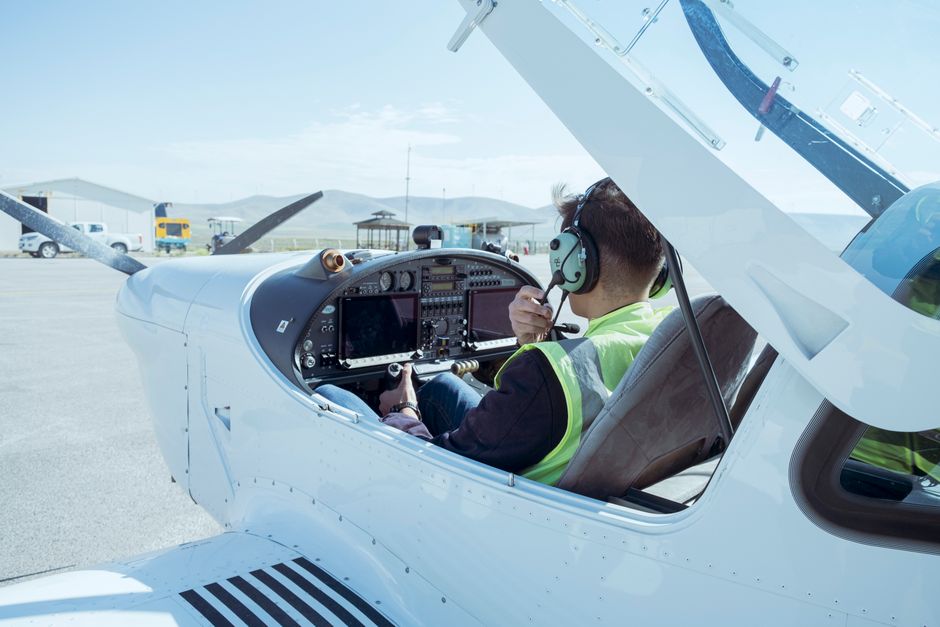
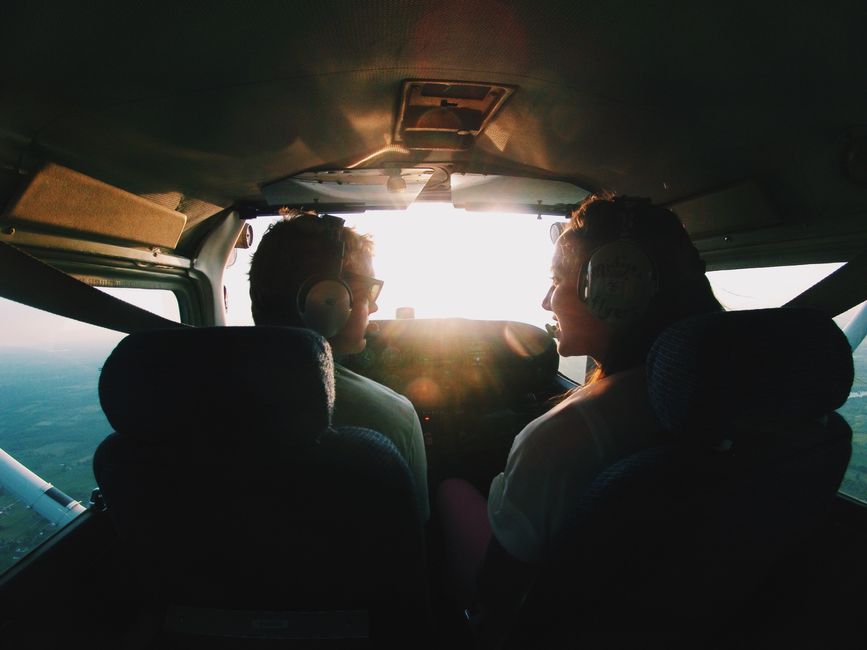
Mastering the airport traffic pattern is one of the most important milestones in a student pilot's early training. The traffic pattern is the standardized rectangular flight path flown around an airport that organizes arriving and departing aircraft into a predictable, safe flow. Every time you take off or land, you are operating inside — or transitioning through — this critical piece of airspace structure.
At Savannah Aviation, our experienced flight instructors spend significant time in the pattern with every student, because precision pattern flying builds the habit loops that define safe landings for the rest of your flying career. Call (912) 964-1022 to schedule your introductory lesson and start working toward your private pilot certificate today.
For many student pilots, the traffic pattern feels deceptively simple on paper — a rectangle around a runway. But once you are in the cockpit managing airspeed, altitude, radio calls, checklists, wind corrections, and traffic awareness simultaneously, that rectangle demands real discipline and skill. This guide walks you through every leg of the standard pattern, explains what you should be doing at each point, and identifies the most common mistakes students make so you can avoid them from the start.
The FAA defines the standard traffic pattern as a left-hand rectangular circuit flown around the runway in use. "Left-hand" means all turns in the pattern are made to the left. Some airports publish right-hand traffic patterns for specific runways — always check the Chart Supplement (formerly the Airport/Facility Directory) or the sectional chart before flying into an unfamiliar field.
The standard traffic pattern altitude for piston aircraft at most airports is 1,000 feet above airport elevation (AGL). Turbine aircraft typically fly 1,500 feet AGL. These altitudes are not arbitrary — they give pilots enough time and energy to execute a stabilized approach if an engine failure occurs on any leg of the pattern.
The traffic pattern is divided into five named legs, each with its own purpose, tasks, and radio calls. Understanding each leg in sequence is the foundation of consistent, professional pattern work.
The upwind leg runs parallel to the runway in the direction of takeoff. After liftoff, you climb straight ahead on the runway heading until you reach a safe maneuvering altitude — typically 300 to 400 feet AGL — before beginning any turns. Your primary task on the upwind leg is pitch for best rate of climb speed (Vy), wings level, and tracking the runway centerline extended.
At the appropriate altitude (often around 700 feet AGL or as traffic allows), you turn 90 degrees to the left onto the crosswind leg. This leg crosses perpendicular to the runway. You continue climbing toward pattern altitude while correcting for any crosswind drift to maintain a ground track that stays a consistent distance from the runway. Announce your position on the CTAF frequency at non-towered airports.
The downwind leg runs parallel to the runway but in the opposite direction of landing. This is the busiest leg of the pattern. By the time you roll onto downwind, you should be at pattern altitude and begin reducing power to initiate a gentle descent. The GUMPS checklist (Gas, Undercarriage, Mixture, Propeller, Seatbelts) or your aircraft-specific pre-landing checklist is completed here. You also deploy the first increment of flaps abeam the landing threshold and make your downwind radio call. Maintaining proper spacing from the runway — roughly one-half to three-quarters of a mile — is essential for a well-timed base turn.
The base leg runs perpendicular to the runway in the direction of the approach. You turn base when the runway threshold is approximately 45 degrees behind your wing. On base, you continue descending, add additional flaps as appropriate, and adjust power to manage your glide path toward the runway. Wind correction is critical here — a tailwind on base will push you past the centerline extended if you are not anticipating it.
Turning final aligns you directly with the runway centerline on a stabilized descent to touchdown. Full flaps are typically deployed on final. Your three primary objectives on final approach are airspeed control, centerline tracking, and glidepath management. A stabilized final — consistent airspeed, consistent descent rate, on centerline — is the goal every time. If any of those three elements are significantly off, executing a go-around is always the correct and professional choice.
Even after multiple hours in the pattern, students often repeat the same preventable errors. Recognizing these patterns of mistakes early will accelerate your progress dramatically.
Wind is the single biggest variable that changes how the traffic pattern feels from day to day. Understanding wind's effect on your ground track — and compensating proactively — separates disciplined pattern pilots from reactive ones.
On a calm day, your heading and ground track are essentially the same throughout the pattern. The moment surface winds arrive, every leg requires a wind correction angle to maintain the intended rectangular ground track. A headwind on the upwind and final legs is actually helpful, providing more lift and a slower groundspeed over the threshold. A headwind on the downwind leg is slightly problematic — it may cause you to overshoot the base turn if you are not anticipating that your groundspeed is lower than usual, and therefore you may be closer to the threshold than it appears.
A crosswind from one side will push your aircraft during the crosswind and base legs. Applying a crab angle — pointing the nose slightly into the wind — maintains a straight rectangular ground track. This is precisely the same skill you use when landing with a crosswind, making pattern flying the ideal environment to rehearse it.
Consistent traffic pattern flying is built through repetition with intention. Simply going around the pattern multiple times is less effective than approaching each circuit with a specific improvement goal. Your flight instructor at Savannah Aviation will use the pattern to teach altitude discipline, airspeed management, checklist habits, radio communication, and wind correction all within the span of a single 45-minute lesson.
Solo pattern work — flying repeated touch-and-go landings by yourself — is one of the most important milestones in early training. Before you are authorized to solo, your instructor needs confidence that you can manage each leg of the pattern safely and independently. The hours you spend refining your pattern prior to solo are not filler time; they are building the precise judgment and motor skills that will underpin every future flight you make.
If you are ready to start building these foundational skills with expert guidance, explore our flight school programs and discover how Savannah Aviation structures your training from day one. You can also contact us to schedule your introductory flight and experience the traffic pattern firsthand with a certified flight instructor by your side.
Request a personalized discovery flight and experience how professional instruction and careful preparation make learning to fly exciting and rewarding. Our team guides every step to help you build skills safely and confidently.
.webp)





.webp)