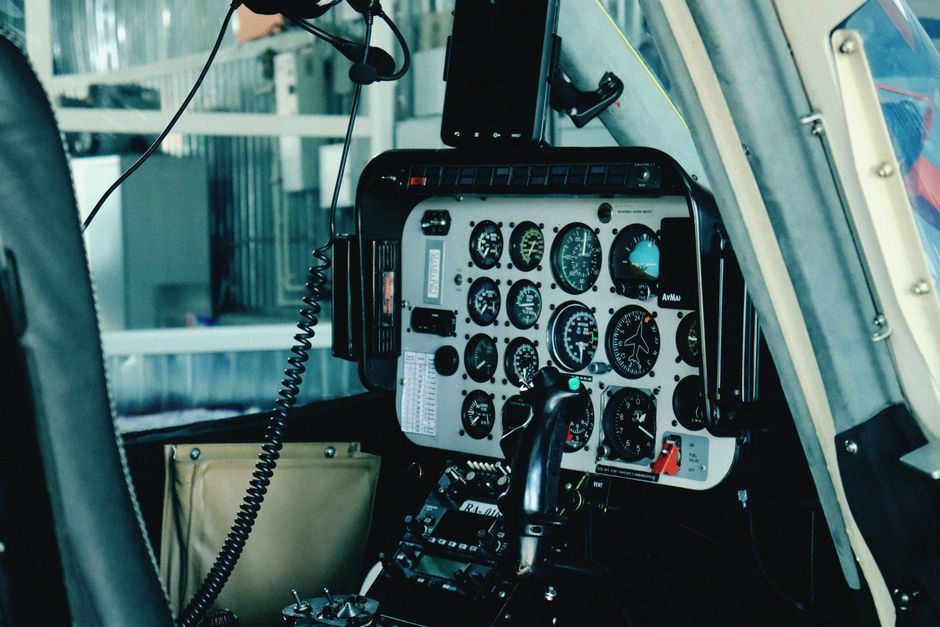
Aviation radio communication for pilots is one of the most intimidating skills a student pilot faces in early flight training — and also one of the most essential. The moment you key the microphone for the first time, everything changes. You are no longer just a person learning to fly; you are an active participant in a shared airspace, responsible for transmitting clear, accurate, and professional position reports that keep every aircraft in the area safe.
At Savannah Aviation, our experienced flight instructors build radio communication confidence into every phase of training from the very first lesson. Call (912) 964-1022 to schedule your introductory lesson and start finding your voice on the frequency.
Many student pilots describe their first radio calls as more nerve-wracking than their first solo. The fear of saying the wrong thing, freezing on frequency, or misunderstanding an ATC instruction is real — but it is entirely conquerable with the right structure and practice. This guide walks you through the fundamentals of pilot radio communication so you can step into the cockpit prepared, not panicked.
Aviation radio communication is not just a procedural formality. It is the primary tool that separates organized, safe airspace from chaos. Every call you make on the radio serves a specific safety function: it tells air traffic control where you are, what you intend to do, and what you need. In return, ATC provides clearances, traffic advisories, and critical safety alerts that you simply cannot get any other way.
In controlled airspace — such as the Class C airspace surrounding Savannah/Hilton Head International Airport — you are legally required to establish two-way radio communication with ATC before entering. Operating without a functioning radio or failing to maintain communication in these environments is a serious regulatory violation that can endanger lives and result in certificate action from the FAA.
Even in uncontrolled airspace where no ATC contact is required, broadcasting your position and intentions on the Common Traffic Advisory Frequency (CTAF) is a critical safety practice. Other pilots at non-towered airports are listening for those calls to build their mental picture of the traffic pattern. Your radio call is what keeps a pattern full of airplanes from becoming a collision statistic.
One of the most helpful things an instructor can teach a new student is that radio calls follow a predictable, repeatable structure. Once you internalize this format, the fear of the radio diminishes rapidly. A well-formed radio call generally contains five elements, in order:
For example, an initial call to a non-towered airport might sound like: "Statesboro Traffic, Cessna One Seven Two, November Four Five Papa Tango, five miles to the north, inbound for landing, Runway One Four, Statesboro." Every element of that call is purposeful, and every pilot in the pattern receives exactly the information they need to fit you into the flow.
Aviation has its own language, and it exists for good reason. Standard phraseology eliminates ambiguity in an environment where a single misunderstood word can have severe consequences. The FAA Aeronautical Information Manual (AIM) is the definitive reference for approved radio phraseology, and your flight instructor will direct you to the specific sections relevant to your training stage.
Key terms every student must know include: roger (message received and understood), wilco (will comply), affirmative (yes), negative (no), say again (please repeat), and standby (wait for further communication). Never use the word "you" — always use the aircraft call sign. Never say "OK" as an acknowledgment of a clearance. These habits separate a professional pilot from an untrained one.
Operating at a towered airport introduces a formal call-and-response dynamic with ATC that many student pilots find daunting. The key to success is preparation. Before you ever key the mic at a busy controlled airport, you should have already listened to the ATIS (Automatic Terminal Information Service) broadcast, noted the active runway, altimeter setting, and weather conditions, and determined exactly what you are going to say.
The typical communication flow at a towered airport follows this sequence:
Readbacks are a critical safety layer. When ATC issues any clearance involving a runway, altitude, squawk code, or frequency change, you must read back the key elements verbatim. ATC will correct you if your readback contains an error — that correction is the system working exactly as designed.
Every pilot — including highly experienced ones — occasionally receives a transmission they did not fully hear or understand. The correct response is always the same: say "Say again" followed by the facility name and your call sign. Do not guess at a clearance you did not fully receive. Do not simply remain silent. Asking ATC to repeat an instruction is not an embarrassment; it is a sign of professional discipline and situational awareness.
If you experience a complete radio failure in flight, squawk 7600 on your transponder. ATC has established light-gun signal procedures for exactly this scenario, and knowing those signals in advance could save your certificate — and your life.
The single most effective way to build radio confidence is through repetition in a low-stakes environment before you ever fly. Many student pilots benefit enormously from listening to live ATC audio through services like LiveATC.net, which streams real transmissions from airports around the country. Listening to how experienced pilots and controllers communicate gives you a mental script to draw from when it is your turn to transmit.
Your flight instructor will also practice radio calls with you on the ground before your lessons, walking through simulated exchanges so the words feel natural before you need them in the air. At Savannah Aviation, we integrate radio communication practice into ground instruction from day one — because the pilot who is fluent on the radio is a safer, more situationally aware pilot in every phase of flight.
As you progress through your flight school training, your radio technique will evolve naturally. Early calls may feel scripted and halting. By the time you complete your solo cross-country requirements, you will be making calls with the calm efficiency of a seasoned pilot. That transformation is one of the most satisfying parts of the journey toward your private pilot certificate.
Understanding what not to do on the radio is just as valuable as knowing the correct procedures. The following are the most common errors that new student pilots make — and how to avoid them:
If you make a radio error — and every student does at some point — simply correct it calmly and professionally. ATC controllers work with student pilots every day. They are trained to help you, not to criticize you. A composed correction is far better than spiraling anxiety that compounds the mistake.
Ready to develop the communication skills that every safe, confident pilot relies on? Contact Savannah Aviation today to schedule your introductory lesson and take the first step toward mastering both the cockpit and the frequency.
Request a personalized discovery flight and experience how professional instruction and careful preparation make learning to fly exciting and rewarding. Our team guides every step to help you build skills safely and confidently.
.webp)




.webp)