Understanding the difference between VFR vs. IFR flight rules is one of the most foundational concepts every student pilot must master before earning any certificate. These two regulatory frameworks govern when, where, and how you fly — and choosing the wrong one, or misunderstanding the requirements of either, can have serious safety and legal consequences in the cockpit.
At Savannah Aviation, our experienced instructors walk every student through the real-world application of both VFR and IFR operations from day one. Call (912) 964-1022 to schedule your introductory lesson and start your aviation journey on the right foundation.
Visual Flight Rules — commonly abbreviated as VFR — are the set of FAA regulations that allow a pilot to operate an aircraft by visual reference to the ground, landmarks, and other aircraft. In simple terms, when you are flying VFR, you are responsible for seeing and avoiding other aircraft, terrain, and obstacles using your own eyes.
To legally fly VFR, certain weather minimums must be met. These minimums vary depending on the class of airspace you are operating in, but the general principle is the same: you need a clear enough sky to maintain visual contact with the world around you. In most controlled airspace, this means at least 3 statute miles of flight visibility and defined cloud clearance distances — for example, staying 500 feet below, 1,000 feet above, and 2,000 feet horizontally from any clouds in Class E airspace.
For new student pilots, VFR is the natural starting point. It allows you to develop situational awareness, practice navigation using landmarks and charts, and build the fundamental stick-and-rudder skills that every safe pilot must have. A large portion of your early flight training hours will be conducted under VFR conditions.
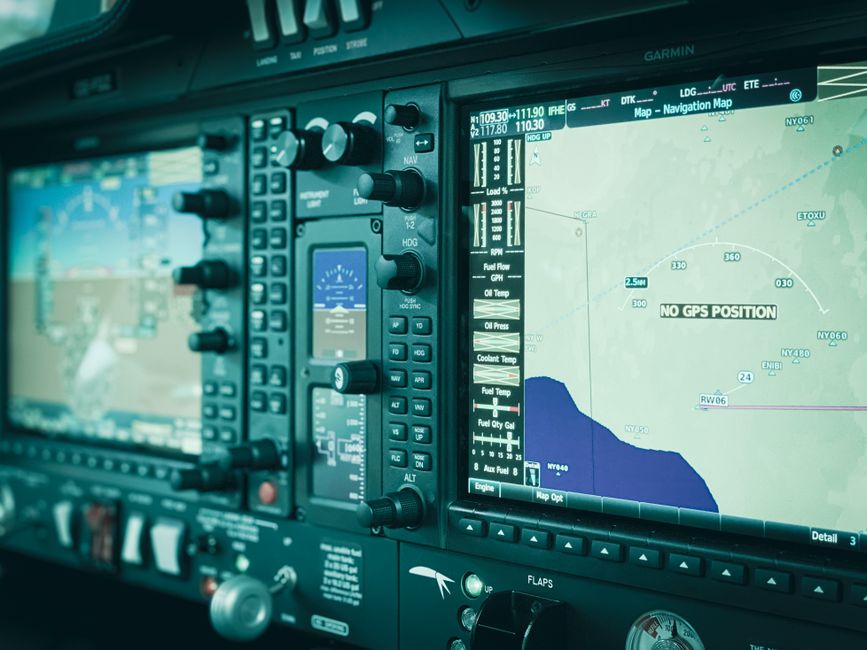
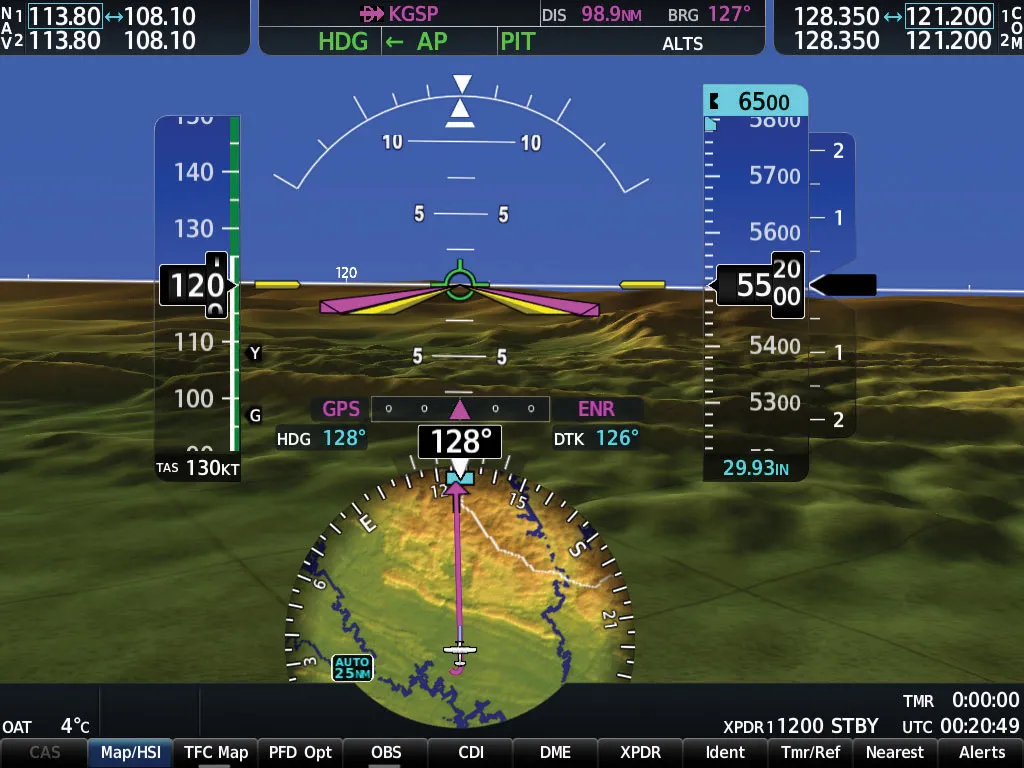
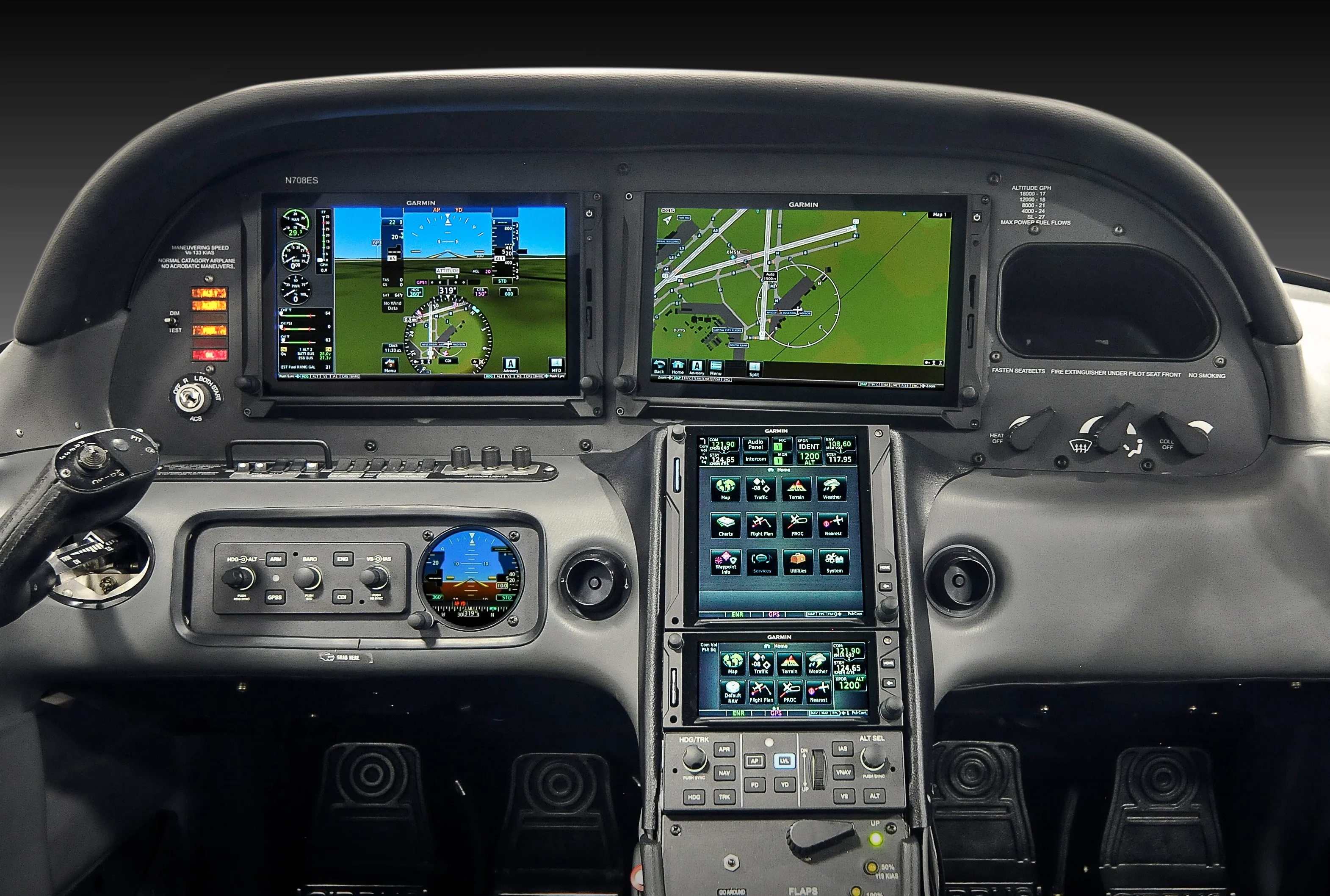
Instrument Flight Rules — IFR — are the regulatory framework that governs flight when visual reference to the outside world cannot be reliably maintained. Rather than relying on what you can see through the windscreen, IFR-rated pilots navigate entirely by reference to cockpit instruments, follow published approach and departure procedures, and operate under the direct coordination of Air Traffic Control (ATC).
Flying IFR opens up an entirely new dimension of aviation capability. Pilots who hold an Instrument Rating can legally fly through clouds, in low-visibility conditions, and into airports that require precision instrument approaches to land safely. This dramatically expands the number of days per year a pilot can fly and the range of missions an aircraft can complete.
Earning an Instrument Rating requires a minimum of 50 hours of cross-country flight time as pilot in command, plus 40 hours of actual or simulated instrument time. It is widely considered one of the most valuable additional certificates a private pilot can pursue, both for safety and for professional career advancement.
While both VFR and IFR are legal and safe ways to conduct flight operations, understanding the practical differences between them is essential for every aviator. The most fundamental distinction is the weather environment each framework is designed for. VFR is built around good visibility and clear skies; IFR is built around operating safely when those conditions are absent.
Beyond weather, there are significant differences in pilot workload, ATC interaction, aircraft equipment requirements, and the level of training required. An IFR flight demands a higher degree of precise instrument scan technique, mental resource management, and procedural discipline than a typical VFR cross-country flight.
Another important distinction is legal responsibility. Under VFR, the pilot in command is solely responsible for maintaining separation from terrain and other aircraft through visual observation. Under IFR within controlled airspace, ATC provides traffic separation services — though the pilot remains responsible for terrain awareness and following all assigned clearances correctly.
Student pilots often encounter the concept of Special VFR (SVFR) — a clearance that allows a VFR-certificated pilot to operate in controlled airspace with less than standard VFR weather minimums, provided the pilot can remain clear of clouds and maintains at least 1 statute mile of flight visibility. SVFR is only available during daylight hours for pilots without an Instrument Rating, and it requires explicit ATC authorization. It is not a workaround for true IMC (Instrument Meteorological Conditions) — it is a narrow exception for transitioning through marginal weather in controlled airspace.
Even if you plan to fly recreationally and never pursue a commercial career, earning your Instrument Rating is one of the most impactful decisions you can make as a pilot. The training process alone — learning to trust your instruments absolutely, flying precise procedures, and communicating effectively with ATC — makes you a significantly safer and more capable aviator in all conditions.
Statistically, VFR flight into Instrument Meteorological Conditions (known as VFR into IMC) remains one of the most dangerous scenarios in general aviation. A pilot without instrument training who inadvertently enters clouds or extremely low visibility faces an extremely challenging situation. The Instrument Rating is the primary defense against this scenario.
At Savannah Aviation, our structured flight training programs are designed to take you from your first solo flight all the way through your Instrument Rating and beyond. Our instructors bring real-world experience to every lesson, ensuring you understand not just the rules, but the reasoning behind them.
Whether you are just beginning to explore aviation or are ready to take the next step toward a commercial pilot certificate, our team is here to guide you every step of the way. Contact us today to learn more about our training programs and how we can help you reach your aviation goals.
Request a personalized discovery flight and experience how professional instruction and careful preparation make learning to fly exciting and rewarding. Our team guides every step to help you build skills safely and confidently.
.webp)






.webp)