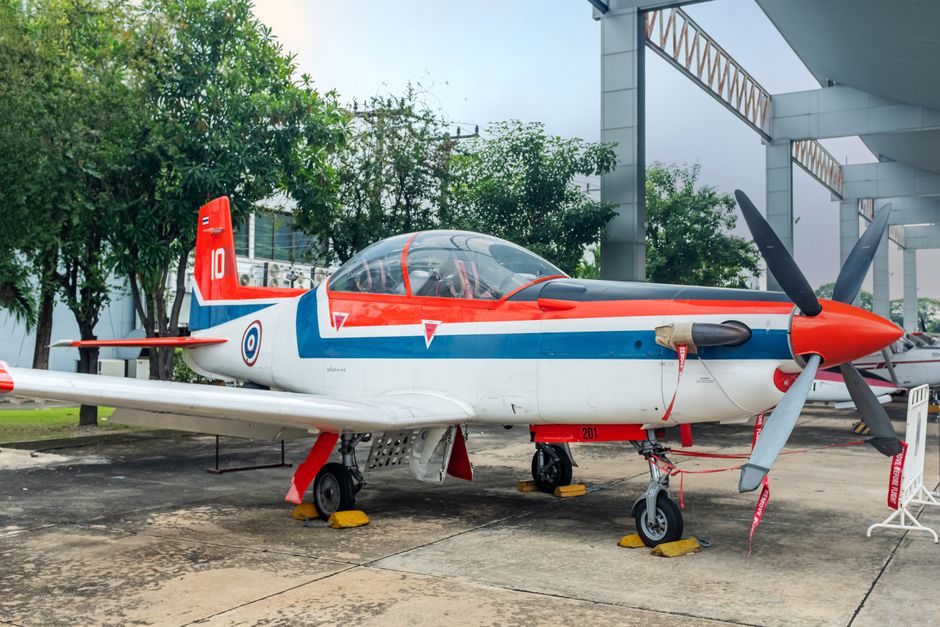
Choosing a training aircraft is one of the most consequential (and most overlooked) decisions a new student pilot makes before starting lessons. It is easy to assume that one trainer is basically the same as another, but the aircraft you fly week after week shapes your total training cost, how quickly you build proficiency, and even how comfortable you feel in the cockpit during those first nerve-wracking hours. Before you commit to a flight school or a specific aircraft, it is worth understanding how different trainer types compare on price, handling, and long-term value.
At Savannah Aviation, our fleet spans several well-established training platforms, and our instructors regularly help prospective students weigh the tradeoffs between them based on budget, schedule, and long-term goals. Call (912) 964-1022 to talk through which aircraft makes the most sense for your situation before you sign up for a training package.
Many prospective pilots focus almost entirely on the hourly wet rental rate when comparing aircraft, but that single number only tells part of the story. Factors like fuel burn, maintenance reliability, avionics complexity, and even how forgiving an airframe is during early landing practice all influence how many hours it will realistically take you to reach checkride standards. This guide breaks down the main categories of training aircraft, what each one generally costs to fly, and how to match an airframe to your training timeline and budget.
Flight training cost is driven by two main variables: the hourly rate of the aircraft and instructor, and the total number of hours needed to reach proficiency. A less expensive aircraft that takes longer to master because it is twitchy or unforgiving on landing may end up costing more in the long run than a slightly pricier aircraft that helps you progress efficiently.
This is why flight schools often steer new students toward simple, stable trainers rather than the cheapest airplane on the ramp. A stable platform with predictable handling characteristics lets you focus on learning fundamentals like airspeed control and radio communication, rather than fighting the airplane itself.
Aircraft in this category are typically the least expensive to rent per hour and burn relatively little fuel. Their simplicity makes them excellent for early maneuver work, though the smaller cabin and lower useful load can limit their appeal for pilots planning to fly with passengers soon after certification.
These aircraft cost somewhat more per hour but offer additional cabin space, often a bit more useful load, and an airframe that many students will continue renting after they earn their certificate. Because they are widely available and well understood by instructors, parts and maintenance support tend to be more consistent.
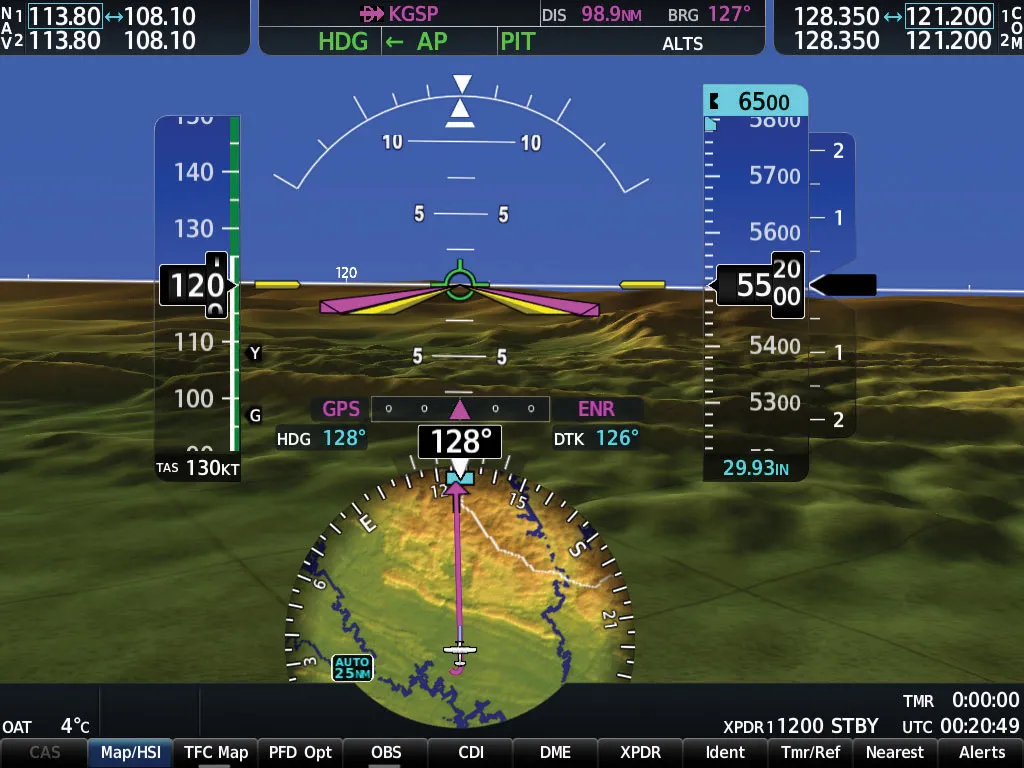
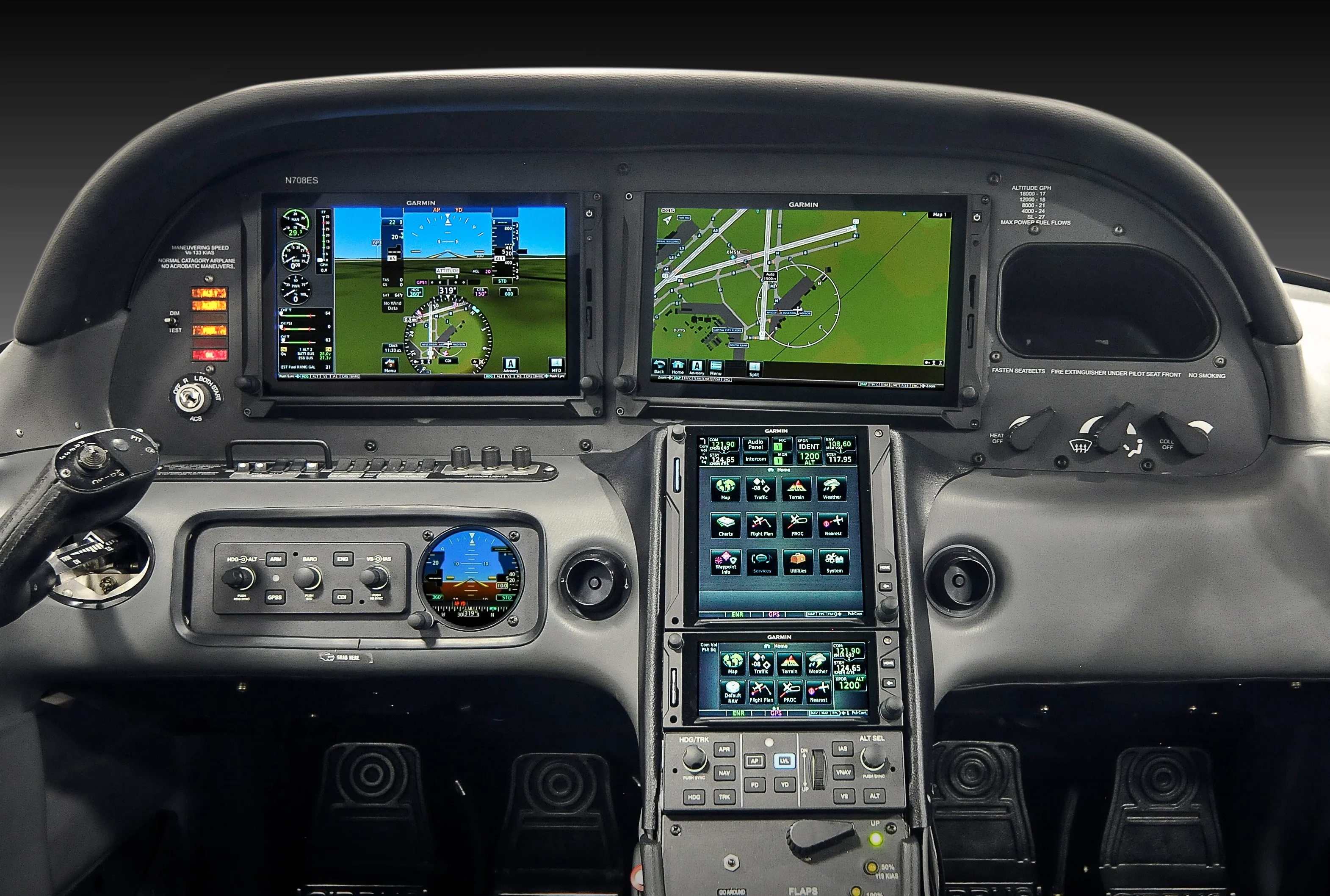
Glass cockpit trainers equipped with modern avionics suites carry a higher hourly rate, but they can shorten the transition to instrument training later and familiarize students with the kind of displays found in many aircraft they may fly professionally. Some students choose to complete private pilot training in a basic trainer, then transition to a technically advanced aircraft for instrument work, which can be a reasonable way to balance upfront cost against long-term familiarity.
If your goal is to finish your private pilot certificate as quickly as possible, consistency matters more than any single aircraft feature. Training in the same airframe from your first lesson through your checkride prep, rather than switching between different makes and models, helps you build muscle memory faster and reduces the number of hours spent relearning small handling differences. Students who are budgeting carefully often benefit from reviewing a detailed private pilot training timeline and cost breakdown before locking in an aircraft choice, since total hours required varies by student and airframe.
It is also worth discussing weight and balance limitations with your instructor before you commit to an aircraft, particularly if you are a larger-framed student or plan to train alongside a heavier flight bag and fuel load. Every aircraft has different useful load figures, and understanding how weight and balance calculations affect every flight can help you avoid surprises when you start planning solo cross-country flights later in training.
Not every student pays for training hour by hour out of pocket. Some finance a block of training time upfront, others join a flying club, and some explore financing arrangements that spread costs over a longer period. Reviewing available flight training financing options before you begin can help you understand what a monthly commitment looks like for different aircraft categories, since a slightly higher hourly rate on a more efficient trainer may still fit comfortably within a financed plan.
Whichever route you choose, it helps to sit down with an instructor early and map out realistic hour estimates for the aircraft you are considering, rather than assuming the published minimum FAA hour requirements will apply to your specific situation.
Before signing a training agreement, ask about the aircraft's maintenance history and dispatch reliability, since a trainer that is frequently down for maintenance can stretch your training timeline regardless of its hourly rate. Ask whether checkride preparation and the practical test itself will take place in the same aircraft you have been training in, since switching airframes right before a checkride can introduce unnecessary variables. Finally, ask your instructor how the aircraft's handling characteristics, especially in crosswinds and during the landing flare, compare to other options in the fleet, since this can meaningfully affect how quickly you become comfortable soloing.
Choosing a training aircraft is not simply about finding the lowest hourly number on a rate sheet. It is about matching an airframe's handling, avionics, and availability to your budget, schedule, and long-term flying goals. Taking the time to compare options before you begin, ideally with input from an experienced instructor, can save both money and frustration over the course of your training.
If you are ready to compare trainer options in person, our team can walk you through the fleet and help you decide which aircraft fits your goals. Explore our flight school programs to see current training packages and available aircraft.
Request a personalized discovery flight and experience how professional instruction and careful preparation make learning to fly exciting and rewarding. Our team guides every step to help you build skills safely and confidently.
.webp)




.webp)