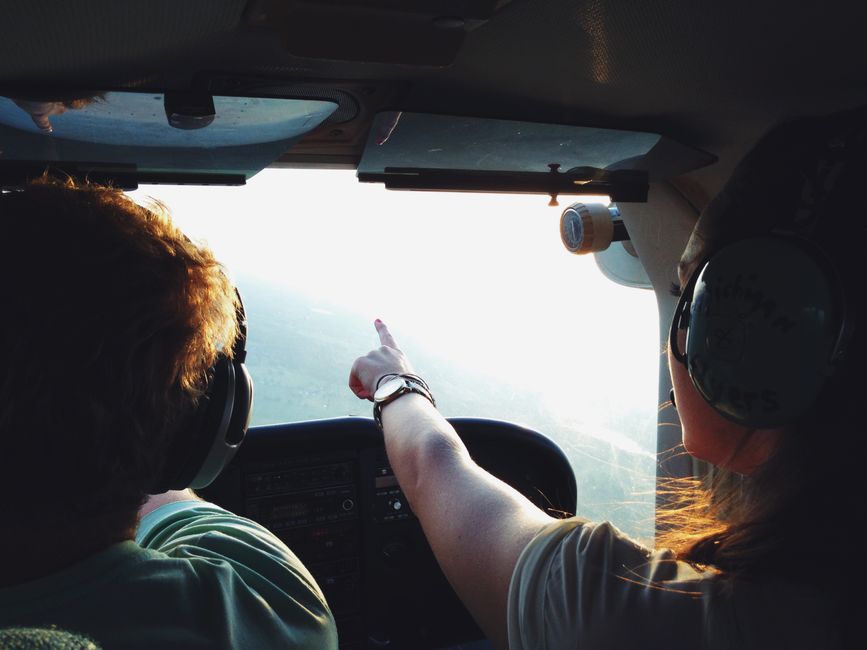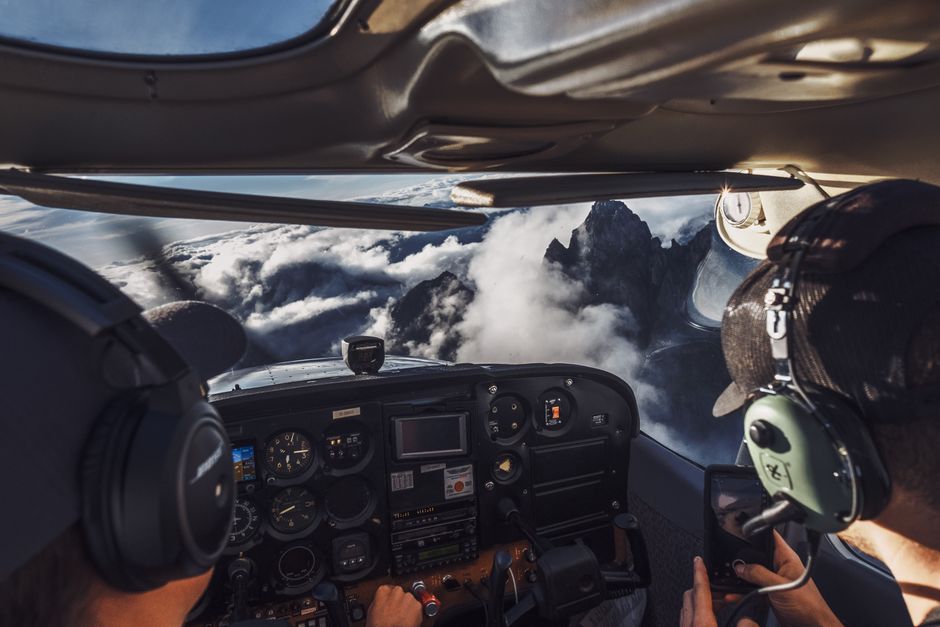
There is no fixed number of landings the FAA requires before your first solo flight, and that surprises a lot of student pilots who show up expecting a checklist with a magic count on it. What actually determines solo readiness is consistency: can you land the airplane safely, on your own, on a normal day, without your instructor needing to touch the controls or talk you through it? For most students, that consistency shows up somewhere between 15 and 25 landings in the traffic pattern, though the real number depends on the student, the aircraft, and the airport environment.
If you are counting landings and comparing yourself to a classmate who soloed after 12 attempts while you are still working through your 20th, this article will walk you through what instructors are actually evaluating, why the count varies so much, and how to read the signs that you are getting close.
No. 14 CFR Part 61 does not specify a landing count for solo endorsement. It requires that your instructor certify you have received the required training in your logbook, passed a pre-solo written test, and demonstrated the maneuvers and procedures of 61.87 to a satisfactory standard. The regulation is written around demonstrated proficiency, not repetitions.
That is why two students at the same flight school, flying the same aircraft, can solo after very different numbers of landings. One student might arrive with prior experience in a flight simulator or a background that builds stick-and-rudder feel faster. Another might need more pattern work simply because they started later in life or fly less frequently between lessons. Neither pace says anything about whether someone will become a good pilot.
Your instructor is not counting landings. They are watching for a specific pattern of behavior: are your landings becoming predictable and repeatable? A safe solo candidate produces landings that are consistent, stabilized, and free of last-second corrections that only work because the instructor is sitting there ready to help.
By solo standards, you should be able to fly a stabilized approach at the correct airspeed within a few knots, on a consistent glidepath, without your instructor prompting you to add power or pitch for airspeed. Wandering airspeed on final is one of the most common reasons instructors delay a solo endorsement.
Just as important as flying a good approach is recognizing a bad one and going around. Instructors want to see that you will make the call to go around on your own, before things get unsafe, rather than trying to salvage a landing that should be abandoned.
Keeping the airplane tracking the centerline after touchdown, especially with a bit of crosswind, tells your instructor you can handle the airplane after the excitement of the flare is over. This is often the last piece that clicks for students right before solo.
Your instructor is also quietly assessing whether you can talk on the radio, watch for traffic, and fly the pattern without being so task-saturated that landing quality falls apart. If every landing is fine only when the radio is quiet, that is useful information for them.
The honest answer is that landings are a proxy for judgment and muscle memory, and both develop at different speeds for different people. A student flying twice a week will typically solo in fewer total landings than a student flying once every two weeks, simply because less is forgotten between lessons. Aircraft type matters too: a docile trainer with forgiving stall characteristics and predictable control response often gets a student to solo standard faster than an aircraft with a narrower margin for error.
Airport environment plays a role as well. A student training at a quiet non-towered field with one runway will often reach solo standard in fewer landings than a student learning at a busier towered airport, because there is less going on to manage on top of the actual landing. None of this means one path is better. It means the landing count is a symptom, not the goal.
In the sessions leading up to solo, your instructor will typically start doing less. They will stop offering the same verbal cues on final, let you catch your own airspeed drift, and see whether you correct it before they have to. Some instructors will deliberately stay quiet through an entire pattern to see what you do without prompting. If you handle it well, they may get out of the airplane at the runway and send you around the pattern alone.
Before that happens, you will also complete the pre-solo written exam required by 61.87, which covers the aircraft's operating limitations, local airport procedures, and relevant airspace. This is often finished a lesson or two before the actual solo flight, once your instructor is confident your landings are trending in the right direction.
You are close when your landings stop requiring instructor input and start requiring instructor silence. If your instructor's hands and feet have been staying off the controls for several landings in a row, if they are asking you fewer questions and making fewer corrections, and if a go-around from a bad approach feels like a normal decision rather than a last resort, you are likely near the point where they will start talking to you about scheduling a solo.
It also helps to talk directly with your instructor about where you stand rather than guessing from the outside. Ask specifically what they want to see improve. A good instructor will give you a concrete answer, whether that is smoother flare timing, better centerline tracking, or simply more reps to build consistency, rather than a vague "just keep practicing."
Getting to solo standard faster usually comes down to focused practice rather than raw flight hours. Flying more frequently, even in short sessions, helps retain the muscle memory between lessons. Debriefing every landing with your instructor, including what your sight picture looked like and where your eyes were on final, turns each pattern lap into a more deliberate learning rep instead of a repetition you hope goes better next time.
If you are still early in training and want a sense of the full timeline from your first lesson through your private pilot certificate, including where solo typically falls in that sequence, our guide on the private pilot license timeline and costs lays out the milestones in order. And if your pattern work still feels inconsistent heading into a lesson, reviewing the fundamentals in our guide to the traffic pattern can help tie your approach, radio calls, and landing sequence together before you fly.
Every student reaches solo on their own timeline. The count that matters is not how many landings you have logged, but how many of your recent ones your instructor did not have to help with. When you're ready to start building that consistency yourself, our flight school programs pair you with instructors who track your progress lesson to lesson toward that first solo milestone.
Ready to see where you stand on the path to solo? Get in touch to schedule a lesson and talk through your training timeline with an instructor.
Request a personalized discovery flight and experience how professional instruction and careful preparation make learning to fly exciting and rewarding. Our team guides every step to help you build skills safely and confidently.
.webp)





.webp)