Most student pilots ask this question before they ever set foot in a cockpit: how many flight hours does it actually take to earn a private pilot license? The FAA sets a legal minimum, but almost nobody finishes at that number. The honest answer is a range, and the size of that range depends on a handful of factors you can actually influence.
This isn't a rehash of certificate requirements or a checkride prep list. It's a breakdown of the hour math itself: what the regulations require, what students actually log in practice, and which variables push your total up or down.
The FAA minimum is 40 total flight hours under Part 61, or 35 hours if you train at a Part 141 school. Those minimums include specific splits between dual instruction and solo time, plus required cross-country, night, and instrument time.
Under Part 61, the 40-hour minimum breaks down roughly into 20 hours of flight training with an instructor and 10 hours of solo flight, with the remainder allocated to meeting cross-country, night, and maneuver requirements. Part 141 programs, which follow an FAA-approved structured syllabus, can legally certify a student at 35 hours because the curriculum is standardized and audited. Neither number is a target to aim for. Both are floors, not averages.
The 40 and 35 hour figures assume a student who masters every maneuver on close to the first attempt, flies frequently enough to retain skills between lessons, and never loses training days to weather or aircraft maintenance. In practice, very few students fit that profile, which is why national averages run well above the regulatory floor.
Many student pilots log somewhere in the range of 55 to 75 total hours before taking their checkride, well above the FAA minimum. This is not a sign of failure. It reflects normal skill acquisition, scheduling reality, and the fact that flying is a physical skill that needs repetition to become automatic.
Flight schools that advertise "finish in 40 hours" are describing the legal floor, not a typical outcome. A more useful way to think about your own timeline is to expect the FAA minimum to be the start of the conversation with your instructor, not the finish line. Maneuvers like stall recovery and landings are usually where a student's actual hour count separates from the textbook number, since both require repeated exposure before they become automatic responses rather than deliberate ones.
Your total hours are driven mainly by training frequency, weather and aircraft availability, how quickly you absorb individual maneuvers, and whether you train under Part 61 or Part 141. Each of these can add or subtract meaningfully from your final number.
Students who fly two to three times per week tend to finish closer to the lower end of the range because skills stay fresh between lessons. Students who fly once a week or less often need extra hours simply to re-establish proficiency they lost during the gap, since maneuvers like slow flight and landings degrade quickly without regular practice.
Coastal and southeastern flight schools, including programs based near Savannah, deal with summer convective weather and periodic low ceilings that can cancel lessons on short notice. Shared aircraft fleets can also create scheduling gaps. Both extend the calendar timeline even when they don't add many extra flight hours, and both can indirectly increase hours if long gaps force review flights.
Some maneuvers, particularly landings, take longer for some students to solidify than others. This has little to do with aptitude and a lot to do with prior experience, natural feel for the airplane, and how much ground study a student does between lessons. An instructor who identifies a specific sticking point early, such as rounding out too high in the flare, can often resolve it in a few focused flights rather than letting it quietly add hours over months.
Part 141 programs follow a fixed, FAA-approved syllabus with stage checks built in, which can produce a more predictable hour count. Part 61 training is more flexible and can be tailored to a student's schedule and pace, which suits working adults and part-time students but doesn't carry the same built-in structure. Neither path is inherently faster in real-world terms. The structure mainly affects predictability, not raw speed.
Yes, but it requires a specific combination of consistent scheduling, strong ground preparation, and minimal weather disruption. Students who fly frequently, chair-fly maneuvers between lessons, and start training during a stable weather season are the ones most likely to land near the lower end of the hour range.
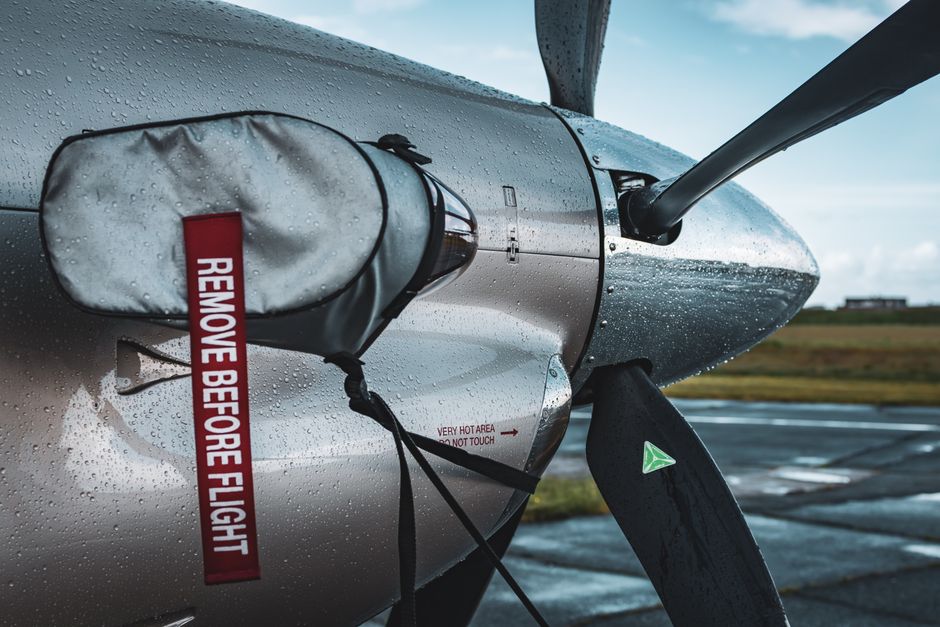
The single biggest lever most students control is frequency. Committing to two or three flights a week, and protecting that schedule against cancellations, does more to compress your total hours than any other factor on this list. Strong preflight habits also matter here: a thorough preflight inspection routine catches small mechanical or scheduling issues before they turn into a cancelled lesson and a lost training day.
Budgeting around a range, rather than a single hour figure, protects you from the frustration of a moving target. Ask your flight school for their average hours to certificate, not just the FAA minimum, and build your financial and schedule expectations around that number instead.
If you're still comparing programs, it's worth reviewing how private pilot license timelines and costs typically break down before you commit to a schedule, since hours and calendar time don't always move together. It also helps to understand flight training currency and recency requirements, since long breaks between lessons are one of the quieter reasons hour totals climb.
If you want a clearer sense of what your own hour range might look like, the best next step is a conversation with an instructor who can assess your schedule and goals directly. Get in touch with our flight school to talk through a training plan built around your availability, not a generic number.
Request a personalized discovery flight and experience how professional instruction and careful preparation make learning to fly exciting and rewarding. Our team guides every step to help you build skills safely and confidently.
.webp)






.webp)