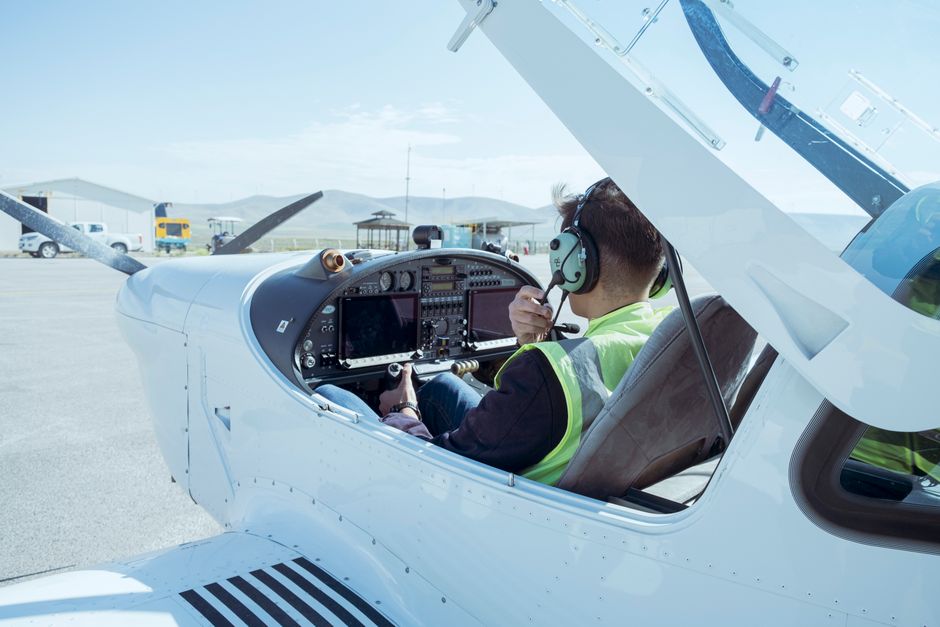
In the modern era of aviation, technical skill alone is no longer the sole benchmark of a successful pilot. Crew resource management has emerged as the definitive standard for ensuring safety in the cockpit and throughout the cabin. This discipline focuses on the human factors that can influence the outcome of every single flight mission, which is why many aspiring aviators begin by exploring professional aviation training programs that emphasize both technical and interpersonal competencies.
Historically, aviation accidents were often blamed on mechanical failure or a single pilot error. However, research conducted in the late 1970s revealed that many tragedies were actually the result of poor communication and team dynamics. This realization led to the birth of a systematic approach designed to leverage every available resource effectively.
At its core, crew resource management is the effective use of all available resources to achieve safe and efficient flight operations. These resources include not only the human crew members but also the hardware, information, and procedures at hand. It is a comprehensive system of applying human factors concepts to improve performance.
The philosophy behind this training is rooted in the understanding that humans are naturally prone to making mistakes. By creating a structured environment where errors are trapped and mitigated, the aviation industry has achieved an unprecedented level of safety. It is a collaborative effort that involves everyone from the cockpit to the ground.
Clear and concise communication is the backbone of any high performing flight team. In the high pressure environment of a cockpit, there is no room for ambiguity or unconfirmed instructions. Crew resource management teaches pilots to use standardized phraseology and closed loop communication techniques to ensure that every message is received.
Active listening is equally important in this process to prevent misunderstandings before they escalate. Pilots must be willing to ask for clarification and provide feedback to their colleagues in real time. This open exchange of information creates a shared mental model, ensuring that everyone on the team is working toward the same goal.
Effective leadership in the cockpit involves more than just giving orders to subordinates. A good leader encourages input from all crew members and fosters an environment where concerns can be voiced without fear of reprisal. This approach breaks down traditional hierarchies that once prevented junior officers from speaking up during emergencies.
Followership is the counterpart to leadership and is just as critical for safe flight operations. Crew members must be assertive enough to challenge a decision if they believe it compromises safety. This balance ensures that the best information is used to make decisions, regardless of who originally provided the data.
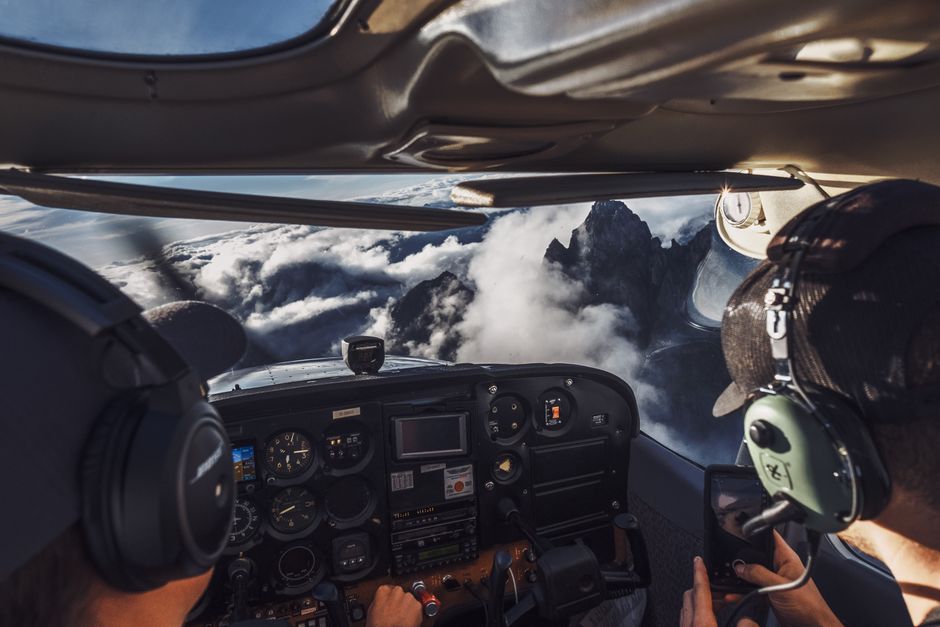
Situational awareness is the accurate perception of the factors and conditions that affect the aircraft and its crew. It involves knowing where the plane is, where it is going, and what potential threats are looming on the horizon. Crew resource management provides the tools needed to maintain this vigilance throughout the flight.
When situational awareness is lost, the risk of an accident increases dramatically. Pilots must continuously monitor their instruments and the external environment while managing their internal workload. By sharing observations with the rest of the crew, a pilot can verify that their understanding of the situation is actually correct.
Communication: This involves the clear exchange of information and the use of active listening to ensure total understanding among all team members.
Situational Awareness: Pilots must maintain a high level of perception regarding their environment and the current status of the aircraft at all times.
Problem Solving: This is the ability to identify issues early and utilize all available resources to find a safe and effective solution quickly.
Decision Making: Teams must work together to evaluate options and choose the best course of action under pressure during critical flight phases.
Aviation is a demanding profession that requires high levels of concentration, especially during takeoff and landing. Crew resource management addresses the dangers of task saturation by emphasizing proper workload management and task allocation. By dividing responsibilities, the crew can ensure that no single person becomes overwhelmed by the demands.
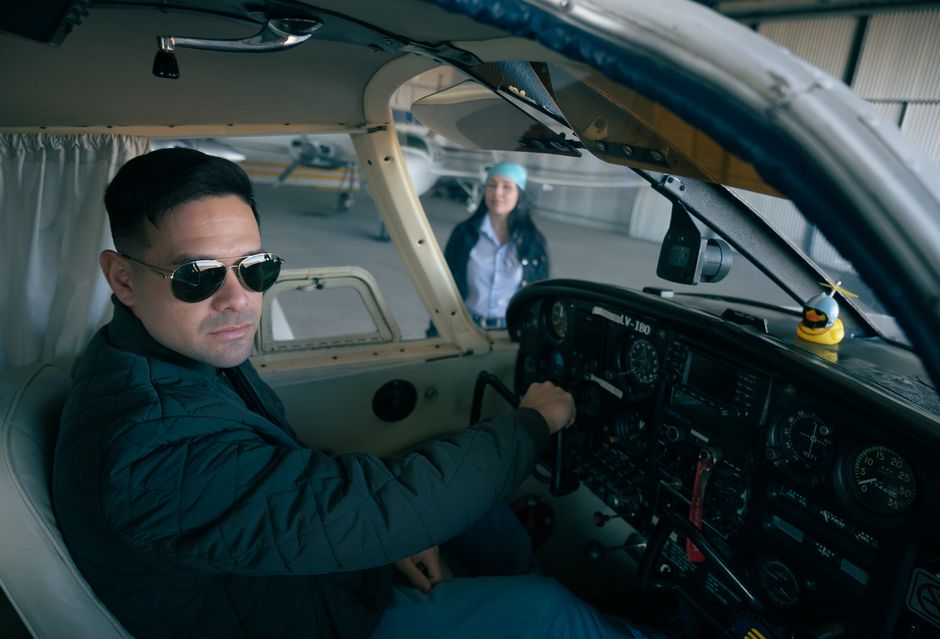
Effective task sharing allows the pilot flying to focus on the primary job of controlling the aircraft. Meanwhile, the pilot monitoring can handle communications, checklists, and navigation duties. This synergy prevents critical steps from being missed and ensures that the aircraft is always being actively managed by a competent professional.
Decisions made in the cockpit often have significant consequences for the safety of the passengers and the crew. Crew resource management provides a structured framework for evaluating risks and choosing the best path forward. This process involves gathering information, considering alternatives, and then acting decisively based on the available data.
Collaborative decision making is a key tenet of this approach, as it leverages the collective experience of the entire team. By discussing options openly, the crew can identify potential pitfalls that an individual might have overlooked. This collective wisdom is a powerful tool for navigating complex and dynamic flight environments safely.
The modern approach to crew resource management recognizes that errors are an inevitable part of human performance. Rather than focusing on perfection, the goal is to develop strategies to avoid, trap, and mitigate these errors. This proactive mindset is often referred to as Threat and Error Management or TEM.
Threats can come from many sources, including weather, mechanical issues, or air traffic control delays. By identifying these threats early, the crew can develop a plan to manage them before they lead to an error. This layers of defense approach is what makes the global aviation system so resilient and reliable.
Self Awareness: Pilots are trained to recognize the signs of stress and fatigue in themselves and their colleagues to prevent performance degradation.
Support Systems: Implementing a Just Culture encourages crew members to report fatigue or stress without fear of being punished by their employer.
Rest Protocols: Adhering to strict rest requirements ensures that every crew member is physically and mentally prepared for the rigors of the upcoming flight.
Mitigation Techniques: Using checklists and standard operating procedures provides a safety net during times when cognitive function might be reduced by high stress.
Standard Operating Procedures, or SOPs, are the foundation upon which effective crew resource management is built. These procedures provide a clear and predictable way for the crew to interact and operate the aircraft. When everyone follows the same set of rules, the chance of a misunderstanding or an error is greatly reduced.
SOPs are especially important during non standard or emergency situations where time is a critical factor. By following a predetermined checklist, the crew can manage the situation calmly and efficiently. This disciplined approach ensures that the basics are covered, allowing the team to focus on the specific problem.
Training for crew resource management often takes place in high fidelity flight simulators. These environments allow crews to practice their communication and decision making skills in a safe and controlled setting. Instructors can recreate rare but critical scenarios that require perfect coordination to achieve a successful outcome, often complemented by a hands-on introductory flight experience that brings classroom concepts into real-world context.
Video and audio feedback during these sessions allow pilots to see and hear how they performed as a team. This self reflection is a powerful way to identify areas for improvement and reinforce positive behaviors. The simulator is where the theory of CRM is transformed into the practical skills used in the sky.
While originally developed for pilots, the principles of crew resource management have been expanded to include all aviation personnel. This includes cabin crews, maintenance technicians, and air traffic controllers. When the entire system speaks the same language of safety, the overall risk to the operation is significantly lowered.
Maintenance CRM focuses on the human factors that can lead to mechanical errors during the repair process. Cabin crew CRM emphasizes the importance of coordination between the front and back of the aircraft during an emergency. This holistic approach ensures that safety is a shared responsibility across the entire organization.
A Just Culture is an environment where people are encouraged to report their mistakes and safety concerns openly. This transparency is vital for crew resource management because it allows the industry to learn from errors rather than just punishing the person who made them. It fosters a sense of trust and shared purpose.
In a Just Culture, the focus is on understanding why an error occurred and how the system can be improved to prevent it from happening again. This data driven approach to safety has been a major contributor to the decline in aviation accident rates over the last few decades. It empowers every employee to be a safety advocate.
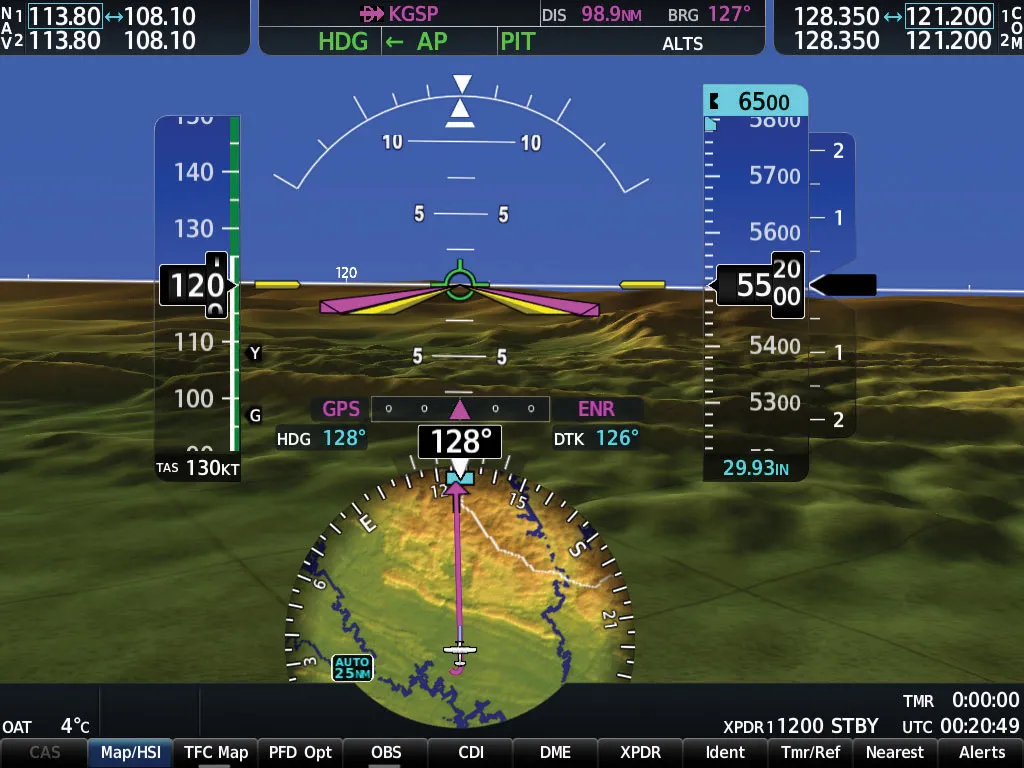
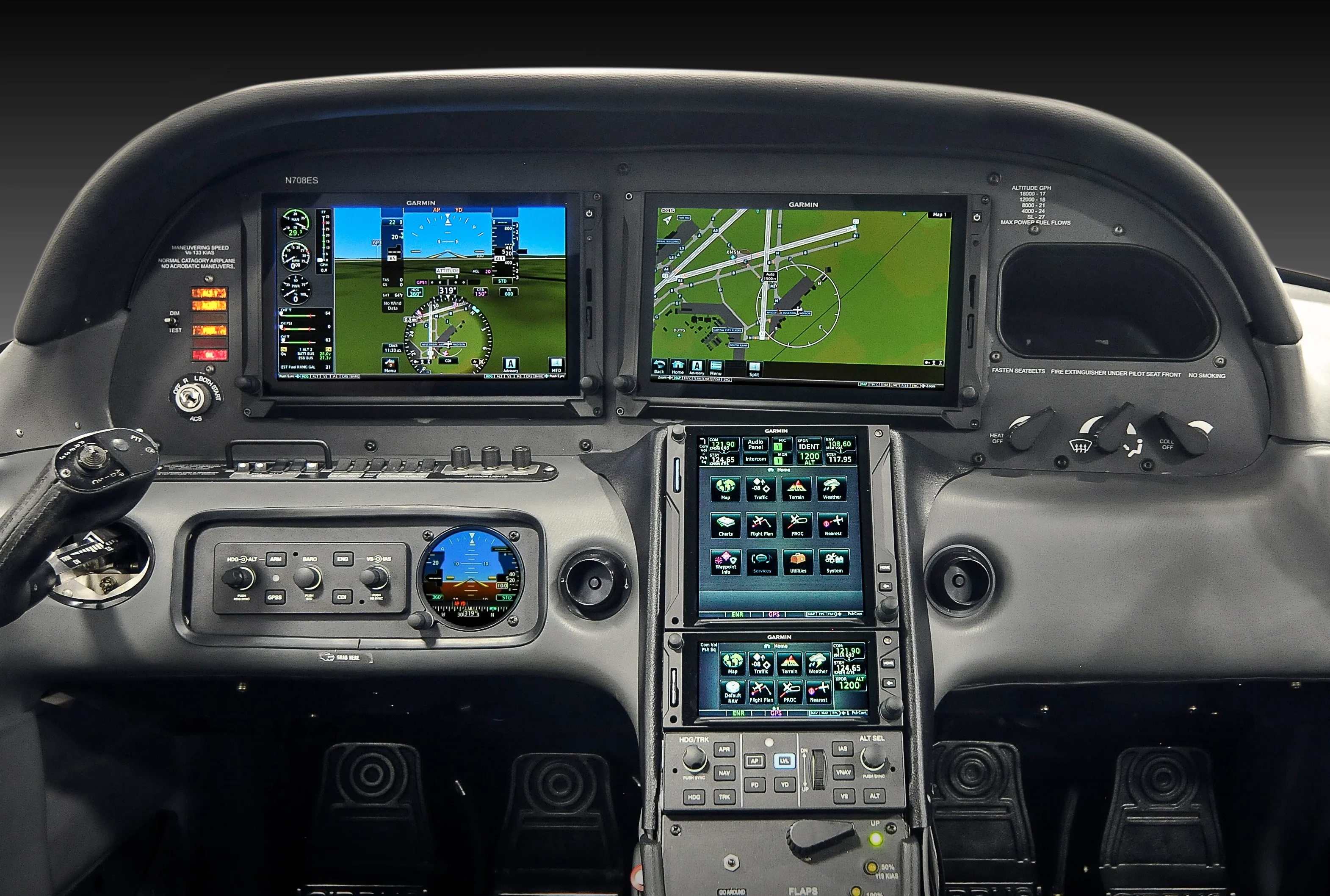
As cockpits become more automated, the nature of crew resource management is evolving. Pilots must now manage not only each other but also the complex computer systems that fly the aircraft. Understanding what the automation is doing and why is a critical part of maintaining situational awareness in modern planes.
The 1600 hours of experience a pilot might have in the air must now include a deep understanding of digital systems. Future CRM training will likely focus more on the human machine interface and how to catch errors in automated processes. Regardless of the technology, the core principles of teamwork and communication will always remain relevant.
Mastering the technical and non technical aspects of flight is a lifelong pursuit for dedicated aviators. Understanding how to work effectively as part of a team is the key to a long and successful career in the skies. Our team at Savannah Aviation is committed to helping you develop the skills needed to operate at the highest level of professionalism, supported by comprehensive safety practices and certified aircraft maintenance services that keep training fleets operating reliably.
If you are ready to enhance your understanding of crew resource management and refine your pilot skills, reach out to Savannah Aviation at (912) 662-5048. We provide the expertise and training environment you need to excel in today's demanding aviation industry. For more information on our programs and services, you can also contact us via phone.
Request a personalized discovery flight and experience how professional instruction and careful preparation make learning to fly exciting and rewarding. Our team guides every step to help you build skills safely and confidently.
.webp)






.webp)