Understanding the principles of flying is the first step for any aspiring pilot or aviation enthusiast. It involves a fascinating blend of physics, geometry, and environmental science that allows a heavy machine to leave the ground. By mastering these concepts through professional flight training programs, you gain a deeper appreciation for the grace and complexity of every aircraft.
The journey into flight begins with a curiosity about how air interacts with solid surfaces. This interaction is not random but follows strict laws of nature that have been studied for centuries. When you step into a cockpit, you are applying these timeless rules to navigate the sky with precision and safety.
Every aircraft in motion is subject to four primary forces that dictate its behavior in the sky. These forces are lift, weight, thrust, and drag, and they work in constant opposition to one another. Achieving a state of equilibrium between these elements is what allows for steady, level flight during your journey.
Lift is the upward force created by the wings, while weight is the downward pull of gravity. Thrust is the forward motion produced by the engine, which must overcome the backward pull of drag. Understanding how these four forces interact is essential for anyone who wants to master the core principles of flying.
Lift is perhaps the most magical aspect of aviation, yet it is grounded in fluid dynamics. Most modern wings use a specific shape known as an airfoil to manipulate air pressure. As the aircraft moves forward, air flows faster over the curved top surface than it does under the flat bottom.
This difference in speed creates a pressure differential, resulting in a net upward force that lifts the plane. Pilots can control the amount of lift by changing the angle of attack or the airspeed. This delicate balance is a central pillar in the broader study of the principles of flying today.
Weight is the force that acts vertically downward toward the center of the earth. It includes the aircraft itself, the fuel, the passengers, and all the cargo on board. Gravity is a constant factor that pilots must always account for when calculating their takeoff and landing performance in various conditions.
As fuel is consumed during a long flight, the total weight of the aircraft decreases. This change requires the pilot to adjust the other forces to maintain a steady altitude. Managing weight effectively is a critical skill that ensures the aircraft remains within its safe operating limits at all times.
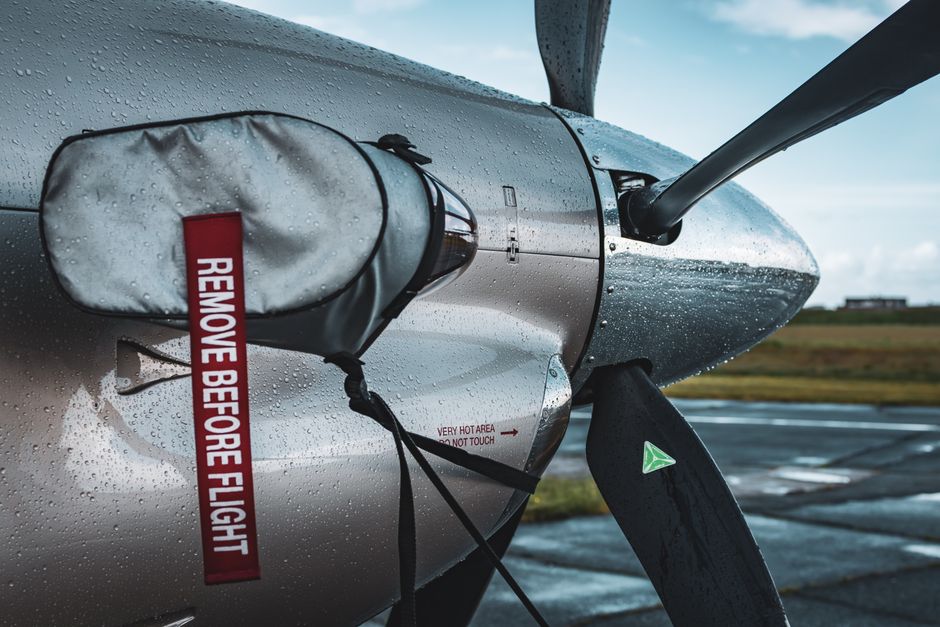
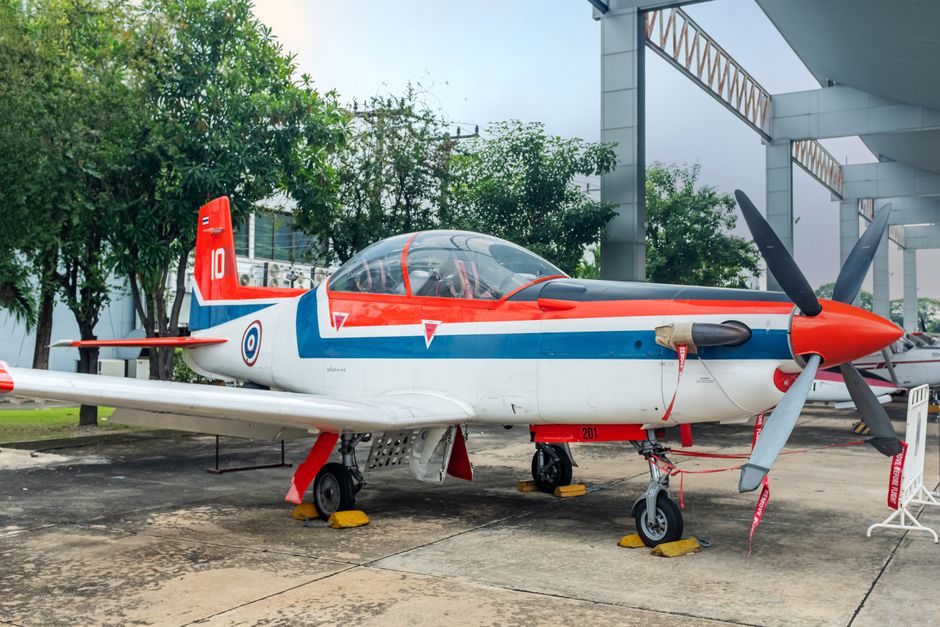
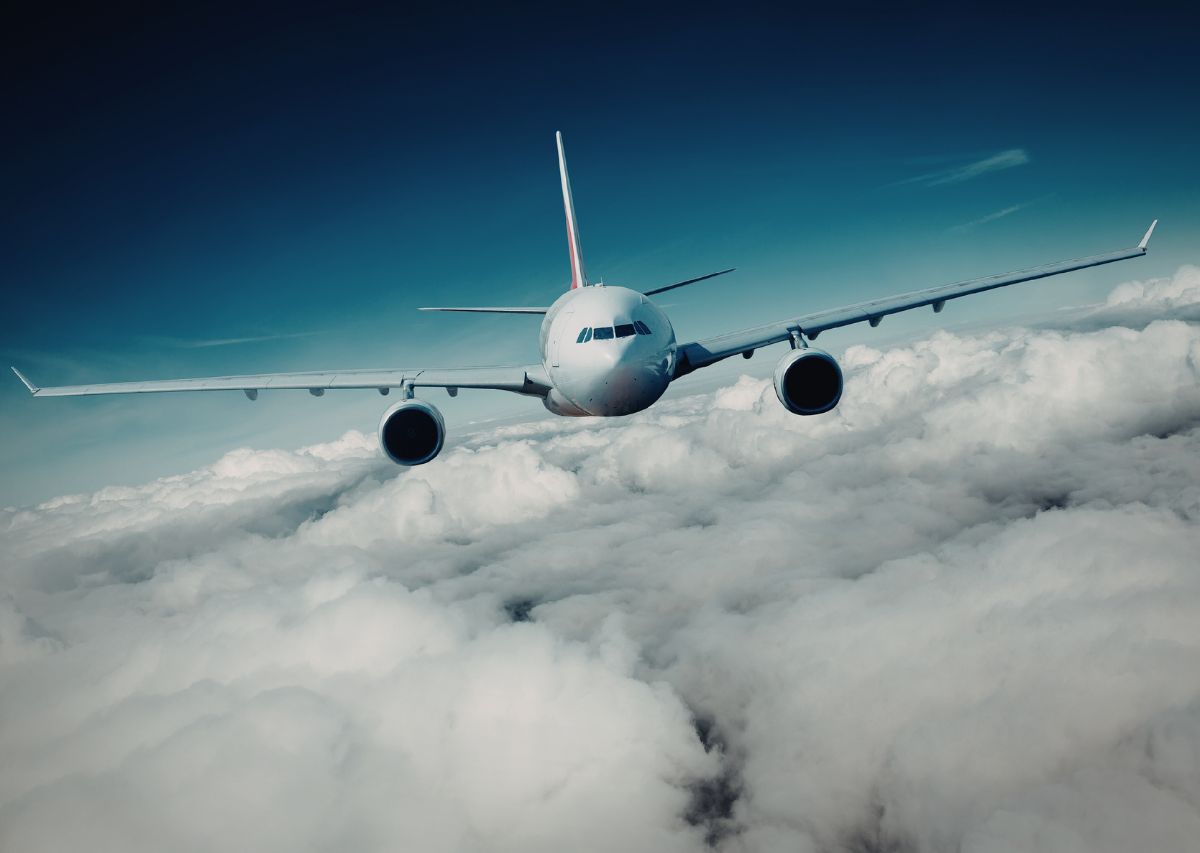
Thrust is the forward force produced by a propeller or a jet engine. This force is necessary to accelerate the airplane and to maintain a constant speed against the resistance of the air. Without sufficient thrust, an aircraft cannot generate enough airflow over the wings to produce the required lift.
Different types of engines provide varying levels of thrust based on their design and altitude. For example, a Cessna 590 or similar light aircraft relies on a piston engine to turn a propeller. Regardless of the engine type, the goal remains the same: creating enough forward momentum to fly.
Drag is the resistance an aircraft experiences as it moves through the air. It acts in the opposite direction of the flight path and serves as a natural brake on the airplane. There are two main types of drag: parasite drag from the airframe and induced drag from lift.
Minimizing drag is a primary goal of aircraft design, which is why planes are built with sleek, aerodynamic shapes. Pilots must understand how drag increases with speed to manage their fuel consumption and flight efficiency. This knowledge is a practical application of the core principles of flying in real time.
Ailerons are located on the rear edge of the wings and control the rolling motion of the aircraft. By moving them in opposite directions, the pilot can tilt the wings to initiate a turn or maintain level flight in turbulent conditions.
The elevator is attached to the horizontal stabilizer at the tail and controls the pitch of the airplane. Moving the elevator up or down changes the angle of attack, allowing the aircraft to climb toward the clouds or descend.
The rudder is the movable part of the vertical tail and controls the yawing motion of the plane. It is primarily used to coordinate turns and maintain a straight path during takeoff and landing maneuvers on the runway.
Flaps are used to increase both lift and drag during the slower phases of flight like approach and landing. They allow the pilot to fly at a steeper angle without increasing airspeed, providing better control.
Air density plays a significant role in how well an aircraft performs during its mission. Thinner air at higher altitudes or on very hot days provides less lift and reduces engine performance. Pilots must use specialized charts to calculate their performance based on the current local atmospheric conditions.
When air density is low, a longer runway is typically required for takeoff because the wings need more speed to generate lift. This concept, often referred to as density altitude, is a vital part of the principles of flying. Safety depends on respecting these environmental variables before every single takeoff.
Stability is the tendency of an aircraft to return to its original flight path after being disturbed. An airplane must be designed with enough stability to be safe but enough maneuverability to be useful. This balance is largely determined by the location of the center of gravity.
If the plane is loaded too far forward or too far aft, it can become difficult or even impossible to control. Pilots carefully calculate the weight and balance for every trip to ensure the center of gravity remains within limits. This discipline is fundamental to the safe principles of flying.
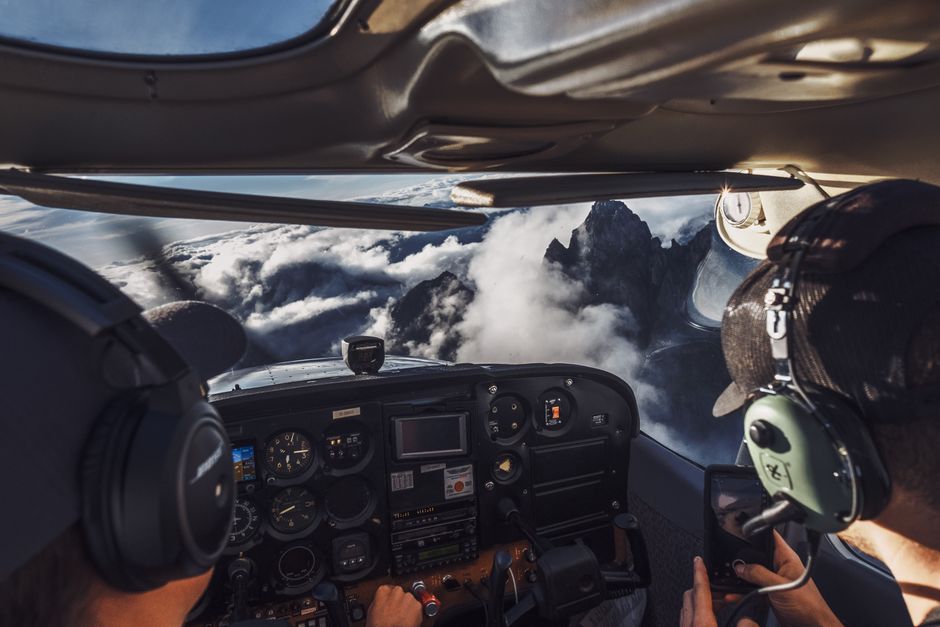
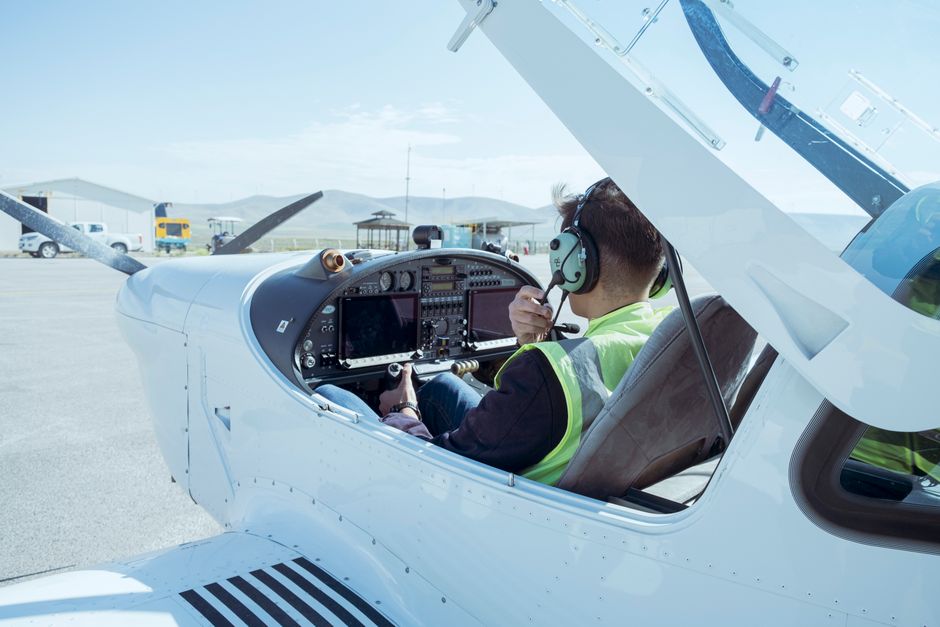
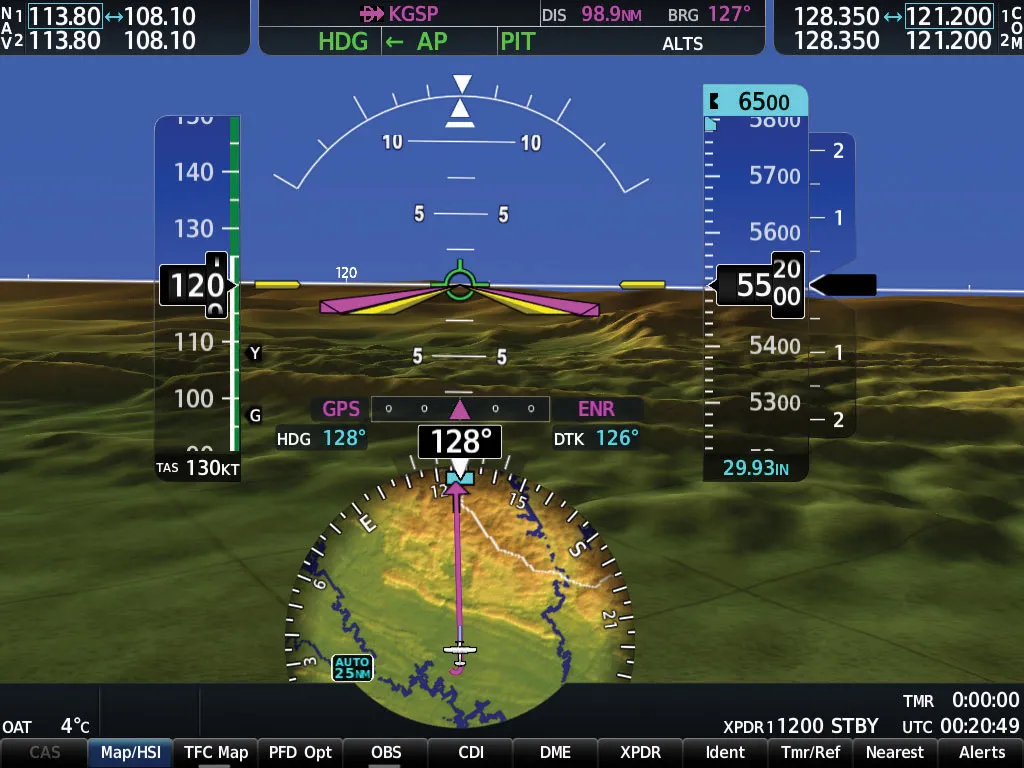
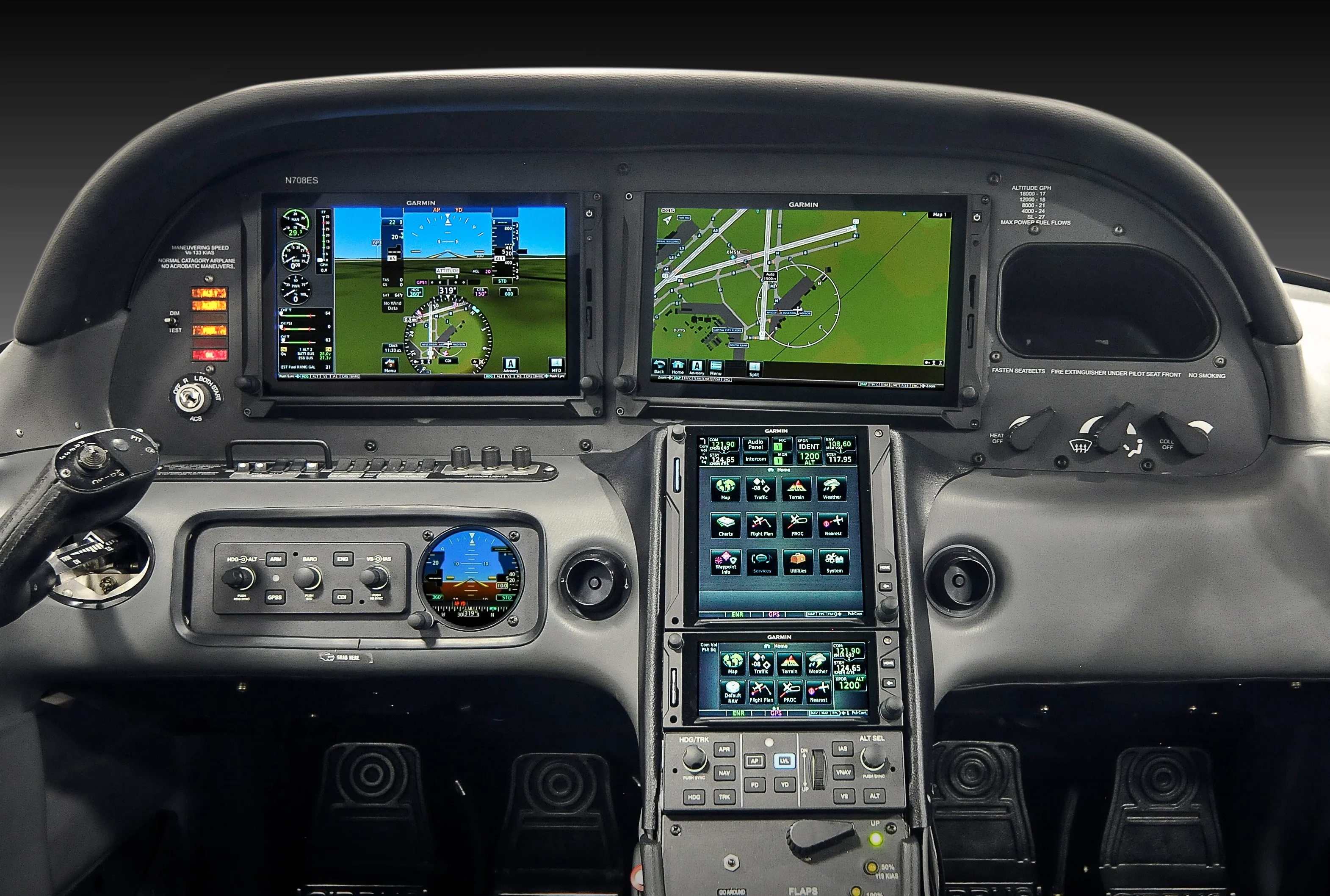
Modern cockpits are equipped with instruments that help pilots monitor the four forces and their environment. The altimeter shows height, the airspeed indicator shows speed, and the vertical speed indicator shows the rate of climb. These tools translate the physics of the sky into readable data for the pilot.
Developing situational awareness means understanding what these instruments are saying in relation to the aircraft's performance. It allows a pilot to make informed decisions and stay ahead of the airplane at all times. This mental clarity is just as important as the physical skills used for flight.
Weather is the most dynamic variable that a pilot must face during their career. Wind, clouds, and precipitation all interact with the principles of flying to change how an aircraft behaves. Pilots must be trained to read weather reports and understand how different systems will affect their planned route.
Turbulence is caused by irregular air movement and can challenge the stability of even the most advanced aircraft. Learning how to navigate safely through or around weather systems is a lifelong pursuit for professional pilots. Respecting the power of the atmosphere is a core tenet of airmanship.
Becoming a pilot requires a combination of ground school and flight training to master the sky. Ground school covers the theoretical side, including navigation, regulations, and the principles of flying. Flight training is where you put that theory into practice under the guidance of a certified instructor.
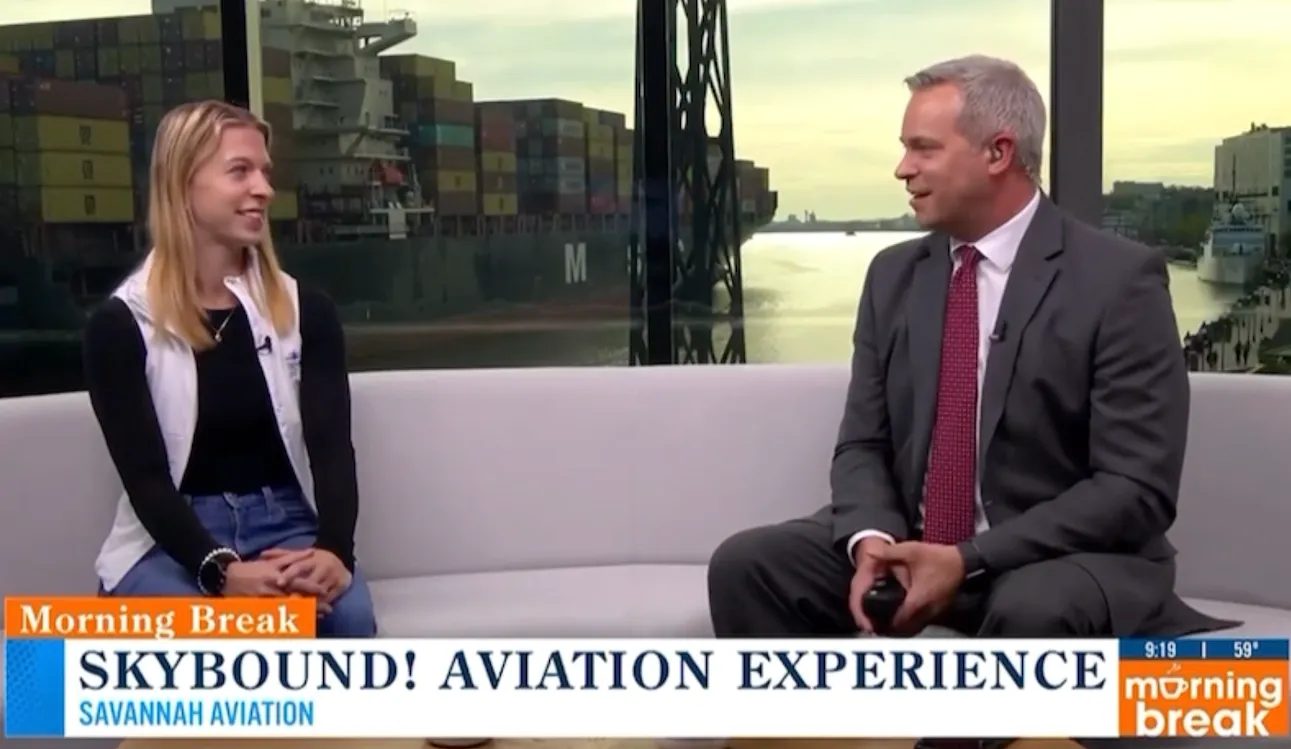
For many beginners, the most exciting first step is a hands-on discovery flight experience, where you can actually take the controls under supervision. Every hour spent in the cockpit builds muscle memory and sharpens your decision making skills. The process is rigorous but incredibly rewarding for those who are dedicated to the craft of aviation.
Stalls occur when the wing exceeds its critical angle of attack and the smooth airflow over the top surface becomes turbulent. This results in a sudden loss of lift, requiring the pilot to reduce the angle of attack and regain airspeed immediately.
Wingtip vortices are circular patterns of air that trail behind a wing as it generates lift. These vortices can create wake turbulence, which is dangerous for smaller aircraft following too closely behind a larger plane during takeoff or landing.
Trim tabs are small adjustable surfaces on the primary controls that help the pilot maintain a desired attitude without constant pressure. Using trim correctly reduces pilot fatigue and allows for a more stable and efficient flight experience.
Ground effect occurs when an aircraft is flying very close to a surface, such as during the landing flare. The proximity to the ground interferes with the airflow around the wings, reducing drag and making the plane want to float longer.
Safety is the highest priority in aviation and is woven into every aspect of pilot training. This includes preflight inspections, following checklists, and maintaining a high level of proficiency. Risk management involves identifying potential hazards and taking steps to mitigate them before they become a problem in the sky.
A good pilot is always thinking about their next move and has a backup plan for every phase of flight. This proactive mindset is what keeps the skies safe for everyone involved in the aviation community.
Aviation technology is constantly evolving with the development of electric propulsion and autonomous systems. These innovations are changing how we apply the principles of flying to create more sustainable and efficient aircraft. However, the fundamental laws of physics that govern flight remain as true today as they were a century ago.
As we look toward the future, the core concepts of lift, weight, thrust, and drag will continue to be the foundation.
Mastering the sky starts with a solid education and a passion for the mechanics of flight. Whether you dream of flying for a major airline or simply want to enjoy the freedom of general aviation, the right guidance makes all the difference.
Behind every safe flight is meticulous upkeep supported by certified aircraft maintenance services, ensuring every aircraft performs at its best. Our team is dedicated to helping you navigate the complexities of pilot training with ease.
Take the first step toward earning your wings by contacting Savannah Aviation at (912) 662-5048 today. We provide the expertise and support needed to help you understand the core principles of flying and reach your goals.
Request a personalized discovery flight and experience how professional instruction and careful preparation make learning to fly exciting and rewarding. Our team guides every step to help you build skills safely and confidently.
.webp)





.webp)