Understanding plane speed at takeoff is one of the first lessons for any student pilot, especially those enrolled in professional flight training programs. This specific velocity is the point where the wings generate enough lift to overcome the weight of the aircraft. Achieving this speed safely requires a perfect combination of engine power, wing design, and environmental conditions during the roll.
For enthusiasts and aviators alike, the takeoff phase is the most dynamic part of the flight. It is the transition from a ground vehicle to an airborne machine. Mastering the calculations behind this transition ensures that every departure is handled with precision and professional care for the safety of everyone on board.
Before a plane even begins to move down the runway, pilots must calculate several key speeds. One of the most important is known as V1, which is the decision speed. If an issue occurs before reaching this mark, the pilot can safely stop the aircraft on the remaining runway surface available.
Once the plane exceeds V1, it is committed to the flight. At this stage, trying to stop would likely result in running off the end of the pavement. This illustrates why knowing the exact plane speed at takeoff is not just about physics but also about making critical safety decisions in real time.
The next milestone in the sequence is VR, or rotation speed. This is the moment the pilot gently pulls back on the controls to lift the nose wheel off the ground. By changing the angle of the wings, the aircraft can maximize lift and finally break its connection with the earth.
This rotation occurs at a very specific velocity based on the current weight of the plane. If you rotate too early, the wings might stall. If you rotate too late, you waste runway and potentially put stress on the tires. Accurate knowledge of plane speed at takeoff ensures a smooth and graceful climb.
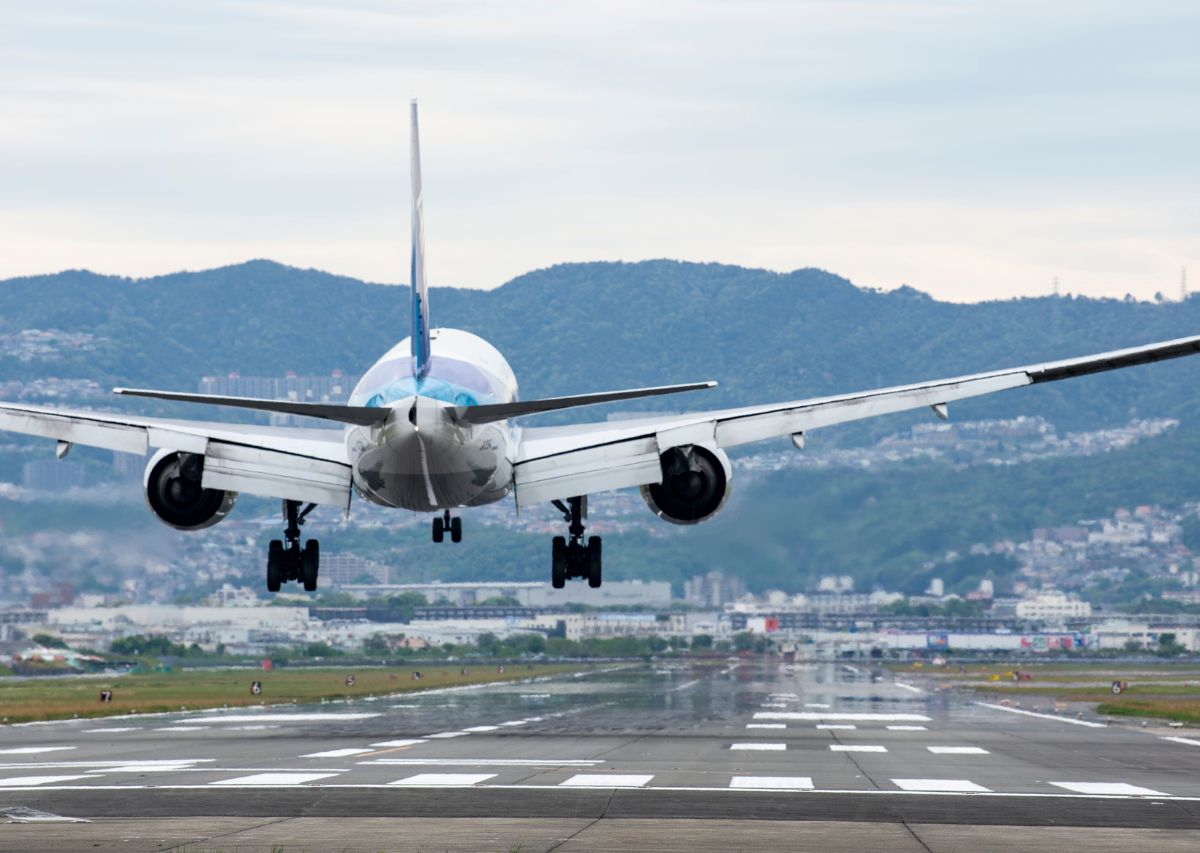
The total weight of the aircraft is a primary factor in determining how fast it must go to fly. A heavy plane requires more airflow over its wings to create the necessary upward force. Consequently, a fully loaded jet will have a much higher plane speed at takeoff than a light trainer.
Pilots must account for fuel, passengers, and cargo when performing these calculations before every trip. Even a few hundred pounds of extra weight can change the required velocity by several knots. Precision in weight management is a fundamental skill that every professional aviator must develop early in their career.
Air density plays a massive role in how quickly an aircraft can achieve flight. On hot days or at high altitude airports, the air is thinner and less dense. This means the wings and the engine are less efficient, requiring a much higher plane speed at takeoff to get airborne.
Aviators often refer to this as density altitude. A runway that is plenty long enough in the winter might become dangerously short during a summer heatwave. Understanding these atmospheric shifts allows pilots to adjust their expectations and ensure the aircraft has enough space to accelerate to the proper flying velocity.
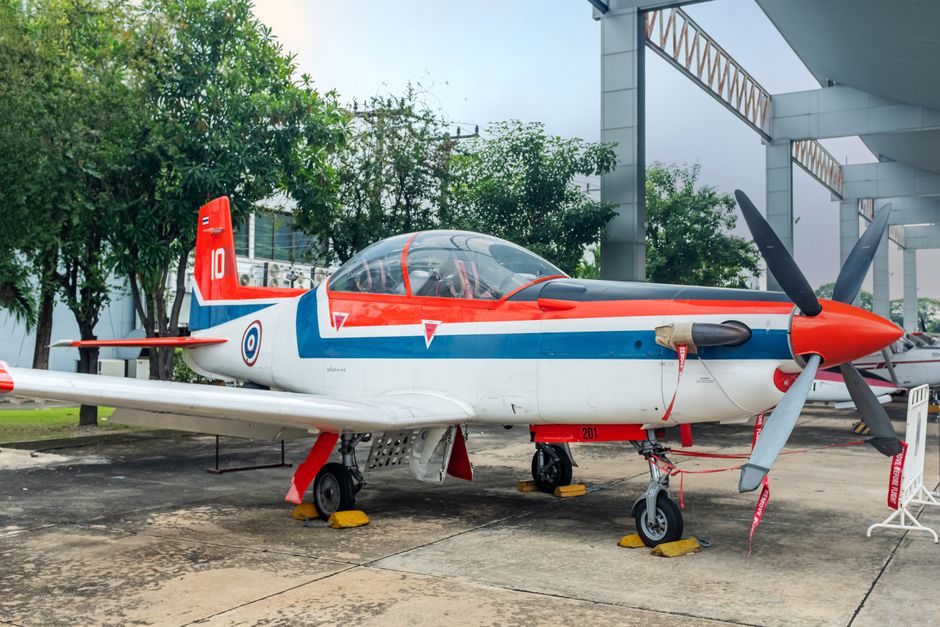
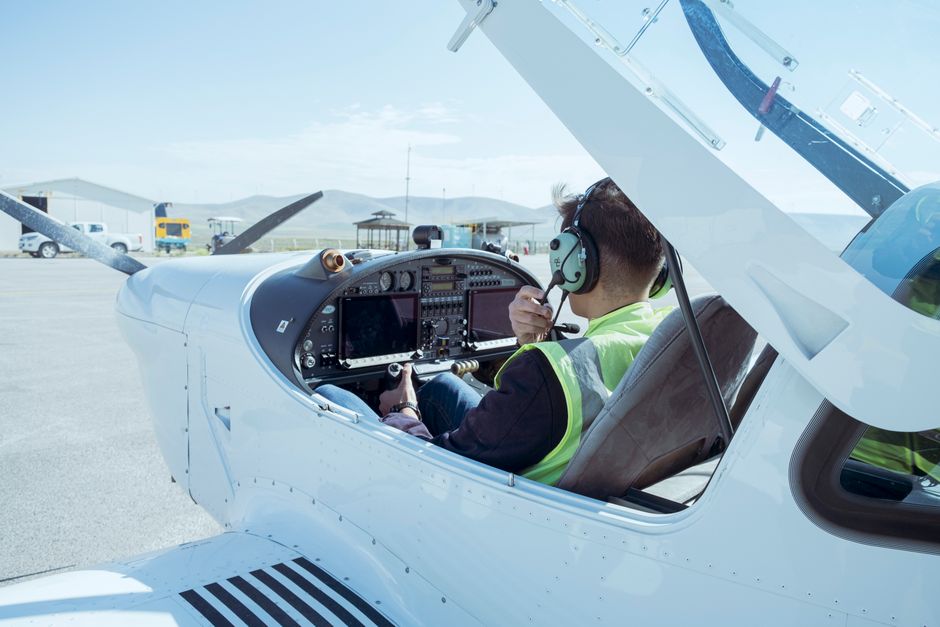
Light aircraft like a Cessna 172 or a specialized 590 model usually take off at much lower speeds than commercial airliners. These planes are designed for efficiency and can often leave the ground at speeds between 55 and 75 miles per hour depending on the configuration.
The lighter frame allows these aircraft to operate out of smaller regional airports with shorter runways. This versatility is why small planes are so popular for flight training and private travel. If you want to book a discovery flight to experience takeoff firsthand, flying in a trainer aircraft provides a clear understanding of lift, speed, and control.
Pilots of small planes must be especially aware of wind gusts during the takeoff roll. Because the aircraft is light, a sudden change in wind speed or direction can affect the plane speed at takeoff more dramatically than it would a much larger and heavier jet.
Even in small aircraft, the use of flaps can significantly reduce the amount of runway needed. Extending the flaps changes the shape of the wing to create more lift at lower speeds. This is a common technique used for short field or soft field departures.
Thrust is the forward force that allows an aircraft to accelerate to its required velocity. The engines must provide enough power to overcome both the weight of the machine and the friction of the tires on the pavement. Without consistent thrust, achieving the proper plane speed at takeoff is impossible.
Jet engines and propellers work differently but share the same goal of moving air backward to push the plane forward. Pilots monitor their engine instruments closely during the initial roll to ensure that the power output matches the calculated requirements for a safe and successful departure into the sky.
The condition of the runway surface can either help or hinder acceleration. A smooth, dry asphalt runway provides the best conditions for reaching the necessary plane speed at takeoff. However, rain, snow, or even tall grass on a private strip can create significant drag that slows the airplane down.
Additionally, the slope of the runway must be considered during preflight planning. Taking off on an uphill grade requires more power and more distance to reach flying speed. Pilots always prefer to take off into the wind and on a level or downhill surface whenever the airport environment allows it.
After the wheels leave the ground, the aircraft enters a phase where it must maintain a safe climb speed known as V2. This is the safety takeoff speed that ensures the plane can continue to climb even if an engine fails. It provides a buffer above the minimum flying velocity for stability.
Maintaining this speed is critical during the initial climb out to avoid obstacles on the ground. Pilots are trained to transition from the ground roll to this safety speed with fluid and controlled movements. This careful management of plane speed at takeoff and climb is what makes modern aviation so incredibly safe.
Different wings are built for different speeds. A plane designed for high speed travel usually has thin, swept back wings, while a slower trainer has thick, straight wings. The shape of the airfoil determines how much lift is produced at a given plane speed at takeoff throughout the roll.
High lift wings allow a plane to get into the air quickly at lower velocities, which is ideal for short runways. In contrast, high speed wings are more efficient once the plane is at cruising altitude. Understanding your specific aircraft design helps you predict how it will behave during the most critical moments of the flight.
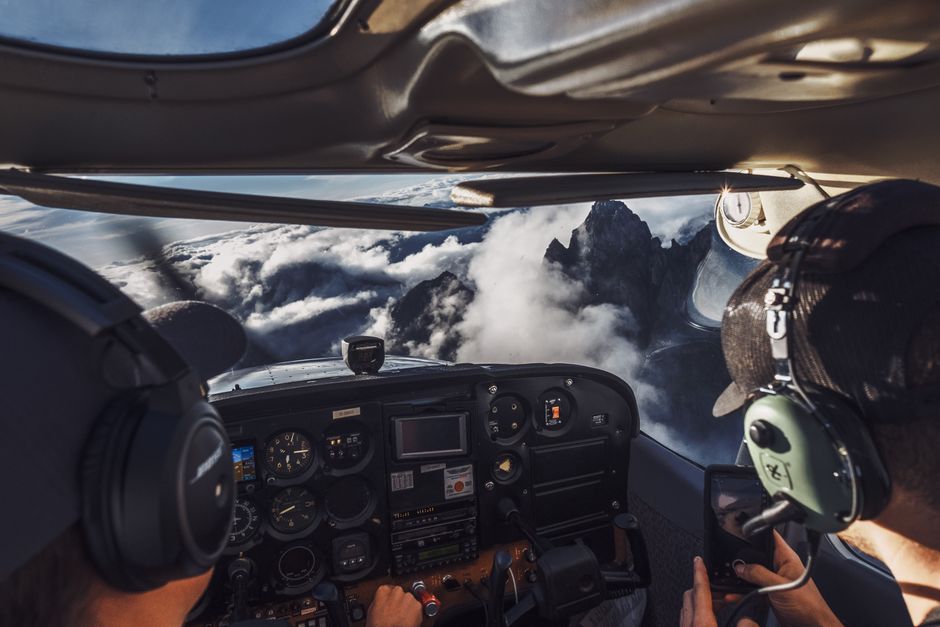
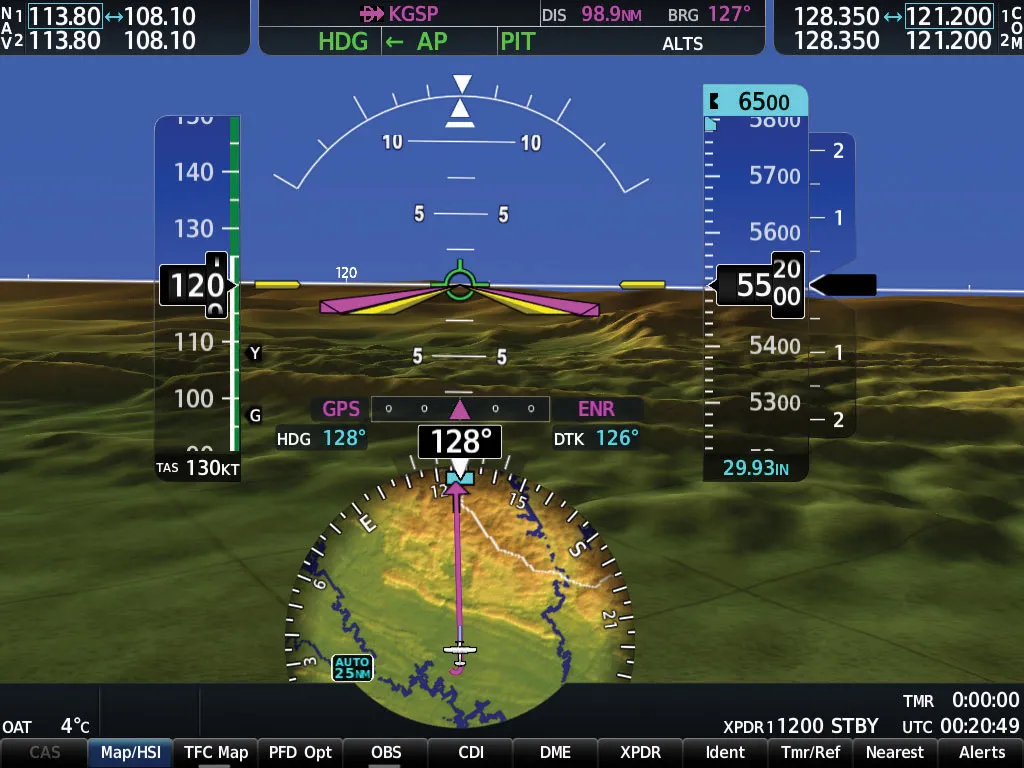
The airspeed indicator is the most vital instrument during the takeoff roll. It translates the pressure of the air into a readable speed for the pilot. Since the wings react to the air moving over them rather than the ground moving beneath, this instrument shows the true plane speed at takeoff.
Pilots often call out specific speeds as they are reached to maintain situational awareness. For example, a co pilot might say eighty knots or rotate to signal that the aircraft has reached the necessary benchmarks. This verbal confirmation ensures that both people in the cockpit are in agreement during the departure.
Tires are the only part of the aircraft in contact with the ground during the acceleration phase. They must be able to withstand the heat and friction generated at a high plane speed at takeoff. Specialized aviation tires are built with multiple layers of reinforcement to handle these extreme forces safely.
Regular inspections are required to check for wear, flat spots, or any damage that could cause a tire failure. A blowout at high speed could lead to a loss of directional control on the runway. Proper upkeep, along with certified aircraft maintenance services, ensures the aircraft can safely reach its flying velocity every time.
Taking off in a crosswind requires extra skill and coordination from the pilot. The wind can push the plane off the center of the runway or lift one wing prematurely before the proper plane speed at takeoff is reached. Pilots use the rudder and ailerons to keep the aircraft aligned with the pavement.
As the plane accelerates, the flight controls become more effective, allowing for better authority over the machine. Successful crosswind takeoffs demonstrate a pilot's ability to balance aerodynamic forces with engine power.
An aborted takeoff, also known as a rejected takeoff, occurs when a pilot decides to stop the aircraft before it reaches the decision speed. This could be due to an engine warning light, a bird strike, or any other safety concern that arises during the roll.
The pilot must immediately reduce the power to idle and apply maximum braking to bring the aircraft to a stop. On some larger planes, thrust reversers are also used to help slow the machine down quickly.
Practice for rejected takeoffs is a standard part of flight training and recurrent checks for professional pilots. Knowing the limits of the runway and the current plane speed at takeoff allows for a calm and calculated response to an emergency situation.
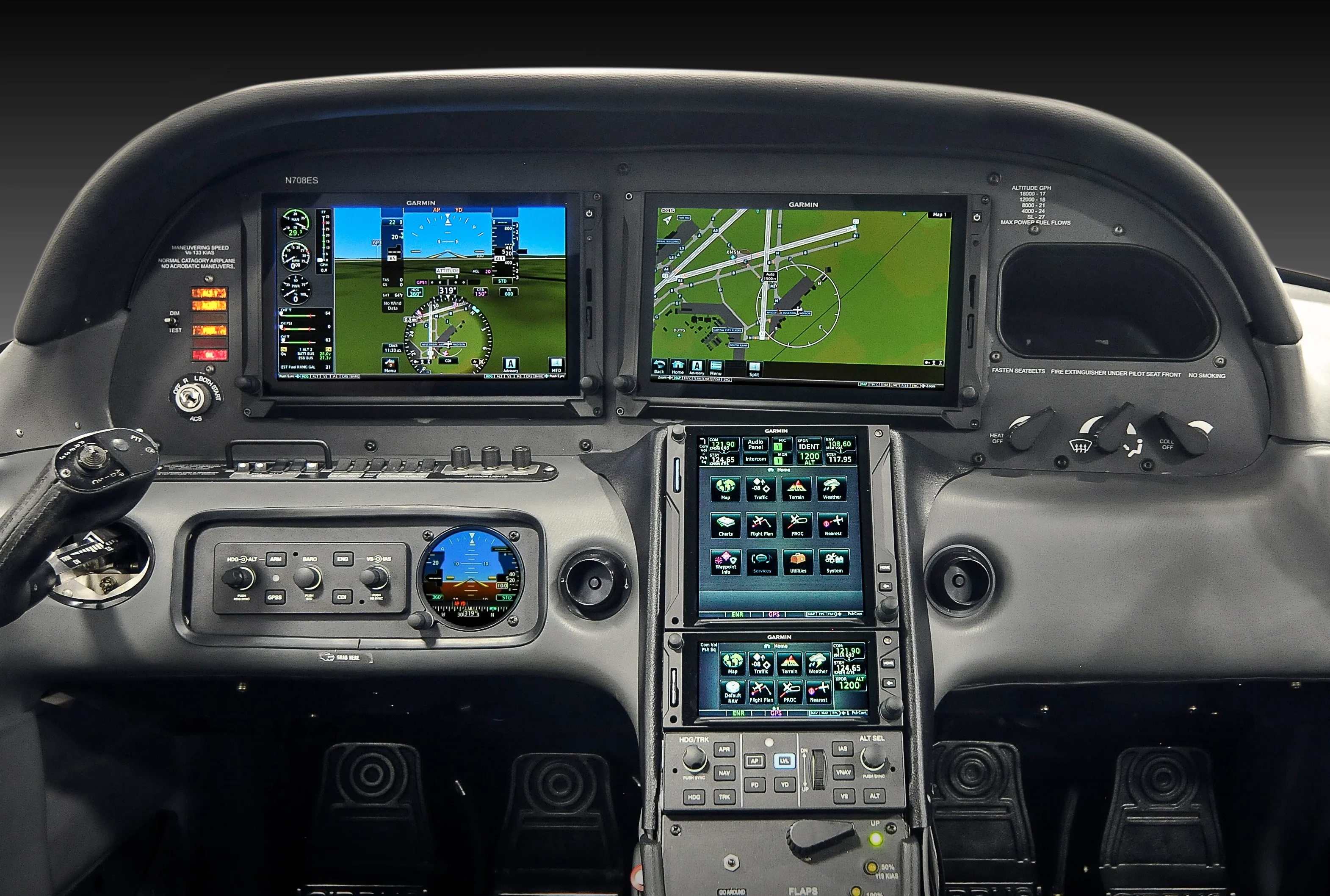
Modern aircraft are equipped with computers that calculate the required plane speed at takeoff automatically. These systems take in data about weight, temperature, and runway length to provide the pilot with the most accurate V speeds possible.
Even with this technology, pilots are taught to verify the numbers manually to ensure they make sense. Understanding the underlying principles of flight allows an aviator to recognize when a computer might be giving incorrect information.
Mastering the technical details of flight is a journey that requires the right mentorship and resources. Whether you are curious about the mechanics of lift or are ready to begin your journey toward becoming a pilot, having professional support is key. Understanding the details of every flight phase creates a safer environment for everyone.
If you are interested in learning more about the intricacies of flight performance, reach out to Savannah Aviation at (912) 662-5048 today. Their team is dedicated to providing high quality information and guidance for all your aviation questions.
Request a personalized discovery flight and experience how professional instruction and careful preparation make learning to fly exciting and rewarding. Our team guides every step to help you build skills safely and confidently.
.webp)





.webp)