The six pack aviation instruments represent the traditional arrangement of the primary flight displays found in most general aviation aircraft. This classic layout has served as the standard for pilot training and instrument flight for decades. Understanding how these tools work together is essential for any aviator looking to master the art of flight. For those seeking professional flight training and aviation services, Savannah Aviation can provide valuable guidance and real-world instruction.
For many student pilots, the first encounter with a cockpit can be overwhelming due to the variety of dials and gauges. However, the six pack aviation instruments are organized in a specific way to facilitate a quick and efficient scan. This standardized configuration allows a pilot to transition between different aircraft types with minimal confusion or additional training.
The arrangement of these tools follows what is known as the Basic T configuration. This design places the most critical information in the center of the pilot's field of vision. By positioning the instruments in this specific order, designers ensure that a pilot can monitor the aircraft's attitude and performance with just a glance.
At the heart of this layout is the attitude indicator, flanked by the airspeed indicator and the altimeter. Below these three, you will find the turn coordinator, the directional gyro, and the vertical speed indicator. This logical grouping is the foundation of the six pack aviation instruments and remains a vital part of aviation safety.
The airspeed indicator is one of the most vital components of the six pack aviation instruments. It measures the difference between pitot pressure and static pressure to show how fast the aircraft is moving through the air. This information is critical for maintaining safe speeds during takeoff, cruise, and the final landing.
Colored arcs on the dial provide immediate visual cues regarding safe operating ranges. For example, the white arc indicates flap operating speeds, while the green arc shows the normal operating range. Pilots must keep a close eye on this instrument to avoid stalls or exceeding the structural limits of the airframe during their mission.
The attitude indicator is the only instrument in the six pack aviation instruments that provides an immediate picture of the aircraft's relationship to the horizon. It uses a gyroscope to show whether the plane is climbing, descending, or banking. This is often considered the most important tool for flying in poor visibility or through clouds.
By referencing the small orange wings against the blue and brown background, a pilot can maintain level flight even without a visible horizon outside. Mastering the use of the attitude indicator is a major milestone in instrument flight training. It provides the situational awareness necessary to keep the aircraft stable in all weather conditions.
The altimeter measures atmospheric pressure to determine the aircraft's height above a specific reference point, usually mean sea level. As the plane climbs, the air pressure decreases, and the needles on the altimeter move to reflect the higher altitude. This is a crucial part of the six pack aviation instruments for maintaining safe terrain clearance.
Pilots must manually adjust the altimeter setting to account for local barometric pressure changes during the flight. Failure to set the correct pressure can lead to dangerous errors in altitude readings. Consistent monitoring of this instrument ensures that the aircraft stays at its assigned flight level and avoids any obstacles on the ground.
The turn coordinator shows the rate and quality of a turn rather than the actual bank angle. It helps the pilot maintain a coordinated turn by using a small ball in a fluid filled tube to indicate if the aircraft is skidding or slipping during the maneuver.
The directional gyro or heading indicator provides a stable reference for the aircraft's magnetic heading. Unlike a traditional compass, it is not subject to the same magnetic dip errors during turns or speed changes, making it much more reliable for precise navigation and tracking.
The vertical speed indicator tells the pilot how fast the aircraft is climbing or descending in feet per minute. This instrument is essential for maintaining a steady rate of change and is particularly useful during the approach phase of a flight to ensure a smooth arrival.
Vacuum systems or electrical motors typically power the gyroscopic instruments within the panel. Pilots must monitor the vacuum gauge to ensure that the instruments like the attitude indicator and directional gyro have the necessary power to function accurately throughout the entire duration of the flight.
The heading indicator is a gyroscopic instrument that must be periodically aligned with the magnetic compass. Because it is powered by a gyroscope, it remains steady even during turbulence or aggressive maneuvers. Within the six pack aviation instruments, it serves as the primary tool for staying on a specific course over long distances.
Pilots typically reset the heading indicator during straight and level flight to match the compass reading. This ensures that any precession or drift is corrected before it leads to a navigation error. Mastering this coordination is a fundamental skill for anyone learning to use the six pack aviation instruments for cross country travel.
The vertical speed indicator, or VSI, provides a trend of the aircraft's vertical movement. While there is a slight lag in the initial reading, it is an invaluable tool for executing precision descents. In the context of the six pack aviation instruments, it helps the pilot confirm that the aircraft is reacting correctly to power and pitch changes.
Maintaining a constant rate of descent is especially important when flying an instrument approach. By using the VSI to monitor the glide path, a pilot can make small, smooth adjustments to reach the runway safely. It is a key instrument for achieving professional level performance in every phase of the flight profile.
A coordinated flight is more efficient and comfortable for the passengers on board. The turn coordinator provides the pilot with the information needed to use the rudder and ailerons in harmony. This instrument within the six pack aviation instruments is a primary reference for keeping the aircraft in a balanced state during any turn.
The small airplane silhouette on the dial shows the rate of roll and the rate of turn. When the ball is centered in the tube, the aircraft is in a coordinated state. If the ball moves to the side, the pilot must apply rudder pressure to bring the plane back into aerodynamic balance.
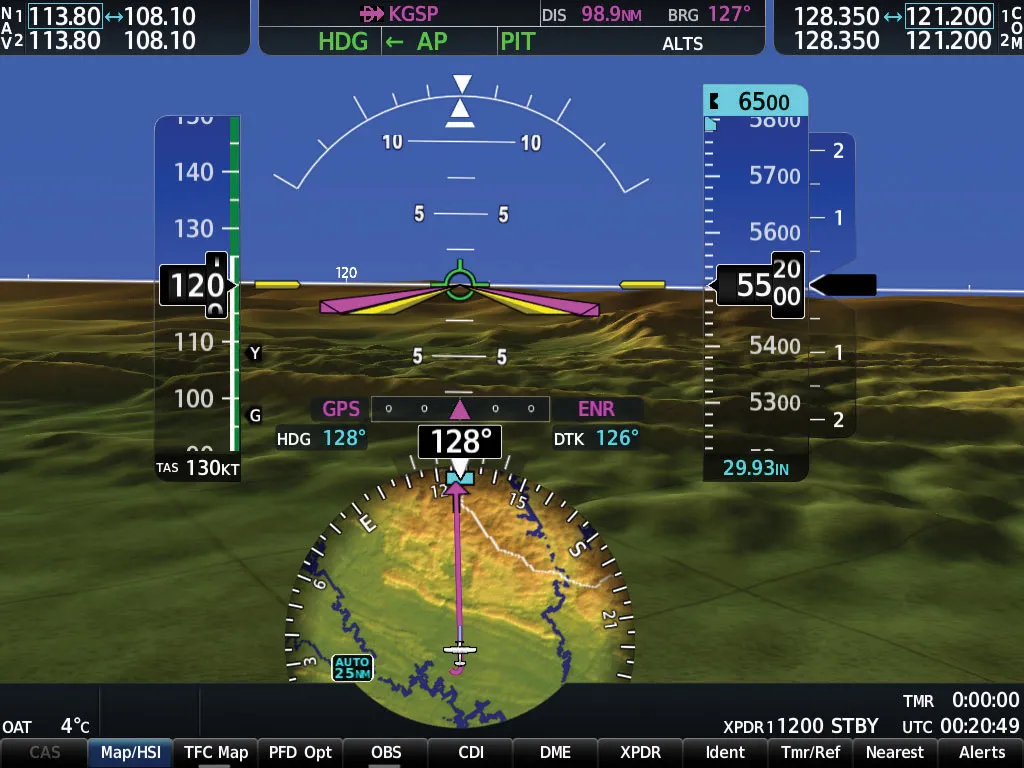
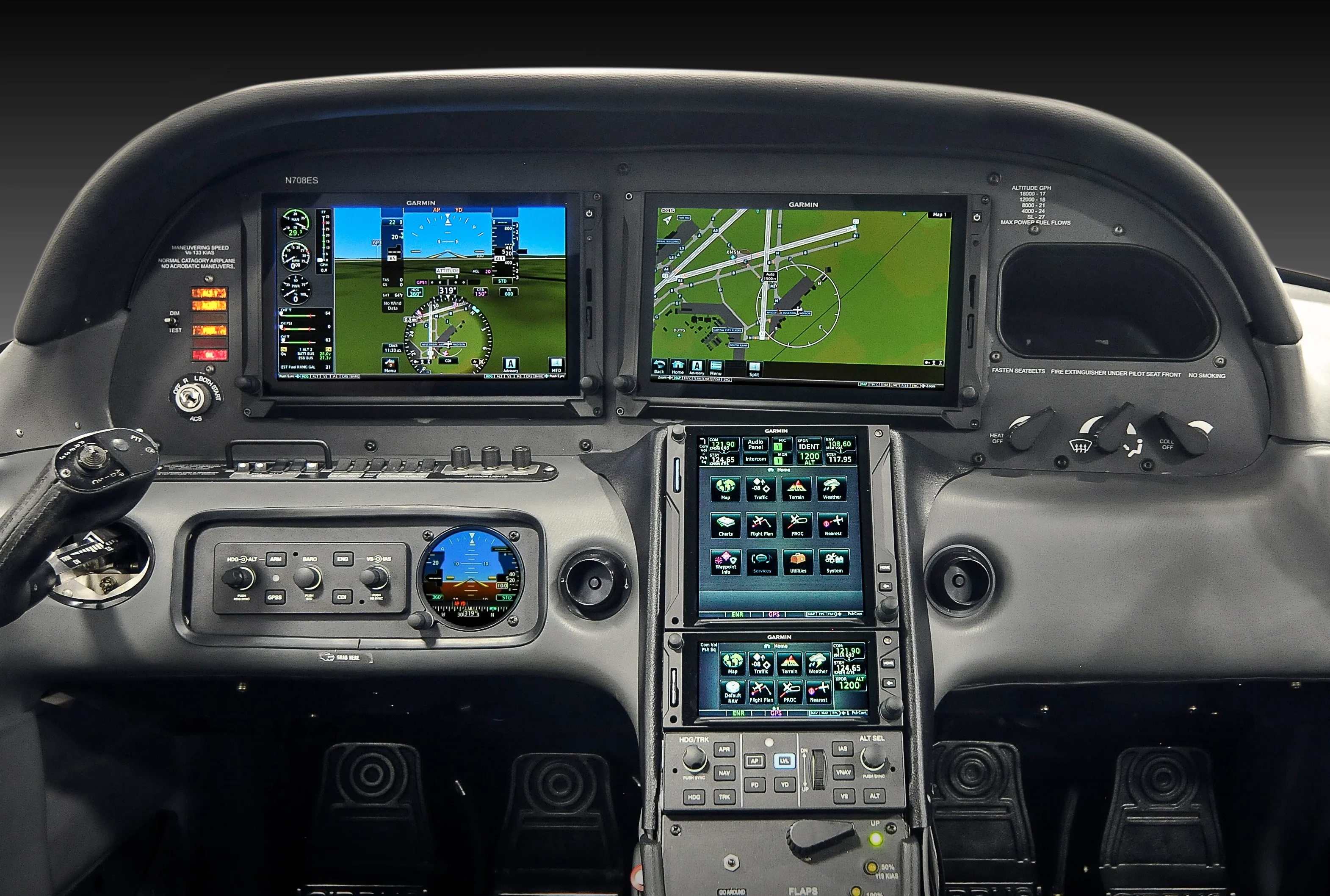
While the traditional six pack aviation instruments use mechanical gears and gyroscopes, many modern aircraft now use electronic flight displays. These glass cockpits integrate all the same information into large, high resolution screens. However, the logic and the layout of the data still mirror the original six pack design to maintain pilot familiarity.
Even in advanced aircraft like a modern jet or a high performance model, the basic principles of flight monitoring remain unchanged. Pilots who learn on traditional gauges often find it easier to understand the underlying physics of the instruments. The transition to digital screens is simply a change in how that data is visualized for the crew. Many aspiring pilots begin with a hands-on discovery flight experience to see these instruments in action firsthand.
Mechanical instruments are subject to wear and tear over time. Bearings can fail, and vacuum pumps can lose efficiency, leading to inaccurate readings in the cockpit. Regular inspections and calibrations are required to ensure the six pack aviation instruments are reliable enough for flight in challenging conditions where visual references are not available.
Pilots are trained to look for warning signs of instrument failure, such as sluggish movement or unusual noises. A failed instrument in the six pack aviation instruments can be a serious safety hazard if not identified quickly. Maintaining these tools is a critical responsibility for every aircraft owner and maintenance professional in the industry.
The key to flying safely using the six pack aviation instruments is developing a disciplined scan pattern. A pilot should never fixate on a single dial for too long. Instead, they should constantly move their eyes across the panel, starting from the attitude indicator and checking the surrounding gauges before returning to the center.
This continuous loop of information allows the pilot to catch small deviations before they become large problems. A fast and accurate scan is the hallmark of a proficient instrument pilot. It takes practice to build this habit, but it is one of the most rewarding skills to master in the cockpit.
Many pilots prefer the traditional six pack aviation instruments because they do not rely on complex software or computer screens. If one instrument fails, the others usually continue to work independently. This redundancy is a major advantage of the mechanical design and provides a layer of safety that many aviators still value today.
Having a diverse set of instruments that use different power sources means that a single electrical failure will not leave the pilot without information. The reliability of the six pack aviation instruments has been proven over millions of flight hours. They remain a trusted and effective way to navigate the world from above.
Modern aircraft that use digital displays are almost always required to have a backup set of mechanical or independent electronic instruments. These standby tools often mimic the primary six pack aviation instruments to provide the pilot with a familiar reference in the event of a total primary power loss or screen failure.
Vacuum gauges and warning flags are integrated into the panel to alert the pilot of a system malfunction before the instrument readings become completely unreliable. This early warning system allows the pilot to transition to partial panel flying techniques and land the aircraft safely at the nearest suitable airport.
Partial panel flying is a specific training technique where the pilot learns to navigate using only a portion of the six pack aviation instruments. This skill is vital for handling emergencies and ensures that a pilot can maintain control of the aircraft even when the most important instruments are not functioning properly.
Regular training and proficiency checks help pilots stay sharp on their backup skills. By simulating instrument failures in a controlled environment, aviators can build the confidence needed to handle real world challenges. The six pack layout remains the gold standard for teaching these life saving techniques.
As technology continues to advance, the classic six pack aviation instruments are becoming less common in new factory aircraft. However, they will remain a staple of the general aviation community for many years to come. Thousands of existing planes still rely on these mechanical marvels to cross the country safely every single day.
For the purist, there is a certain charm and tactile feel to a traditional cockpit that digital screens cannot replicate. The history of aviation is written on these dials and gauges. Whether you are flying a vintage trainer or a modern high performance machine, the six pack remains a symbol of the skill and precision required to fly.
Developing a deep understanding of your cockpit is the first step toward becoming a truly proficient and safe pilot. Whether you are just starting your training or are looking to brush up on your instrument skills, having the right guidance is essential for success. Our team is here to help you navigate every dial and gauge with complete confidence.
If you are ready to take your knowledge of the six pack aviation instruments to the next level, reach out to Savannah Aviation at (912) 662-5048 today. We also offer certified aircraft maintenance services to keep your aircraft operating safely and reliably. Our experts provide the support you need to master the skies and achieve your aviation goals with professional precision. You can also contact us via email to learn more about our specialized training programs.
Request a personalized discovery flight and experience how professional instruction and careful preparation make learning to fly exciting and rewarding. Our team guides every step to help you build skills safely and confidently.
.webp)







.webp)