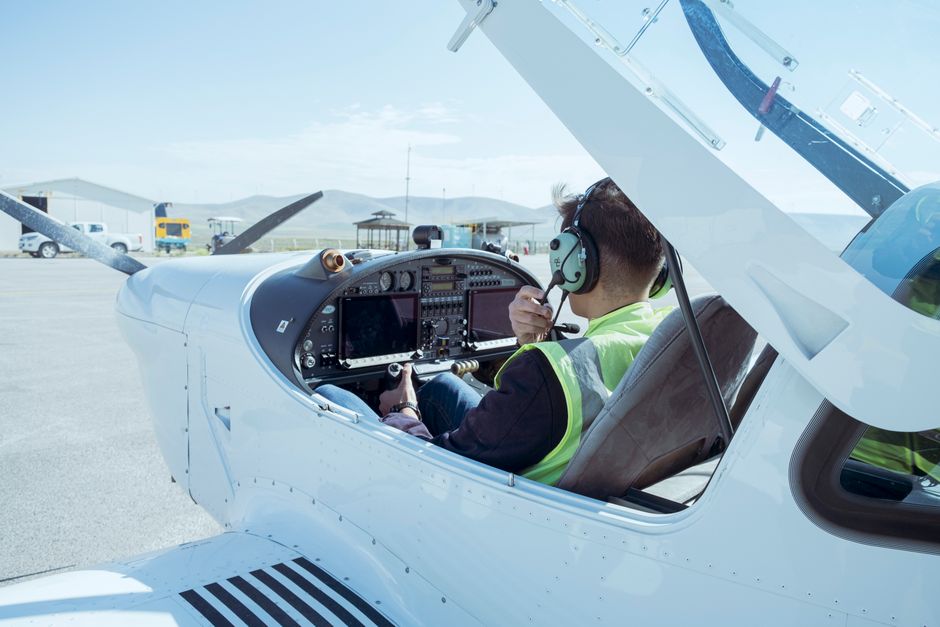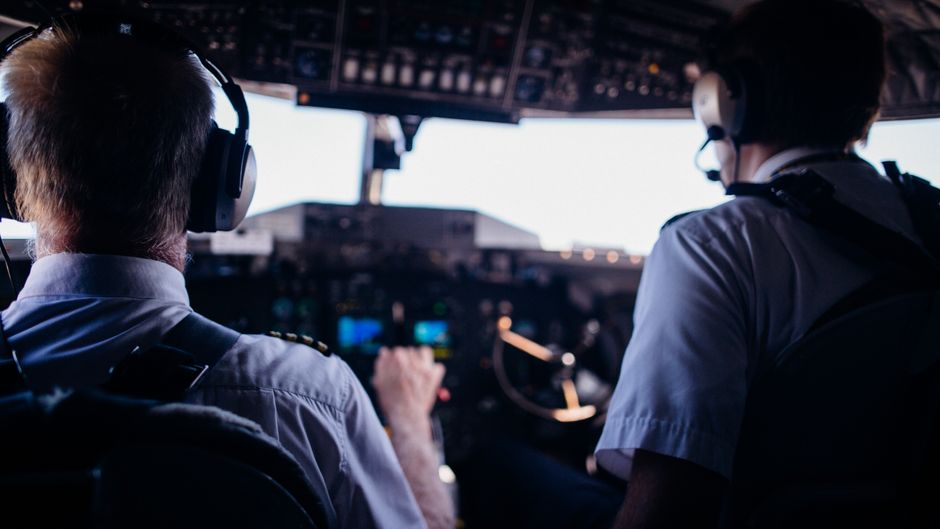
Building strong cockpit habits as a student pilot is one of the most important investments you can make in your flying career. Long before you earn your private pilot certificate, the small, repeatable behaviors you develop in the cockpit — how you use checklists, how you scan for traffic, how you manage distractions, and how you communicate — will shape the kind of aviator you become. These habits do not form by accident. They are built deliberately, lesson by lesson, with guidance from experienced instructors.
At Savannah Aviation, our flight instructors teach proper cockpit technique from the very first lesson, because a pilot who forms sloppy habits early will carry those habits forward. Call (912) 964-1022 to schedule your introductory lesson and start developing the professional standards that will define your flying for life.
Many student pilots focus almost entirely on stick-and-rudder skills — and those skills absolutely matter. But the pilots who progress smoothly through training, pass their checkrides with confidence, and go on to long, safe flying careers are the ones who also mastered the behavioral and cognitive routines of the cockpit. This guide walks you through the most important habits to build from day one, why each one matters, and how to make them second nature before you ever fly solo.
Aviation accident investigation data has consistently shown, across decades of reports from the NTSB and FAA, that the majority of general aviation accidents involve some form of human error — not mechanical failure. That means the decisions and behaviors of the pilot in command are the primary variable in flight safety. This is not a reason for fear; it is a reason for optimism, because human behavior is trainable.
When you build good cockpit habits early in training, you are essentially programming reliable responses into your workflow for the moments when workload is highest and stress is greatest. The checklist you always complete thoroughly during a calm, sunny day is the same checklist that saves you from overlooking a critical item during a rushed departure or an unexpected diversion. Habits work precisely because they require less conscious attention — freeing your mental bandwidth for genuine problem-solving when it counts.
The flight school environment is the ideal place to establish these standards, because your instructor is present to catch and correct deviations before they become ingrained. Take full advantage of that dynamic while it lasts.
The checklist is the single most powerful cockpit tool available to any pilot at any experience level. Professional airline crews with tens of thousands of hours use checklists for every phase of flight. The reason is simple: human memory is fallible under pressure, fatigue, and distraction. A checklist eliminates reliance on memory for critical items.
There is a meaningful difference between using a checklist and simply holding one. Many student pilots develop the habit of "flows" — completing items from memory and then using the checklist only to verify. Others read and respond to each item in sequence. Both approaches can be valid depending on the operation and aircraft, but the key discipline in either case is that the checklist is always completed fully, in order, without interruption.
Your instructor will likely emphasize checklist discipline repeatedly throughout training. Embrace it. The students who treat checklists as bureaucratic boxes to check are the ones who eventually miss something important. The students who treat the checklist as a professional obligation carry that standard through their entire flying career.
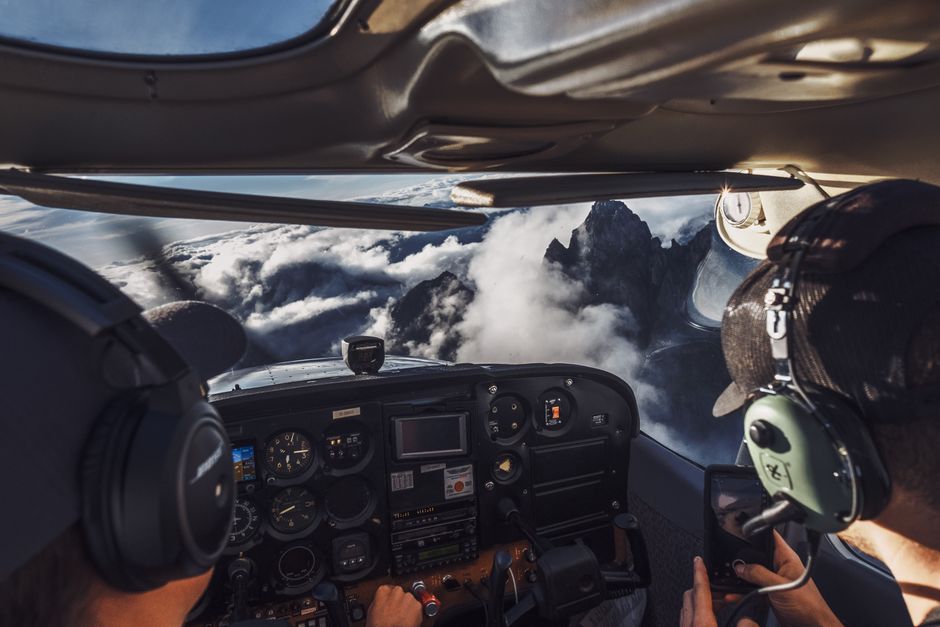
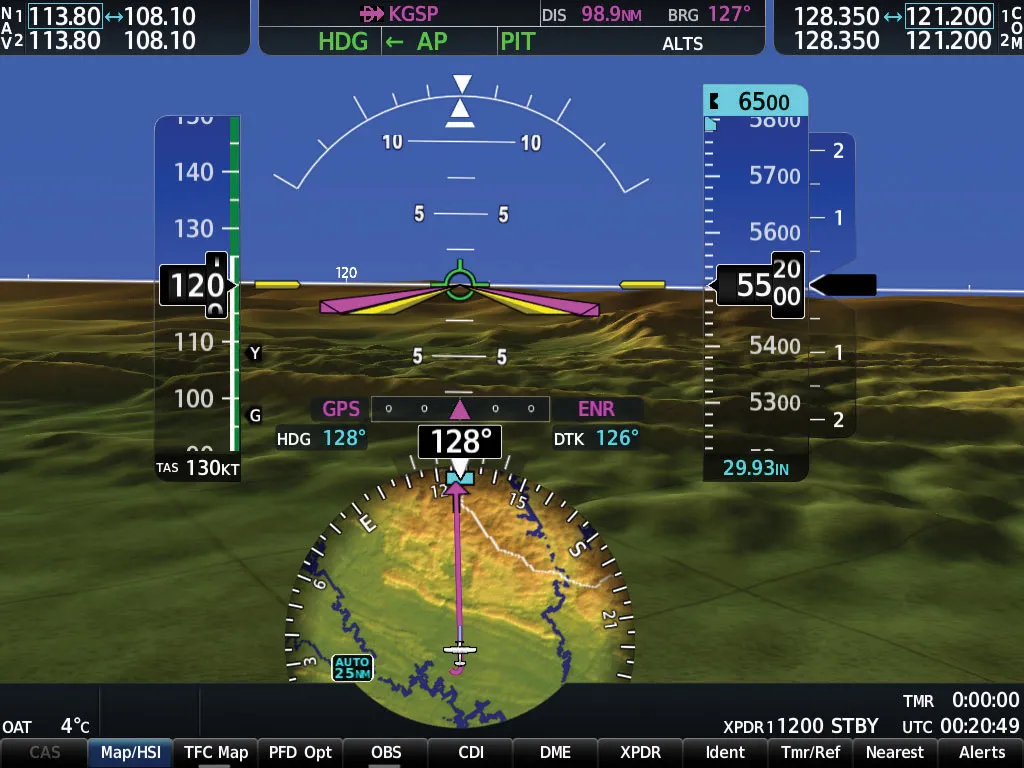
Situational awareness — sometimes abbreviated as SA — is the continuous, accurate mental picture of your aircraft's position, state, and environment. It includes knowing where you are geographically, what your aircraft is doing aerodynamically, what the weather is doing, what other traffic is around you, and what your options are at any given moment. Losing situational awareness is one of the most dangerous things that can happen to a pilot, because it often happens gradually and silently.
Early in training, building situational awareness means developing specific habits that keep your mental picture current and accurate:
Situational awareness is not a skill you acquire once — it is a standard you maintain actively throughout every flight. Instructors at Savannah Aviation's flight program actively coach students on maintaining their mental picture, especially during high-workload phases like pattern entry, approach, and landing.
Distraction is one of the most common contributing factors in aviation incidents and accidents. In the cockpit, distractions can come from many sources: a passenger asking a question at a critical moment, an unfamiliar noise from the engine, an ATC instruction that requires you to look up a frequency, or even the temptation to consult a chart while maneuvering. Learning to manage distractions is a habit that must be cultivated early.
The core principle of cockpit distraction management is aviate, navigate, communicate — in that order of priority. Flying the aircraft always comes first. Navigation and communication come after. No chart, radio call, or passenger conversation is more important than maintaining aircraft control and situational awareness.
One of the most important cockpit habits a student pilot can develop is the discipline of honest self-assessment before and during every flight. This means establishing personal minimums — defined thresholds for weather, currency, fatigue, and aircraft condition — and committing in advance to honor them regardless of external pressure.
The FAA's regulatory minimums define the legal floor for flight operations, but they are not always the appropriate standard for a student pilot or a recently certificated private pilot. For example, the regulations may permit VFR flight with three miles of visibility and a 1,000-foot ceiling, but a student pilot without instrument training has very limited margin if conditions deteriorate below those values. Establishing personal minimums that are more conservative than the regulatory floor is not timidity — it is professionalism.
The student pilot who learns to make clear, disciplined go or no-go decisions early in training is building one of the most valuable habits in all of aviation. This single skill prevents more accidents than almost any other aeronautical competency. Learn it now, in the structured environment of flight training, while your instructor is present to reinforce the standard.
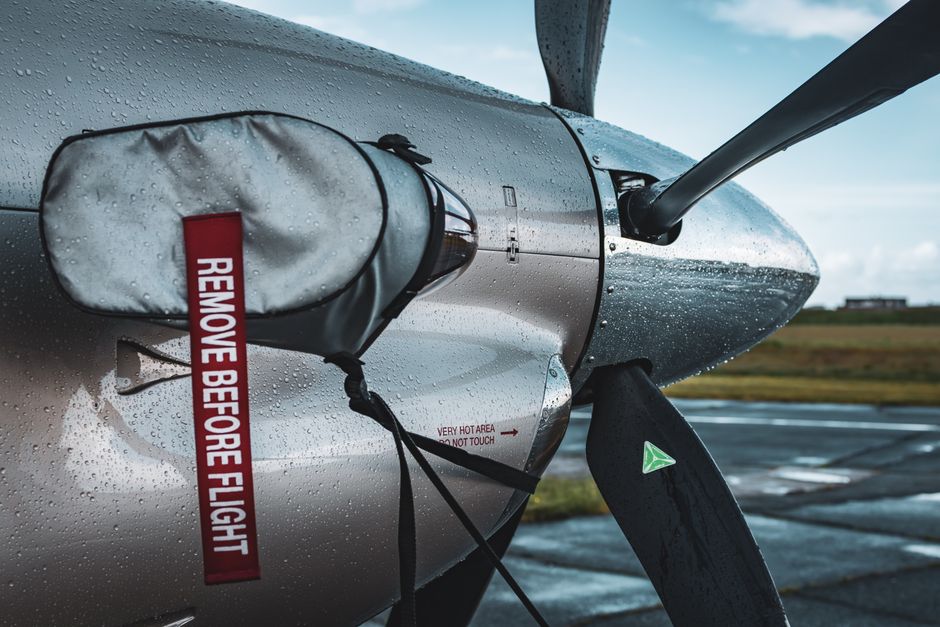
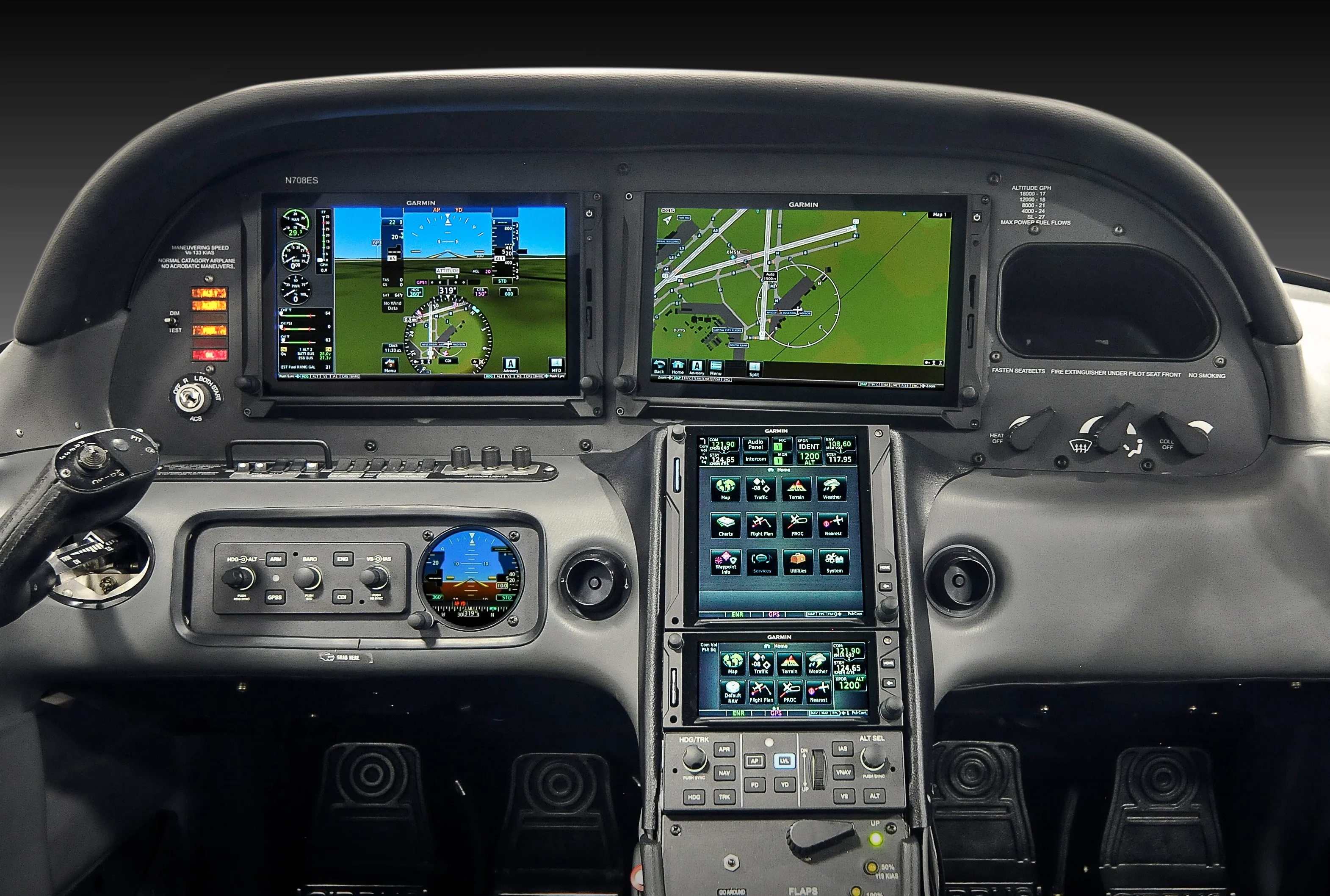
A well-organized cockpit is a direct extension of good habit formation. Pilots who spend time on the ground ensuring that charts are accessible, frequencies are pre-loaded, and kneeboard materials are arranged logically arrive at critical flight phases with less cognitive clutter and more mental bandwidth available for flying.
Before every flight, take time to:
Good preparation habits translate directly into a calmer, more organized cockpit environment during flight — and a calmer cockpit produces better decisions, more accurate flying, and greater safety margins across every phase of operation.
Request a personalized discovery flight and experience how professional instruction and careful preparation make learning to fly exciting and rewarding. Our team guides every step to help you build skills safely and confidently.
.webp)





.webp)