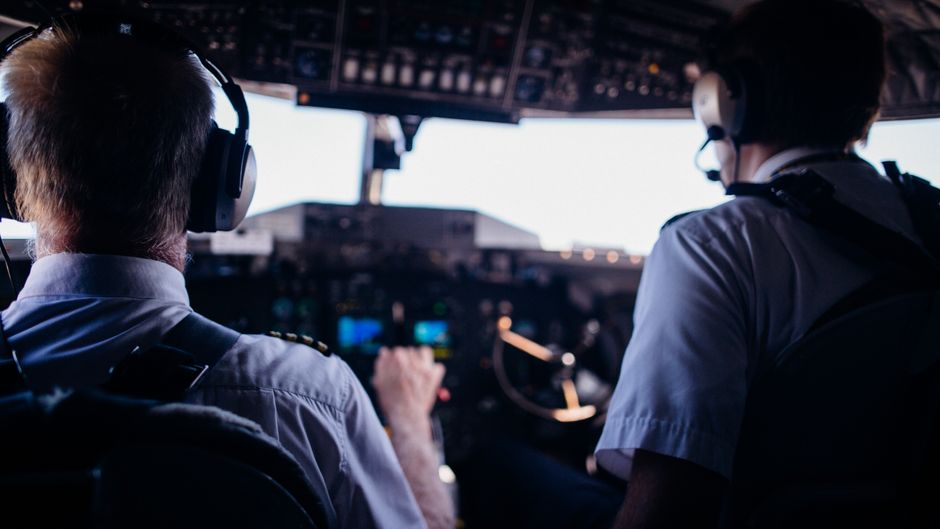
The role of a captain of plane is one of the most prestigious and responsible positions in the world. It represents the pinnacle of a pilot's career, requiring a unique blend of technical mastery, situational awareness, and decisive leadership. Every time a flight departs, the individual in the left seat carries the ultimate legal and moral responsibility for the safety of everyone on board.
Reaching this level of command involves thousands of hours of flight time and rigorous evaluations. For those looking to start this journey, enrolling in a premier flight school is the essential first step toward mastering the skies. Whether managing a small regional turboprop or a massive jet, the captain of plane must remain calm under pressure. Their ability to manage complex systems while leading a crew determines the success and safety of every mission flown in modern aviation.
To serve as a captain, a pilot must first demonstrate exceptional proficiency as a first officer. This period of service allows them to observe different leadership styles while refining their own flying skills. Command is not just about moving the controls; it is about making high-level decisions that prioritize safety over scheduling or convenience.
The transition to the left seat requires passing a specific command course and a series of check rides. These evaluations test the pilot's ability to handle multiple emergencies simultaneously. A true leader in the cockpit knows how to delegate tasks effectively to the rest of the crew to ensure that no single person is overwhelmed during a crisis.
A captain must have an encyclopedic knowledge of their aircraft's mechanical and electronic systems. Understanding how a hydraulic failure might affect landing distances is critical for making safe diversions. This technical depth allows the pilot to troubleshoot issues in real time while maintaining a stable flight path for the passengers and crew.
To ensure these complex machines are always airworthy, professional aircraft maintenance is required to back up the captain’s technical expertise. In addition to aircraft systems, the captain must be an expert in meteorology and navigation. They use this knowledge to plan routes that avoid severe turbulence or dangerous icing conditions. By staying ahead of the aircraft and the environment, a captain ensures that the flight remains within the established safety margins of the operating manual.
Modern aviation relies heavily on Crew Resource Management, a discipline that the captain must champion. This involves creating a cockpit environment where all crew members feel comfortable speaking up about potential hazards. A captain who listens to their team is much better equipped to catch small errors before they lead to serious incidents.
Effective communication extends beyond the cockpit to the cabin crew and ground personnel. The captain sets the tone for the entire operation, fostering a culture of professionalism and mutual respect. When everyone on the team understands their role and feels valued, the overall safety and efficiency of the flight are significantly enhanced.
One of the most defining characteristics of a captain is the ability to make rapid decisions during an emergency. When a system fails at high altitude, there is often very little time to consult manuals or call for outside help. The captain must rely on their training and experience to choose the safest course of action immediately.
These decisions are often made with incomplete information, requiring a high degree of analytical thinking. A captain must weigh the risks of continuing to a destination versus diverting to a closer airport. This constant risk assessment is a mental process that begins during preflight planning and continues until the aircraft is safely parked at the gate.
The captain is the final authority as to the operation of the aircraft according to federal regulations. This legal status means they can deviate from any rule during an emergency to meet the needs of safety. However, with this power comes the requirement to document and justify those actions to the governing aviation authorities.
Maintaining compliance involves a mountain of paperwork and preflight checks that many passengers never see. The captain must verify that the aircraft is within weight and balance limits and that the fuel load is sufficient. These administrative duties are just as vital to flight safety as the physical act of flying the plane.
Staying fit to fly is a career-long commitment for any pilot in a leadership role. Regular medical examinations ensure that the captain is physically capable of handling the rigors of long-haul flight and irregular schedules. Mental health is equally important, as a captain must be focused and free from distractions while in the air.
Airlines often have robust support systems to help pilots manage the stress that comes with the job. A healthy lifestyle, including proper rest and nutrition, is essential for maintaining the cognitive function required for high-level decision making. Professionalism in the cockpit begins with the personal discipline the captain maintains in their daily life.
Experienced captains play a vital role in mentoring first officers who will eventually take command themselves. By sharing their experiences and explaining the reasoning behind their decisions, they pass on invaluable wisdom. This cycle of mentorship is what keeps the aviation industry evolving and improving its safety standards over time.
A captain who takes the time to teach not only improves the skills of their immediate crew but also strengthens the airline. They model the professional behavior and ethics that define a true aviator. This legacy of excellence ensures that the high standards of the pilot profession are maintained for decades to come.
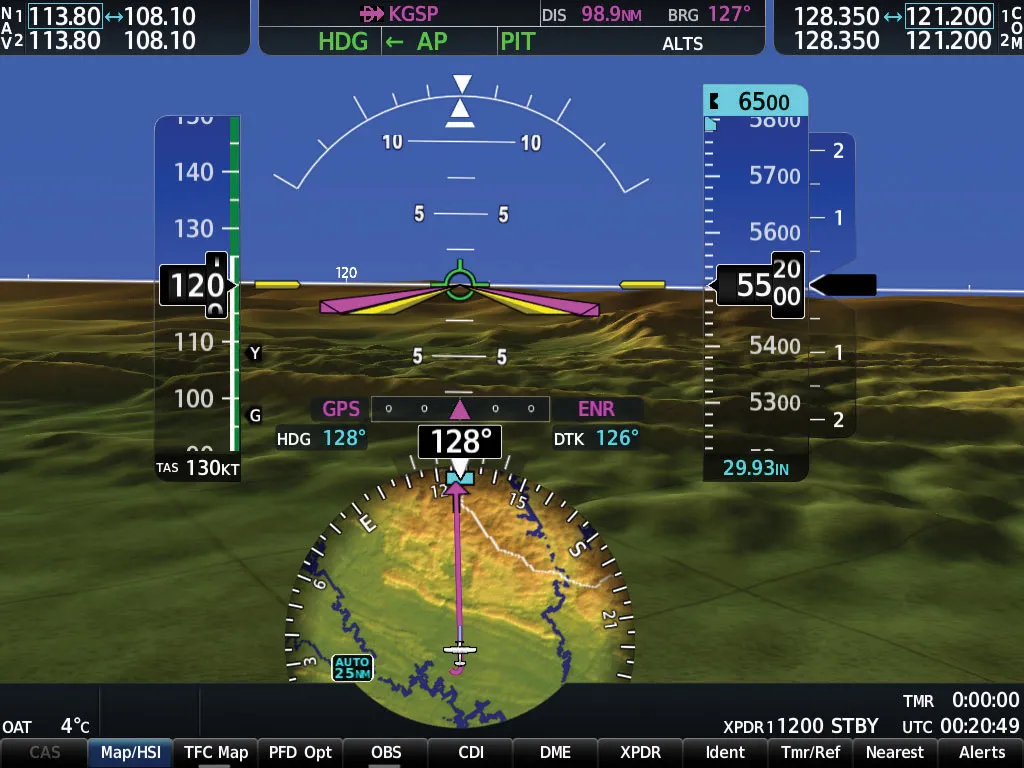
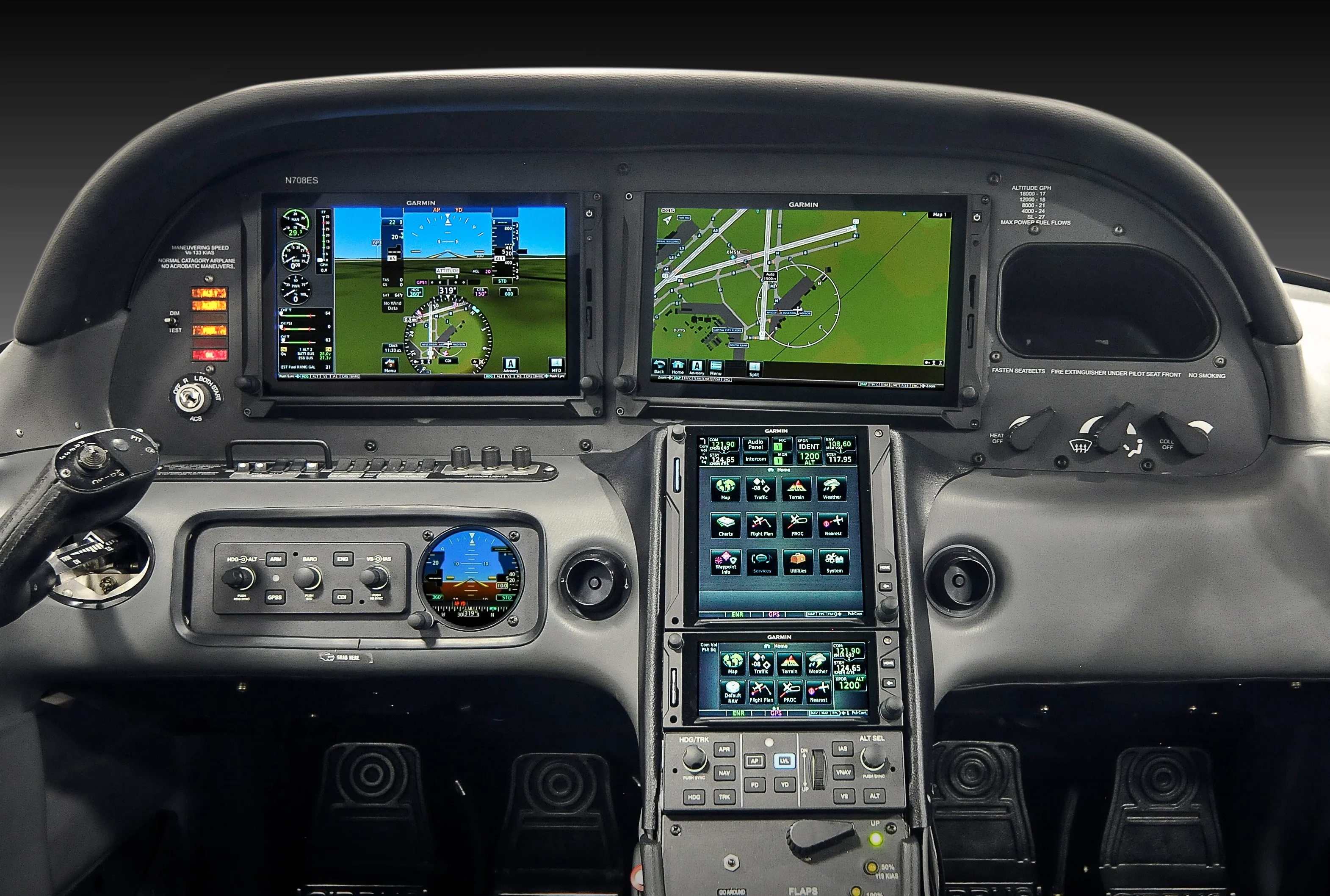
The aviation industry is constantly changing with new technology and updated procedures. A captain must be a lifelong learner, attending regular training sessions to stay current with these advancements. Whether it is a new GPS interface or updated weather radar, staying educated is a requirement for modern command.
Professional development also includes studying past accidents to learn how to avoid similar mistakes. Analyzing data from flight recorders helps the industry identify trends that could lead to future risks. A captain who remains a student of their craft is the most effective safeguard against the many challenges of the sky.
Savannah Aviation has established a legacy of trust and flight excellence through decades of heritage. We provide professional pilot training, aircraft rentals, and expert maintenance for all students. Our school features a highly impressive fleet of advanced trainer aircraft. Take the first step toward your destiny by booking a discovery flight and earn your stripes with us.
Request a personalized discovery flight and experience how professional instruction and careful preparation make learning to fly exciting and rewarding. Our team guides every step to help you build skills safely and confidently.
.webp)







.webp)