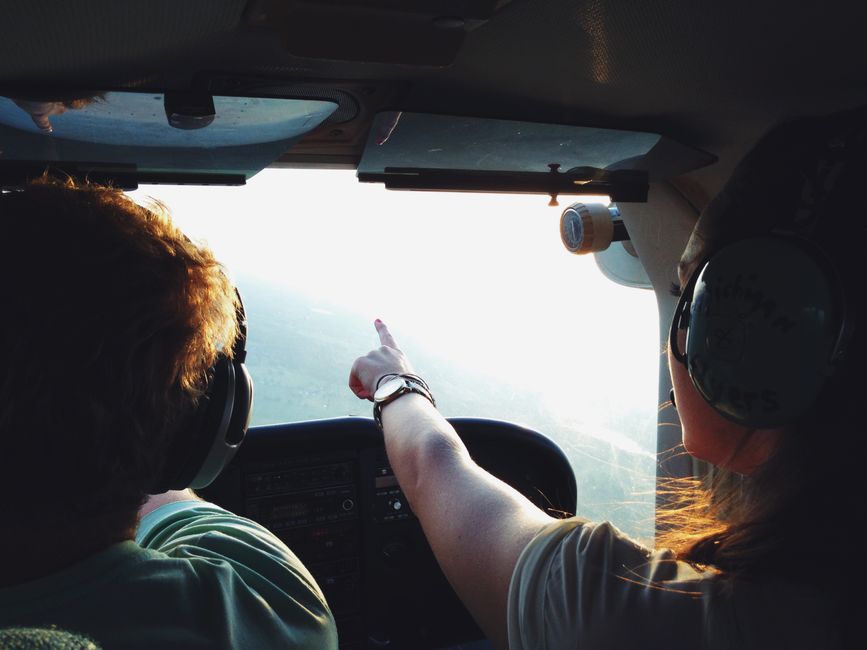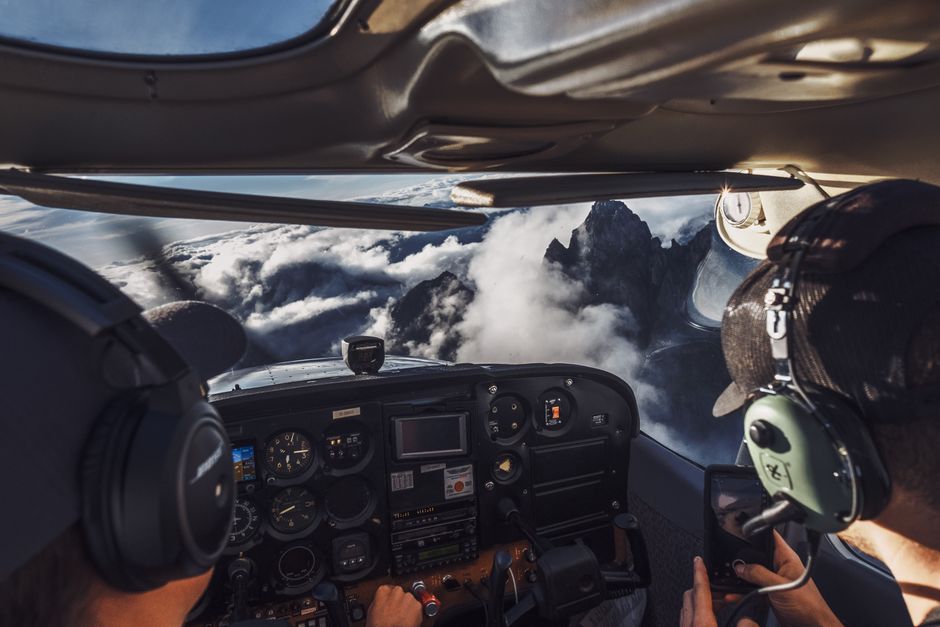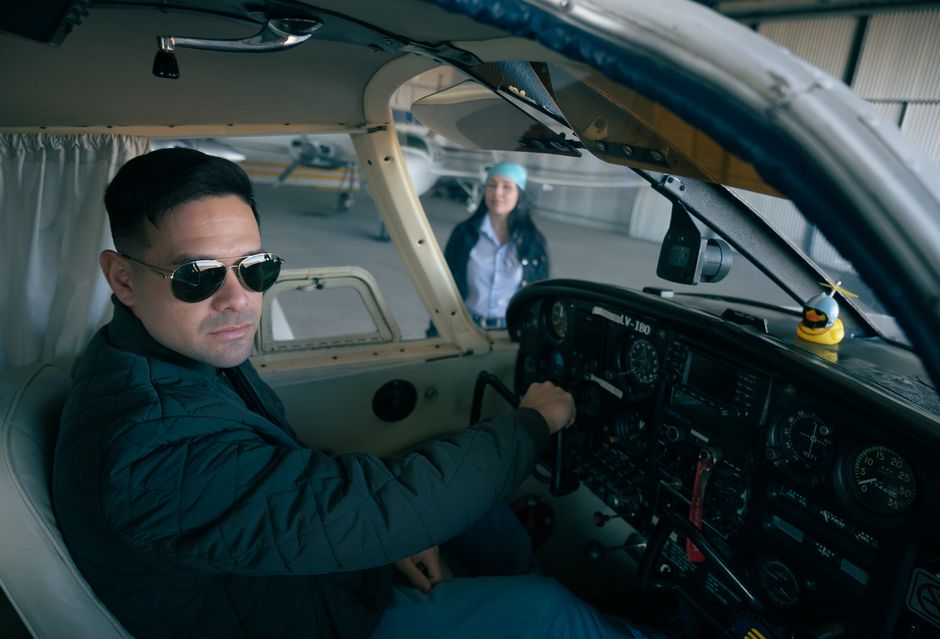
Maintaining your instrument currency is a critical part of being a responsible aviator. Many pilots choose to fly under the hood to practice their maneuvers and approaches while a safety pilot remains vigilant in the right seat. This partnership allows the person at the controls to focus entirely on the flight instruments while the other maintains a constant scan for outside traffic. If you are looking to sharpen these skills or begin your journey, enrolling in a professional flight school provides the structured environment necessary for mastery.
The FAA has strict guidelines regarding who can perform these duties and how time is recorded in your logbook. A pilot operating under simulated instrument flight conditions with a safety pilot must comply with 14 CFR 91.109, which requires the safety pilot to hold at least a private pilot certificate with appropriate category and class ratings. Understanding these nuances is vital for both legality and the overall safety of your flight operations in the busy coastal skies.
Federal aviation regulations dictate that anyone acting as a safety pilot must hold at least a private pilot certificate. This certificate must be valid for the category and class of the aircraft being flown at that specific time. It is not enough to simply sit in the seat; the individual must be legally qualified to operate the plane.
A safety pilot is a required crew member when the other pilot is wearing a view-limiting device. Before the flight, the pilots must agree who will act as pilot in command. If the safety pilot is designated as acting PIC, they may log PIC time for the portion during which they act as safety pilot. If the pilot flying is acting PIC, the safety pilot logs second-in-command time instead. These rules ensure that a second set of eyes is always available to prevent midair collisions and that logging practices comply with federal standards.
Logging time while flying with a partner requires a clear understanding of the specific regulations involved. The person flying under the hood may log simulated instrument flight time because they are controlling the aircraft solely by reference to instruments. This is essential for maintaining the six-month currency required for flying in instrument conditions.
The safety pilot may log pilot-in-command time for the portion during which they act as safety pilot, provided the safety pilot is designated as acting pilot in command before the flight. This occurs because the regulations require a safety pilot as a required crewmember when the other pilot is using a view-limiting device under 14 CFR 91.109. If the pilot flying is designated as acting PIC instead, the safety pilot logs second-in-command time for the safety pilot portion. Accurate logging ensures that your records remain compliant with all current federal standards and training requirements.
Clear communication is the foundation of a safe flight when two pilots share responsibilities. Before the engine starts, both individuals should discuss the specific roles they will play during the mission. This includes who will act as pilot in command for the flight, who will handle radio communications, and what specific terminology will be used for traffic sightings and flight path deviations.
Establishing a sterile cockpit environment during critical phases of flight is another essential practice for any crew. This means avoiding non-essential conversation during taxi, takeoff, and the final approach segment of the mission. Focused attention during these times significantly reduces the risk of errors and ensures that both pilots remain fully situational.
Safety remains the absolute priority when a pilot is practicing maneuvers while deprived of outside visual references. The observer must maintain a rigorous scan of the horizon and the surrounding airspace at all times. They are responsible for identifying other aircraft, terrain, and weather hazards that the practicing pilot cannot see. To experience these sensations firsthand before committing to a full rating, many prospective aviators schedule a discovery flight to get a feel for the cockpit and instrument environment.
Furthermore, the person in the right seat must be prepared to take control of the aircraft if a dangerous situation arises. This transfer of control should be practiced on the ground so that it is instantaneous and clear in the air. Having a pre-briefed plan for emergencies prevents confusion during high-stress moments when transitioning back to visual references.
Using a partner to simulate unexpected equipment failures can greatly enhance your proficiency as an instrument rated pilot. They can act as an evaluator, providing feedback on your ability to hold headings and altitudes precisely. This external perspective is invaluable for identifying small mistakes before they become dangerous habits in your flying.
Structured practice sessions should include a variety of approaches, such as precision and non-precision procedures. Practicing holds and unusual attitude recoveries under the watchful eye of a partner builds muscle memory and confidence. This disciplined approach to training ensures you are ready for any challenges the real world might present.
Scheduling regular training sessions requires coordination and a clear understanding of the costs involved for both parties. Some pilots choose to split the rental costs of the aircraft, making instrument practice more affordable for everyone. Others may hire a professional instructor to ensure the highest level of instructional feedback during their flight.
It is also important to consider the insurance requirements for both individuals operating the aircraft during the session. Many policies have specific language regarding who can act as a required crewmember and under what conditions. Confirming these details beforehand protects both pilots from potential liability in the event of an unforeseen incident.
The geographical location of your training can have a significant impact on the quality of your practice sessions. Coastal areas often provide a mix of clear weather and marine layers that are perfect for practicing approaches in visual meteorological conditions. Selecting an airport with multiple approach types allows for a diverse and challenging curriculum.
Consider the traffic density of the area when planning your practice maneuvers to ensure you have enough space. High-volume environments require even more vigilance from the person in the right seat to maintain separation from other aircraft. Planning your routes carefully ensures that every minute spent in the air is both productive and safe.
Consistency is the most important factor in staying sharp as a pilot who frequently flies in controlled airspace. Setting a monthly schedule for hood work ensures that your skills do not deteriorate during long periods of fair weather. Regular sessions with a partner keep the complex procedures of instrument flight fresh in your mind.
Safety also depends on the airworthiness of your vessel; ensuring your fleet receives regular aircraft maintenance is just as vital as keeping your pilot skills current. Keep a detailed log of the specific approaches and maneuvers you perform during each training session for your records. This documentation serves as proof of your currency and helps you track your progress over many months of flying. A commitment to regular practice is the hallmark of a truly professional and safe aviator.
Savannah Aviation has fostered a legacy of flight excellence for years through our deep commitment to pilot success. We offer professional flight training, aircraft rentals, and comprehensive maintenance for every student. Our team provides an elite level of instructional guidance during every session. Navigate your path toward total cockpit mastery by joining our elite local flight community.
This article addresses simulated instrument training flights (hood work) conducted in visual meteorological conditions. Simulated instrument flight requires that the aircraft remain in visual meteorological conditions throughout the flight. If weather conditions change or the aircraft enters clouds, the pilot must immediately remove the hood and resume visual flight. For flights conducted in actual instrument meteorological conditions, consult current FAA regulations and ensure both pilots hold valid instrument ratings.
Request a personalized discovery flight and experience how professional instruction and careful preparation make learning to fly exciting and rewarding. Our team guides every step to help you build skills safely and confidently.
.webp)





.webp)