Every safe flight begins long before the engine starts, starting with a thorough evaluation of the current atmospheric conditions. For aviators, the primary tool for this task is the metar weather report, a highly standardized format used globally to communicate surface observations. These reports provide a snapshot of the environment at a specific airport, ensuring pilots have the data needed for a secure departure.
Understanding how to read these coded strings is a foundational skill in aviation. Whether you are flying a small trainer or a large jet, the information contained within the metar weather string dictates your performance and safety margins. If you are just starting your journey, booking a discovery flight is the best way to see how pilots use this data in real-time. Mastering this language allows you to visualize the sky and runway conditions before you even arrive at the flight line.
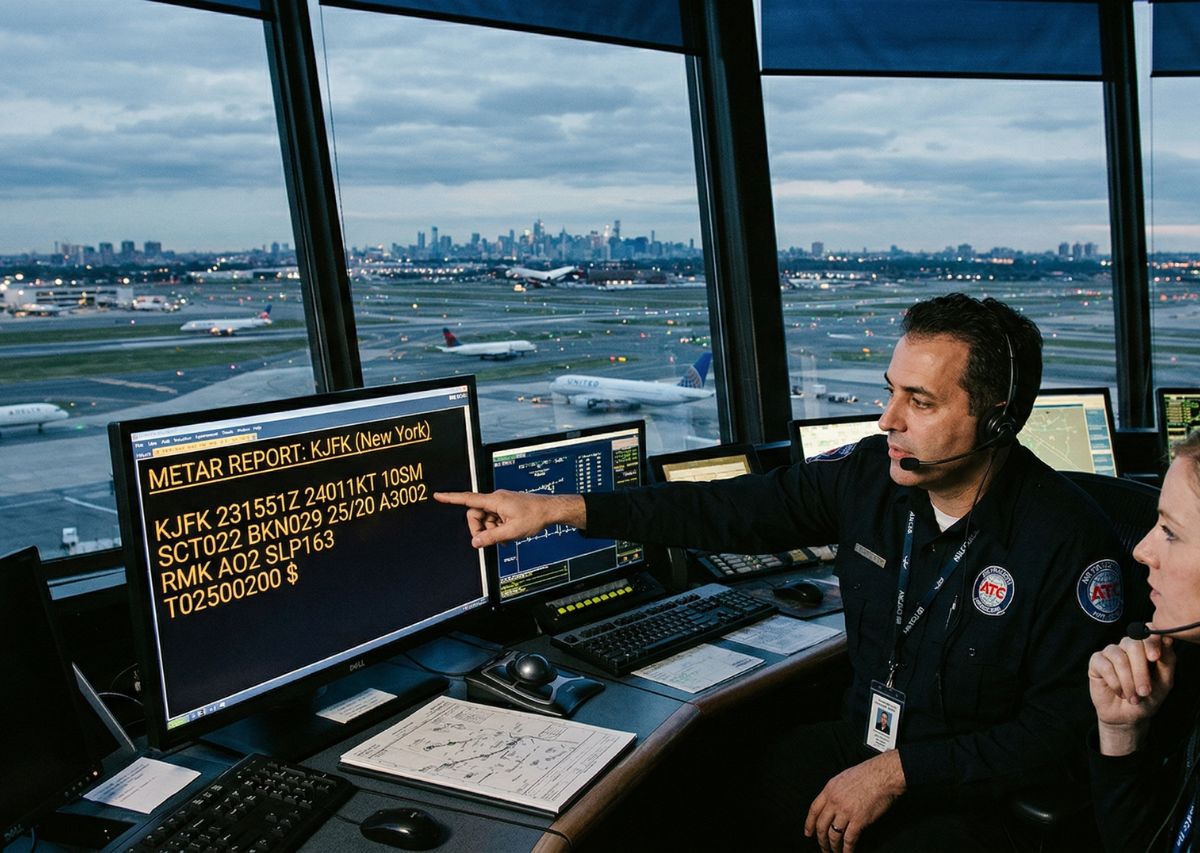
A standard report begins with the station identifier and the date and time of the observation. This ensures that the pilot is looking at the most current data available for their specific location. Following this, the report details the wind direction and speed, which are crucial for calculating crosswind components and determining the most suitable runway for takeoff or landing.
Visibility and present weather phenomena come next in the sequence of information. This section describes whether there is rain, mist, or thunderstorms in the immediate vicinity of the airfield. By accurately interpreting these codes, a pilot can decide if the conditions meet the legal requirements for visual flight rules or if instrument procedures will be necessary for the mission.
Sky condition is perhaps the most visual part of the report, describing the amount and height of cloud layers. Terms like few, scattered, broken, or overcast are used to quantify how much of the sky is covered. The height of the lowest broken or overcast layer defines the ceiling, which is a critical go or no go factor for many.
The report also specifies the temperature and dew point in degrees Celsius. When these two numbers are close together, the risk of fog or carburetor icing increases significantly. Understanding this relationship helps a pilot anticipate changing conditions, such as a sudden drop in visibility that could occur as the sun sets and the air temperature reaches the dew point.
The altimeter setting is a vital piece of data found near the end of the report. Pilots must input this numerical value into their instruments to ensure their altitude readings are accurate relative to sea level. Precise altimeter settings are especially important when flying in mountainous terrain or when executing instrument approaches in low visibility conditions where every foot matters.
Additionally, remarks at the end of the report can provide extra details like lightning, pressure trends, or recent precipitation. These remarks offer a deeper look into the stability of the atmosphere. Watching these trends over several hours helps a pilot predict if the conditions are improving or deteriorating, allowing for much more strategic and safe flight planning throughout the day. To ensure your instruments are responding accurately to these settings, regular aircraft maintenance is essential for every tail number in the fleet.
Visibility is reported in statute miles and is a major component of any aviation weather briefing. If the visibility drops below certain thresholds, specialized equipment may report the runway visual range. This provides a more precise measurement of what a pilot can actually see while moving down the runway, which is critical for heavy aircraft and commercial operations.
Understanding the difference between prevailing visibility and specific runway visibility is key for professional pilots. If the report indicates mist or haze, the pilot must consider how slant range visibility will change during the final approach. Being prepared for these visual shifts ensures that the transition from instruments to visual references is handled with calm and professional precision.
These reports are typically issued every hour, but significant changes can trigger a special report. Pilots must always check the timestamp to ensure they are not relying on outdated information. A report that is fifty minutes old may not reflect a fast moving thunderstorm that has recently arrived at the airfield, making it dangerous for flight.
In addition to the hourly updates, pilots should look at surrounding stations to get a broader view of the weather system. Comparing reports from nearby airports can reveal the movement of fronts or the onset of widespread fog. This holistic approach to weather analysis turns a simple string of text into a powerful tool for maintaining a high level of situational awareness.
Flight students spend a significant amount of time learning to decode these reports without the help of automated translators. This mental exercise ensures that a pilot can still gather vital information even if their electronic flight bag fails. Proficiency in reading the raw data is a hallmark of a well trained and disciplined aviator who prioritizes safety above all else.
Instructors often use historical reports to quiz students on various weather scenarios. By practicing with complex reports that include freezing rain, snow grains, or volcanic ash, pilots become comfortable with even the rarest of codes. This rigorous preparation ensures that when a pilot encounters challenging conditions in the real world, they can react with speed, accuracy, and confidence.
The final step in the process is integrating the report data into the overall flight plan. This includes calculating takeoff distance based on the reported temperature and pressure altitude. It also involves determining if an alternate airport is required based on the forecast and current observations. Every piece of data has a direct impact on the safety of the flight.
By making weather analysis a habitual part of the preflight routine, pilots reduce the risk of being surprised by adverse conditions. A professional pilot never treats the weather as an afterthought. Instead, they use every available resource to build a complete picture of the environment, ensuring that every takeoff results in a safe and predictable landing at their intended destination.
Savannah Aviation has built a legacy of trust and safety through decades of elite flight heritage. We offer professional pilot training, aircraft rentals, and expert maintenance services. Our flight school boasts a highly impressive fleet of modern aircraft for every student. Chart a precise course for your aviation career and earn your wings with us.
Request a personalized discovery flight and experience how professional instruction and careful preparation make learning to fly exciting and rewarding. Our team guides every step to help you build skills safely and confidently.
.webp)







.webp)