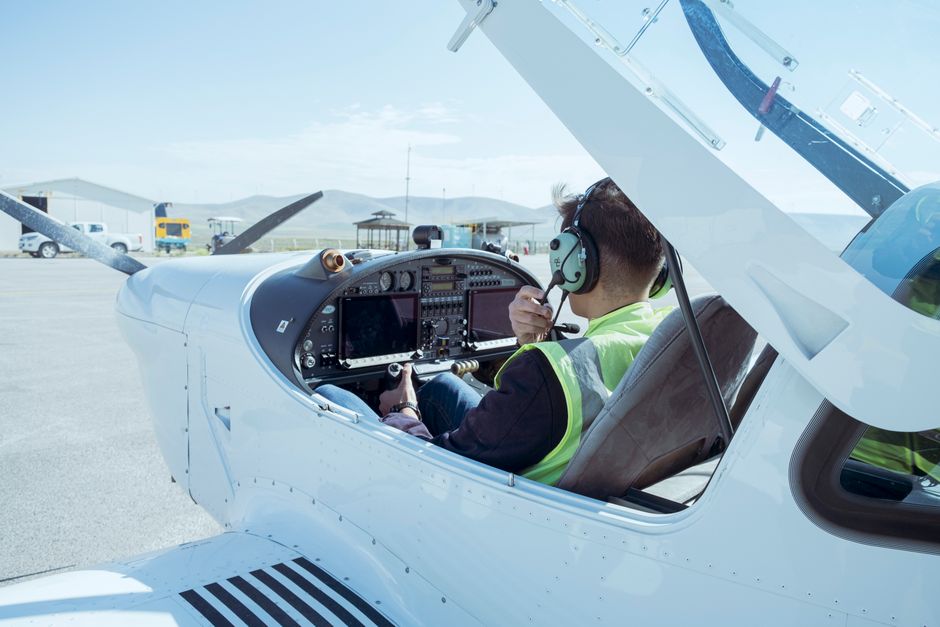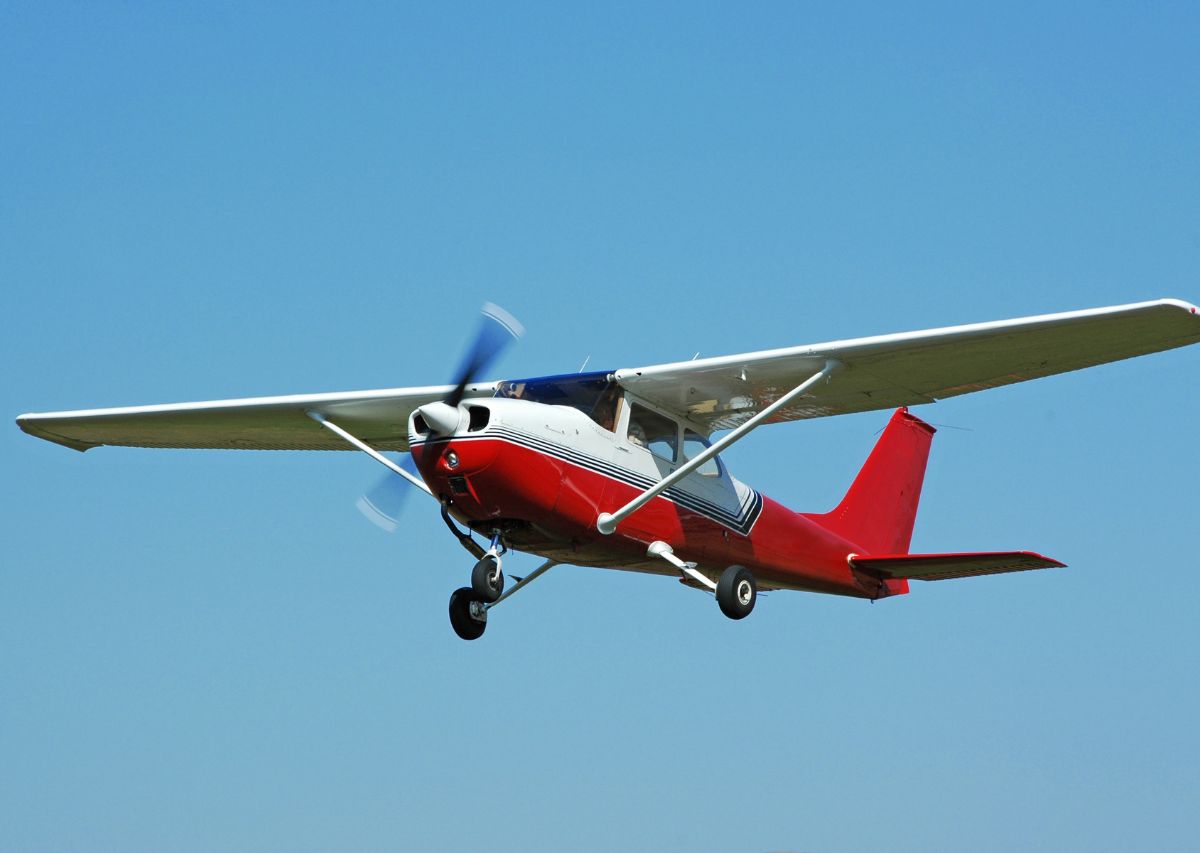
When you walk onto a flight line at almost any municipal airport, you are bound to see the familiar high-wing silhouette of a Cessna 152. This iconic aircraft has served as the classroom for hundreds of thousands of pilots across the globe. Its reputation for being rugged, forgiving, and economical makes it the gold standard for initial flight training and pilot certification.
The design was an evolution of the earlier 150 model, refined to provide better performance and easier maintenance. For decades, it has remained the backbone of general aviation. Aspiring aviators find that the flight characteristics of this plane are perfectly suited for learning the fundamentals of stick and rudder coordination. It remains a favorite for a very good reason.
The airframe of this aircraft is built for durability, featuring an all-metal, semi-monocoque construction that handles the stresses of daily student landings. It is powered by a reliable Lycoming engine that delivers consistent performance in various atmospheric conditions. The high-wing configuration offers excellent downward visibility, which is a significant advantage for students practicing ground reference maneuvers.
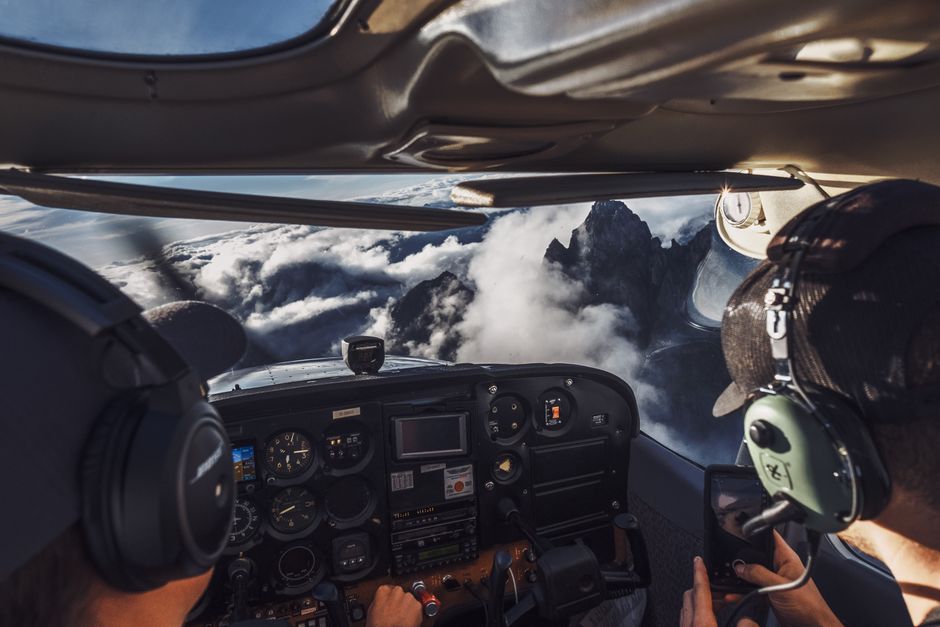
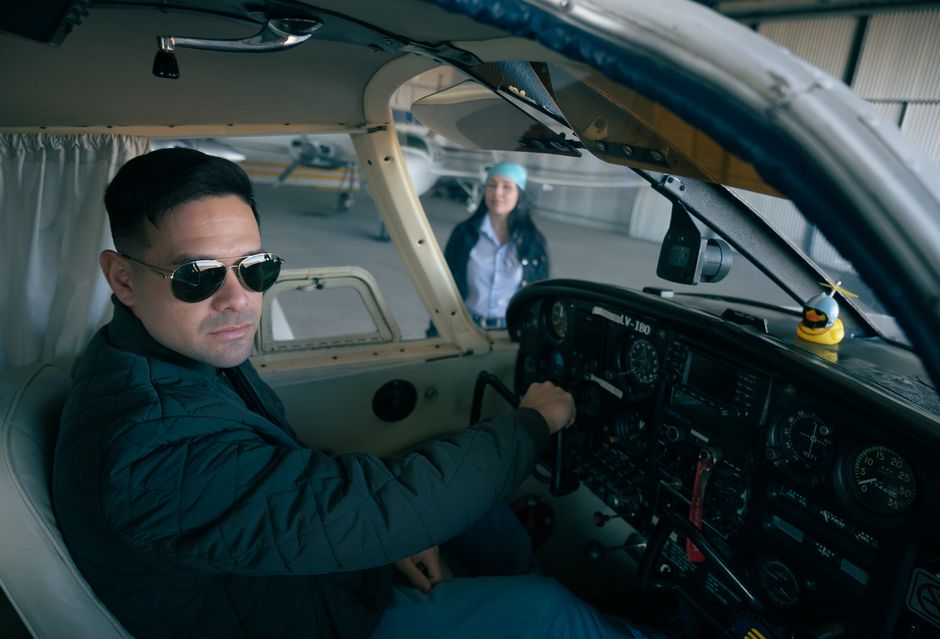
Inside the cockpit, the layout is simple and intuitive. This simplicity allows students to focus on the basics of flight without being overwhelmed by complex systems. The tricycle landing gear setup makes crosswind landings more manageable for beginners. Every aspect of the design reflects a philosophy of safety and practical utility for those just starting their journey.
In the traffic pattern, the aircraft shines due to its predictable handling. It has a relatively low stall speed, which provides a wide safety margin during the approach and landing phases of flight. Pilots often praise its responsiveness, as it provides immediate feedback to control inputs. This tactile connection helps students develop a "seat of the pants" feel for the airplane.
Climb performance is adequate for training environments, and the fuel burn is remarkably low compared to larger four-seat alternatives. This efficiency allows a professional flight school to keep hourly rates affordable, making aviation accessible to a broader audience. Even in high-density altitude situations, the plane remains a steady performer that respects the limitations of the pilot while encouraging growth.
One of the reasons this model has persisted for so long is the ease of maintenance. Parts are readily available, and most aviation mechanics are intimately familiar with the airframe and engine. This widespread support network ensures that downtime is kept to a minimum. For a flight school, a plane that is easy to fix is a plane that stays profitable.
The secondary keywords regarding engine life often mention the 6200 hour mark for certain specialized high-utilization components in specific industrial contexts. Keeping the engine within factory tolerances is straightforward with regular oil changes and inspections. Owners appreciate the low cost of ownership, which makes it a viable option for personal time building or weekend cross-country trips.
The two-seat configuration creates an intimate learning environment where the instructor and student are within easy reach of all controls. While the cabin is cozy, it encourages proper cockpit management and organization. Students learn early on how to keep their charts, kneeboards, and tools within a limited space, a skill that serves them well in larger cockpits.
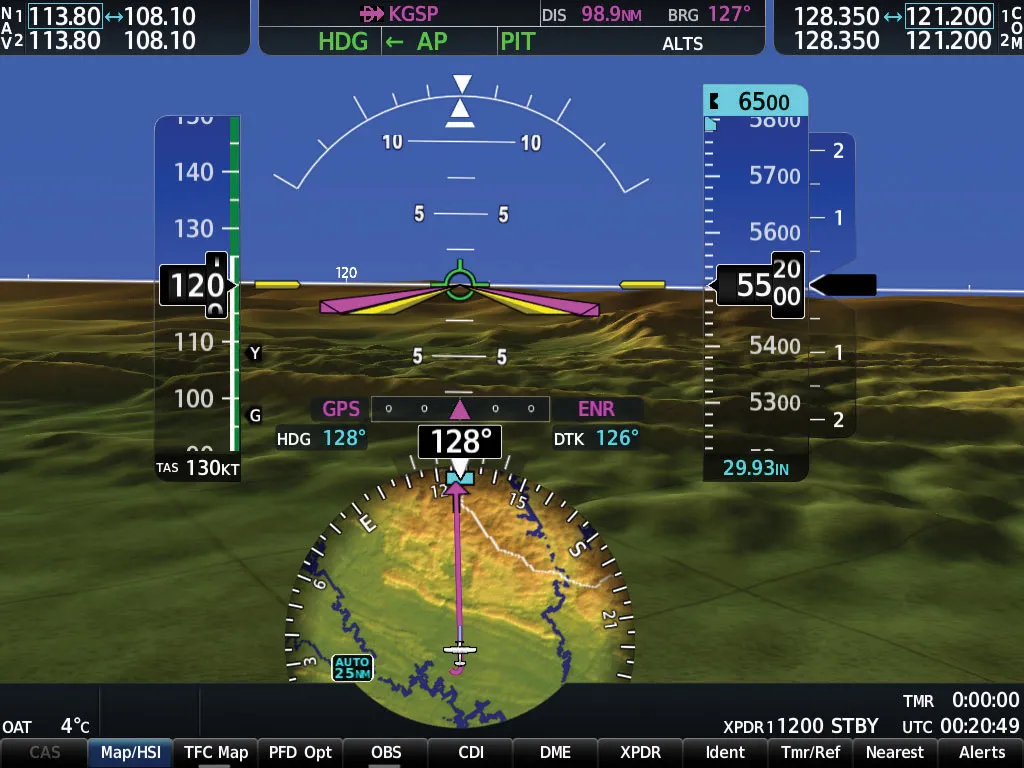
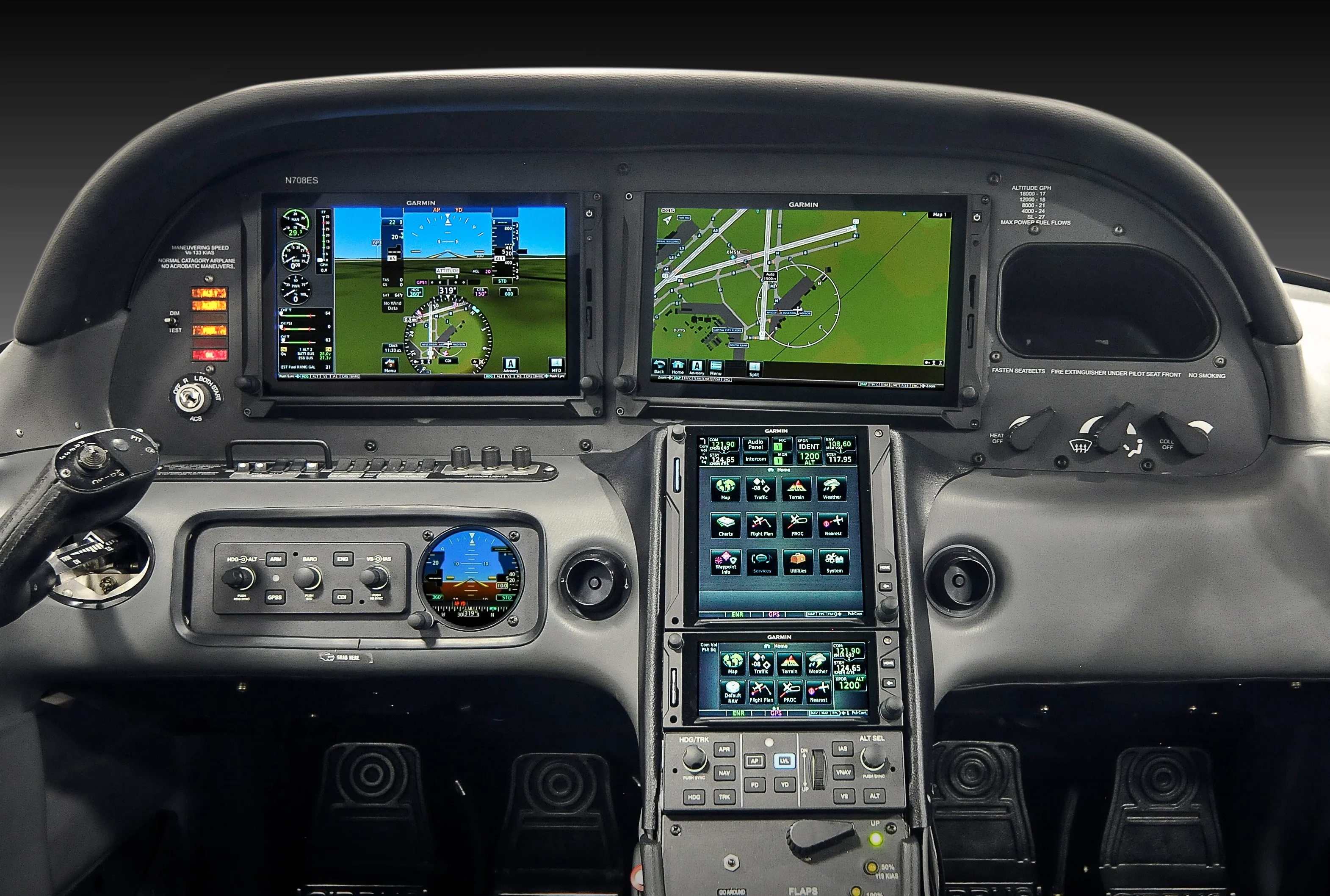
Instrumentation is usually a standard "six-pack" of analog gauges, though many have been upgraded with modern GPS units. Learning on round dials is often considered superior for developing a strong primary scan. By the time a student masters this layout, they have a solid foundation in situational awareness. This classic setup is the purest form of transition into professional aviation.
While primarily a trainer, this aircraft is more than capable of handling cross-country flights. Its range is sufficient for reaching regional airports without the need for constant refueling stops. Pilots can practice navigation, fuel management, and communication with air traffic control while enjoying a stable cruise. It is a fantastic platform for building the hours required for higher ratings.
The baggage compartment is surprisingly spacious for a two-seat airplane, allowing for overnight bags or emergency gear. Flying over varied terrain proves that the airframe is versatile and hardy. Whether flying over flat plains or rolling hills, the pilot feels a sense of confidence in the machine. It is a true "go-anywhere" light aircraft for those who appreciate the journey.
The safety record of this aircraft is among the best in the light GA category. Its slow approach speeds and robust construction protect occupants in the event of an off-field landing. Decades of data prove that it is one of the safest platforms for teaching stalls, spins, and emergency procedures. This peace of mind is invaluable to both students and their families.
Insurance companies often view this model favorably due to its proven track record. This leads to lower premiums for schools and private owners alike. When a plane is this predictable, the risks associated with training are significantly mitigated. Trust is earned over millions of flight hours, and this aircraft has certainly earned its place at the top of the list.
After earning a private pilot certificate in this aircraft, many pilots find the transition to larger planes like the Cessna 182 or 210 to be very natural. The systems logic remains consistent across the Cessna family. However, the lessons learned in the smaller trainer stay with a pilot forever. It teaches precision and finesse that can sometimes be lost in heavier, more automated aircraft.
Even airline captains often look back fondly on their time in the two-seater. There is a certain joy in the simplicity of hand-flying a light plane on a calm evening. For those pursuing an instrument rating, the stable platform serves as an excellent tool for learning to fly by reference to instruments. It is truly a versatile stepping stone for any aviation career.
As new electric and composite trainers enter the market, the metal Cessna remains a formidable competitor. Its proven longevity means that many of these planes will still be flying decades from now. Refurbishment projects often include new interiors, paint, and glass cockpits, bringing these classic machines into the modern era. They are an investment in the future of flight.
The community of owners and enthusiasts is vast, providing a wealth of knowledge for anyone looking to buy or maintain one. Online forums and type clubs offer support for every technical challenge imaginable. This sense of community is part of what makes owning one so rewarding. It is not just an airplane; it is an entry into a passionate group of aviators.
Choosing the right aircraft for your training is a pivotal decision. The Cessna 152 offers a blend of safety, economy, and educational value that is hard to beat. It challenges the student to become a better pilot while providing the reliability needed to complete a rigorous syllabus. It is a machine that rewards good technique and builds lasting confidence in the cockpit.
As you look toward the horizon, consider the platform that has launched a million careers. Whether your goal is to fly for a major airline or simply to enjoy the freedom of the weekend skies, finding an affordable aircraft rental for this model is the perfect partner. Start your journey in a plane that is as dedicated to your success as you are. The sky is waiting for you.
Savannah Aviation carries a long heritage of excellence in flight training and aircraft maintenance for all aspiring pilots. We provide a full suite of services including private pilot courses, commercial ratings, and certified engine repairs. Our team maintains an elite fleet of trainers to ensure you have the safest and most reliable tools for your success. Set your flight plan toward a professional future and throttle up for your first solo.
Request a personalized discovery flight and experience how professional instruction and careful preparation make learning to fly exciting and rewarding. Our team guides every step to help you build skills safely and confidently.
.webp)







.webp)