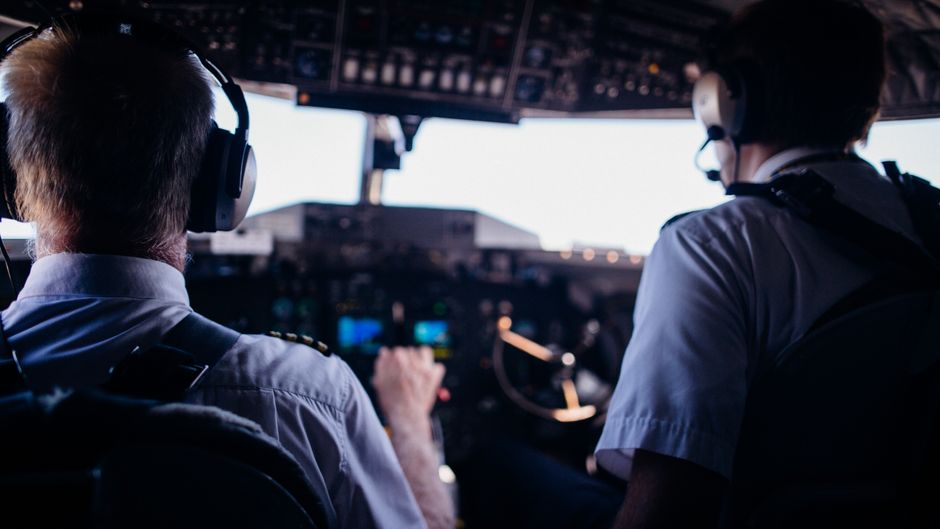
Becoming a military pilot is one of the most challenging yet rewarding career paths in the world of aviation. It requires a unique combination of physical fitness, mental sharpness, and an unwavering commitment to service. From the moment a candidate enters officer training, they are held to the highest standards of discipline and professional conduct.
The journey involves mastering complex aircraft systems and high pressure tactical maneuvers. Whether operating a fighter jet or a transport plane, the military pilot must maintain total situational awareness. This role is not just about flying; it is about leadership, and many begin their journey by experiencing a professional flight school introductory session to test their aptitude and the ability to execute critical missions under extreme conditions.
Every individual wishing to fly for the armed forces must first become a commissioned officer. This process involves intense academic study and physical conditioning designed to build character and leadership. Candidates learn the importance of the chain of command and how to manage teams in high stress environments before ever touching flight controls.
Success in officer training proves that a candidate has the grit necessary for the cockpit. This phase filters out those who cannot handle the rigorous mental demands of the profession. Once commissioned, the new officer is ready to begin the technical phase of their education, focusing on the physics and mechanics of flight.
Before taking to the skies, a student must master the theoretical aspects of aviation. Ground school covers everything from advanced meteorology to complex federal aviation regulations. Understanding how weather patterns affect low level flight is crucial for a mission focused aviator. This phase requires hundreds of hours of dedicated study and testing.
Aerodynamics and propulsion systems are also major components of the curriculum. Students must understand how their specific aircraft will react in various configurations and altitudes. This deep technical knowledge, often supported by understanding advanced aircraft maintenance, ensures that the future aviator can troubleshoot mechanical issues in real time. Excellence in ground school is a prerequisite for advancing to primary flight training.
The first time a student takes the controls, they focus on basic airmanship and safety protocols. Learning to fly a standard trainer aircraft builds the muscle memory needed for more advanced platforms. Instructors emphasize precision in every turn, climb, and descent. Every movement must be calculated and deliberate to meet the high standards.
During this phase, students learn to handle stalls, spins, and emergency landings. These drills are repeated until they become second nature. Mastering the fundamentals of takeoffs and landings in various wind conditions is essential. Only after demonstrating total control of the primary trainer can a student move toward specialized aircraft tracks.
A successful aviator spends more time planning a mission than they do in the air. This involves analyzing terrain, fuel requirements, and potential threats along the flight path. Every detail must be accounted for to ensure the safety of the crew and the success of the objective. Precision planning is what separates professional aviators.
During the mission, the pilot must be able to adapt to rapidly changing situations. If a target is obscured or a mechanical issue arises, the pilot must make a split second decision based on their training. This mental flexibility is developed through years of simulated exercises and debriefing sessions where every action is scrutinized.
The physical toll of flying high performance aircraft is significant. Pilots must maintain high levels of cardiovascular health to withstand the intense forces of acceleration. Regular exercise and proper nutrition are mandatory parts of the daily routine. A pilot who is not at peak physical health risks losing consciousness during high speed maneuvers.
In addition to physical strength, pilots must pass regular physiological training. This includes sessions in altitude chambers to recognize the early signs of hypoxia. Understanding how the body reacts to low oxygen levels is a life saving skill. Staying healthy ensures that the pilot remains an asset to their unit for a full career.
Many aviators eventually choose to transition into the civilian sector after their service ends. The discipline and technical skills gained in the armed forces are highly valued by commercial airlines and corporate flight departments. These pilots are known for their reliability and their ability to handle complex aircraft systems with ease and professional grace.
The transition process involves obtaining civilian certificates and ratings from the federal aviation authorities. While the flying skills are already present, pilots must learn the nuances of civilian airspace management and commercial operations. This bridge between two worlds allows veterans to continue their passion for flight while contributing to the global transportation industry.
As an aviator advances in rank, they take on more significant leadership responsibilities. They become instructors, flight leads, and eventually squadron commanders. In these roles, they are responsible for the training and safety of dozens of junior officers and maintenance personnel. Leadership in the air translates directly to effective management on the ground.
Mentoring the next generation is a vital part of the culture. Senior pilots share their experiences and lessons learned to prevent future mistakes. This continuous cycle of learning and teaching keeps the aviation community safe and effective. A commitment to leadership ensures that the traditions of excellence are passed down to every new student.
High ethical standards are non negotiable for anyone in the cockpit. Pilots are entrusted with expensive equipment and, more importantly, the lives of their teammates. Maintaining integrity in all aspects of life is essential for earning the trust of the crew. This professional conduct extends to how they interact with ground crews and support staff.
Adhering to safety regulations even when no one is watching is the hallmark of a true professional. Skipping a checklist or ignoring a minor mechanical issue can have catastrophic consequences. By maintaining a disciplined approach to every flight, the pilot ensures that they are always operating within the safest possible margins for the mission.
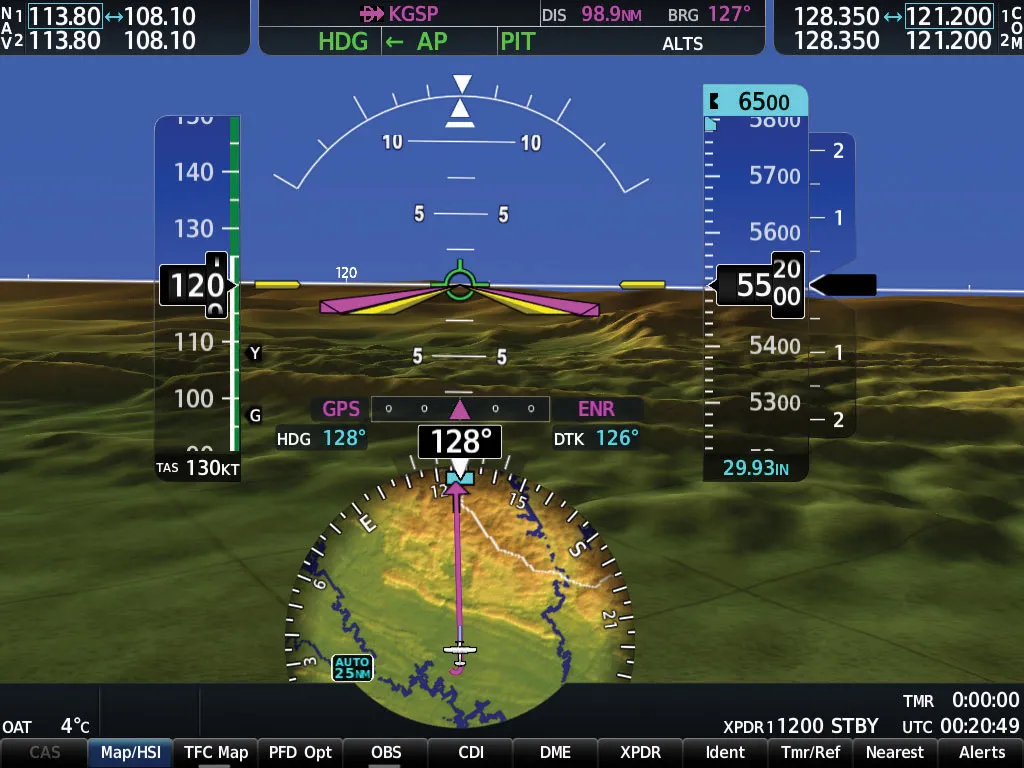
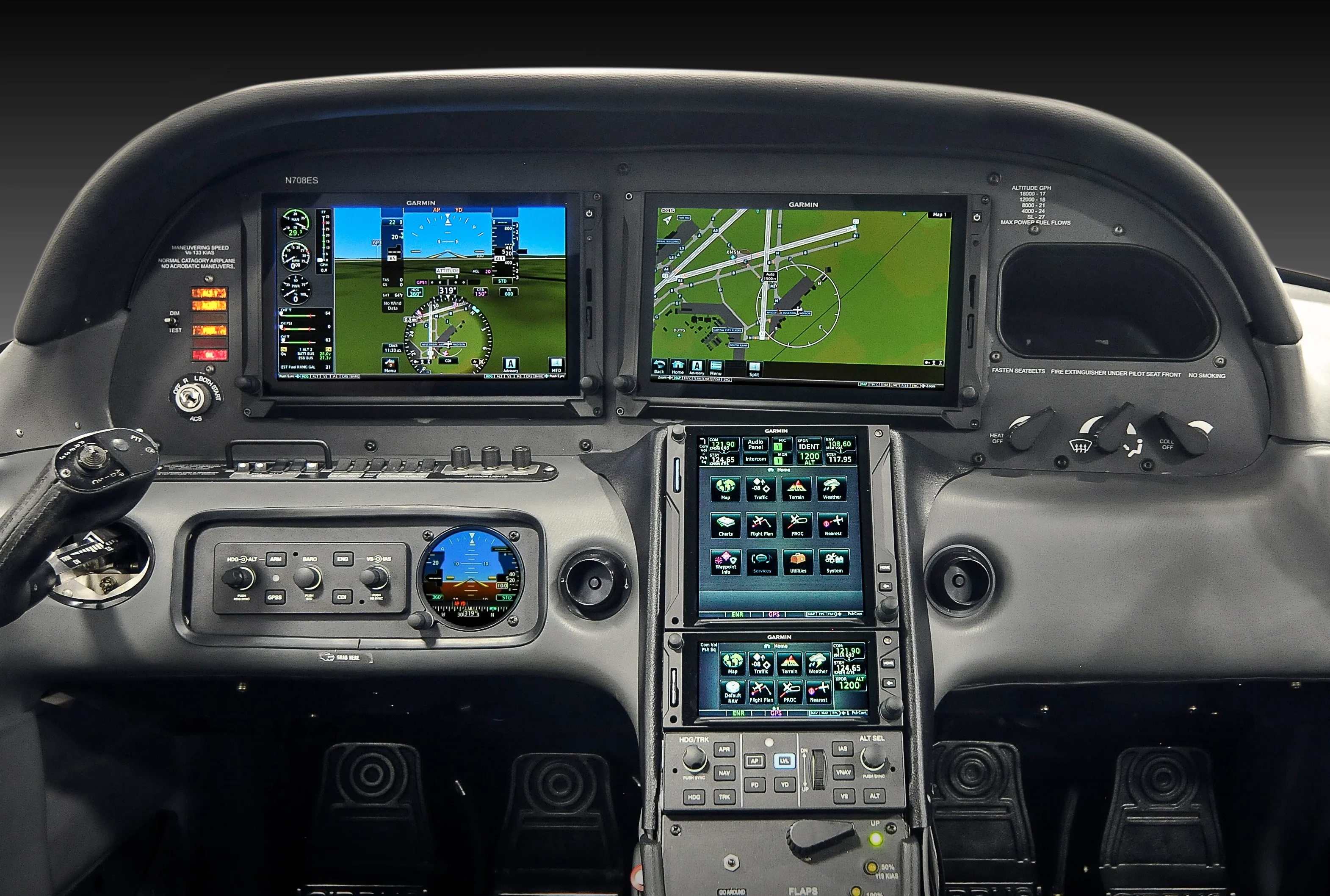
The world of flight is constantly evolving with the introduction of new technology and automated systems. Aviators must remain lifelong students to keep up with these changes. From advanced cockpit displays to remotely piloted aircraft, the landscape of the profession is shifting. Embracing these advancements is necessary for maintaining a competitive edge in the sky.
Training now includes a heavy focus on computer systems and data management. Modern aircraft are essentially flying computers that require a high degree of digital literacy to operate effectively. By mastering these new tools, pilots can perform their duties with even greater precision and efficiency than ever before. The future of flight belongs to those who adapt.
Savannah Aviation has built a legacy of trust and flight excellence through decades of local heritage. We offer professional pilot training school services, aircraft maintenance, and expert rental services. Our school features a highly impressive fleet of advanced trainer aircraft. Secure your future in the clouds and earn your wings with our dedicated team.
Request a personalized discovery flight and experience how professional instruction and careful preparation make learning to fly exciting and rewarding. Our team guides every step to help you build skills safely and confidently.
.webp)





.webp)