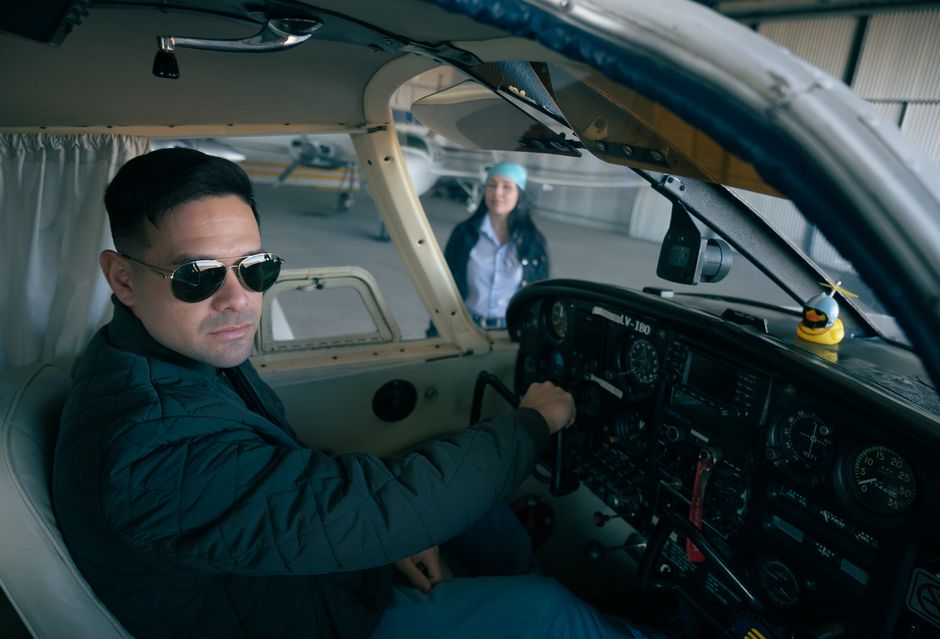
Before you can take command of an aircraft, you must prove that you are physically and mentally fit for the rigors of flight. Obtaining an FAA medical certificate is one of the very first steps in any pilot's journey. This document serves as official proof that you meet the health standards set by the Federal Aviation Administration. If you are just starting out, visiting a reputable flight school is the best way to get guidance on finding an examiner and beginning your training.
Without a current medical standing, your pilot license is essentially grounded. The process involves a physical examination by a designated Aviation Medical Examiner. Whether you are aiming for a hobbyist license or a career with the major airlines, understanding these health requirements ensures that you stay safe and legal while navigating the busy skies above.
The FAA categorizes medical fitness into three distinct classes based on the type of flying you intend to do. A First Class certificate is the gold standard, required for airline transport pilots. It has the most stringent requirements, especially regarding vision and cardiovascular health, to ensure safety during long-haul commercial operations.
Second Class certificates are typically for commercial pilots who fly for hire but are not necessarily in an airline transport role. This includes flight instructors, corporate pilots, and crop dusters. While slightly less demanding than the First Class, it still requires a high level of physical readiness to manage daily professional flight duties.
Finally, the Third Class certificate is designed for private and student pilots. This is often the starting point for most aviators. It ensures that recreational flyers possess the basic health necessary to operate a light aircraft safely. Understanding which class you need is the first step in scheduling your appointment with an examiner.
The journey toward your certification begins online through the FAA MedXPress portal. This digital system allows you to complete the initial application and medical history forms before you ever step into the doctor's office. You will provide details about past surgeries, medications, and any chronic health conditions that might affect your performance.
Once the form is submitted, you receive a confirmation number that you must bring to your appointment. It is vital to be honest and thorough during this phase. Accuracy prevents delays in the processing of your file. This digital pre-check streamlines the physical exam and helps the medical examiner focus on the most relevant areas.
During the actual appointment, the Aviation Medical Examiner will conduct a series of tests to verify your fitness. This includes a vision test to ensure you can see clearly both near and far. If you wear glasses or contacts, you must bring them along, as the examiner will test your corrected vision to meet the standards.
The examiner also checks your hearing, blood pressure, and general physical coordination. They listen to your heart and lungs to ensure there are no underlying issues that could cause incapacitation at high altitudes. For older pilots or those seeking a First Class rating, an electrocardiogram might be required to monitor heart health more closely.
Vision is perhaps the most critical component of the medical exam. Pilots must have 20/20 distant vision for First and Second Class certificates, though corrective lenses are allowed. Third Class pilots only need 20/40 vision. Color vision is also tested to ensure you can properly identify light signals and cockpit displays during night operations.
Hearing is equally important for maintaining clear communication with air traffic control. You must be able to hear a whispered voice from a distance of six feet. If you have significant hearing loss, specialized tests or equipment may be required to prove you can still safely manage the radio and identify aircraft warning sounds.
Certain medical conditions can lead to an automatic disqualification or require a special issuance. Issues like poorly controlled diabetes, certain heart conditions, or a history of substance abuse are scrutinized heavily. However, many pilots with managed conditions can still fly if they provide additional documentation and undergo extra testing to prove their stability.
Mental health is another area the FAA monitors closely. Conditions such as severe depression or bipolar disorder are often disqualifying in their current state. The goal is to ensure that every pilot in the sky is mentally sharp and emotionally stable. Being proactive about your health and consulting with your doctor can help you navigate these hurdles.
An FAA medical certificate is not a permanent document; it must be renewed at regular intervals. The frequency of renewal depends on your age and the class of medical you hold. For example, a First Class medical for a pilot under age 40 lasts for 12 months, but it drops to six months once they turn 40.
Staying on top of these dates is a mandatory part of pilot currency. Flying with an expired medical is a serious violation that can lead to fines or the suspension of your certificates. Once you have secured your medical, you can focus on logistical needs like aircraft rental to build your hours and maintain your proficiency.
For many general aviation pilots, BasicMed offers a streamlined alternative to the traditional medical process. If you have held a valid medical at any point after July 2006, you may be eligible to fly under these rules. It allows you to use your regular primary care physician for the exam instead of a designated examiner.
BasicMed has certain limitations, such as flying aircraft with a maximum of six seats and staying below 18,000 feet. It is a fantastic option for pilots who fly primarily for recreation and want to simplify their regulatory burden. It encourages regular health checkups without the high-pressure environment of a formal FAA medical examination.
The AME is more than just a doctor; they are a gatekeeper for aviation safety. These professionals are specially trained by the FAA to understand the unique physiological demands of flight. They work with pilots to identify health risks before they become dangerous. Building a good relationship with your examiner is highly beneficial.
A good examiner will guide you through the paperwork and help you understand what documentation is needed for a special issuance. They are advocates for safety who want to see you stay in the cockpit. If you have concerns about your health, discussing them openly with your AME is the best way to find a path forward.
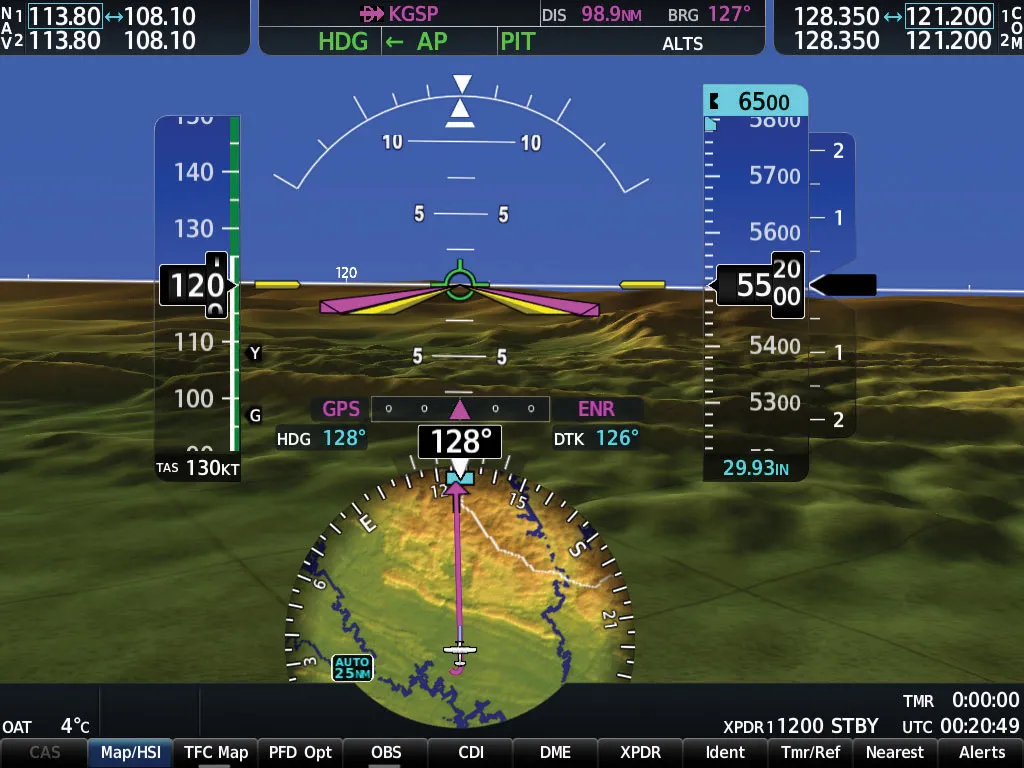
Atmospheric pressure changes as you climb, which can have an impact on your body. At an altitude of 1600 feet, the effects are minimal, but as you climb higher, the risk of hypoxia or trapped gas increases. Your medical exam ensures that your circulatory and respiratory systems can handle these pressure changes without failing.
Pilots must be aware of how their bodies react to altitude. Dehydration happens faster in the dry air of a cockpit, and underlying sinus issues can become painful during a rapid descent. Your medical certification is a baseline that proves you are starting from a healthy place, allowing you to manage these environmental stressors effectively.
There are many myths suggesting that any minor health issue will end a pilot's career. In reality, the FAA is becoming more flexible with many conditions as medical technology improves. Many pilots fly with waivers for vision, hearing, or even certain heart conditions. The key is demonstrating that the condition is stable and well-managed.
Another myth is that you cannot take any medication as a pilot. While many drugs are prohibited, there are hundreds of approved medications for everything from high blood pressure to seasonal allergies. Always consult with your examiner before starting a new prescription to ensure it does not compromise your ability to hold a valid medical status.
Maintaining your health is a year-round commitment, not just something to think about once a year. Regular exercise, a balanced diet, and adequate sleep are the best ways to ensure you pass your next medical without any issues. Pilots who take care of their bodies often enjoy much longer and more successful careers in the sky.
Avoid smoking and excessive alcohol consumption, as these can lead to long-term cardiovascular and neurological problems. Remember that as a pilot, you are the most important component of the aircraft. Keeping yourself in top condition is just as important as keeping the engine tuned and the wings clean for every single departure.
Savannah Aviation has built a legacy of trust by providing elite flight training and expert maintenance services for decades. We offer comprehensive pilot programs, engine overhauls, and aircraft rentals to help you reach your goals. Our fleet features the Cessna 172 with advanced avionics for an impressive training experience. Clear the final health hurdles and prepare for departure today.
Request a personalized discovery flight and experience how professional instruction and careful preparation make learning to fly exciting and rewarding. Our team guides every step to help you build skills safely and confidently.
.webp)








.webp)