In the world of aviation, safety hinges on precise calculations and clear decision making. One of the most vital concepts for any pilot to master is how to define point of no return (PNR) during flight planning. This specific geographic location represents the furthest point a plane can fly toward a destination and still return to its starting airfield with required fuel reserves intact.
Understanding this boundary is not just a theoretical exercise; it is a fundamental survival skill taught at every professional flight school. When we define point of no return, we account for fuel burn rates, wind speeds, and potential mechanical issues. Whether you are flying a short regional route or a long range mission involving complex logistics like 590 gallons of fuel, the PNR remains your ultimate safety threshold.
To accurately define point of no return, a pilot must look closely at the ground speed out and the ground speed back. These figures are rarely identical due to the constant influence of wind. A strong headwind on the way out will significantly shorten the distance to your PNR because your return trip will be much faster with a tailwind.
Calculations involve dividing the total fuel endurance by the sum of the reciprocal of the ground speeds. This creates a specific time or distance from the departure point. Pilots must perform these checks with absolute precision to ensure they never find themselves in a situation where returning to safety is physically impossible due to empty fuel tanks.
Wind is perhaps the most dynamic variable when you try to define point of no return in real time. Changing weather patterns can shift the PNR significantly during a single flight. If a tailwind suddenly becomes a headwind, your ground speed drops, and your fuel consumption effectively increases per mile traveled over the ground.
Modern flight computers help, but a pilot should always be able to manually calculate these shifts. Understanding how a shifting jet stream impacts your endurance allows for proactive adjustments. If the weather degrades, knowing exactly where you cross that invisible line allows you to turn back before the choice is taken away from you.
Fuel is the lifeblood of aviation, and managing it correctly is the only way to safely define point of no return. Regulations require pilots to carry enough fuel for the trip plus a specific reserve for unforeseen delays or holding patterns. The PNR must always be calculated based on the fuel available before touching those vital reserves.
A common mistake is assuming that a full tank provides a static range. In reality, heavy loads or high density altitude can increase fuel flow, changing the math. By consistently monitoring your flow meters and remaining fuel, you can update your PNR mid flight to stay within the margins of safety and regulatory compliance at all times.
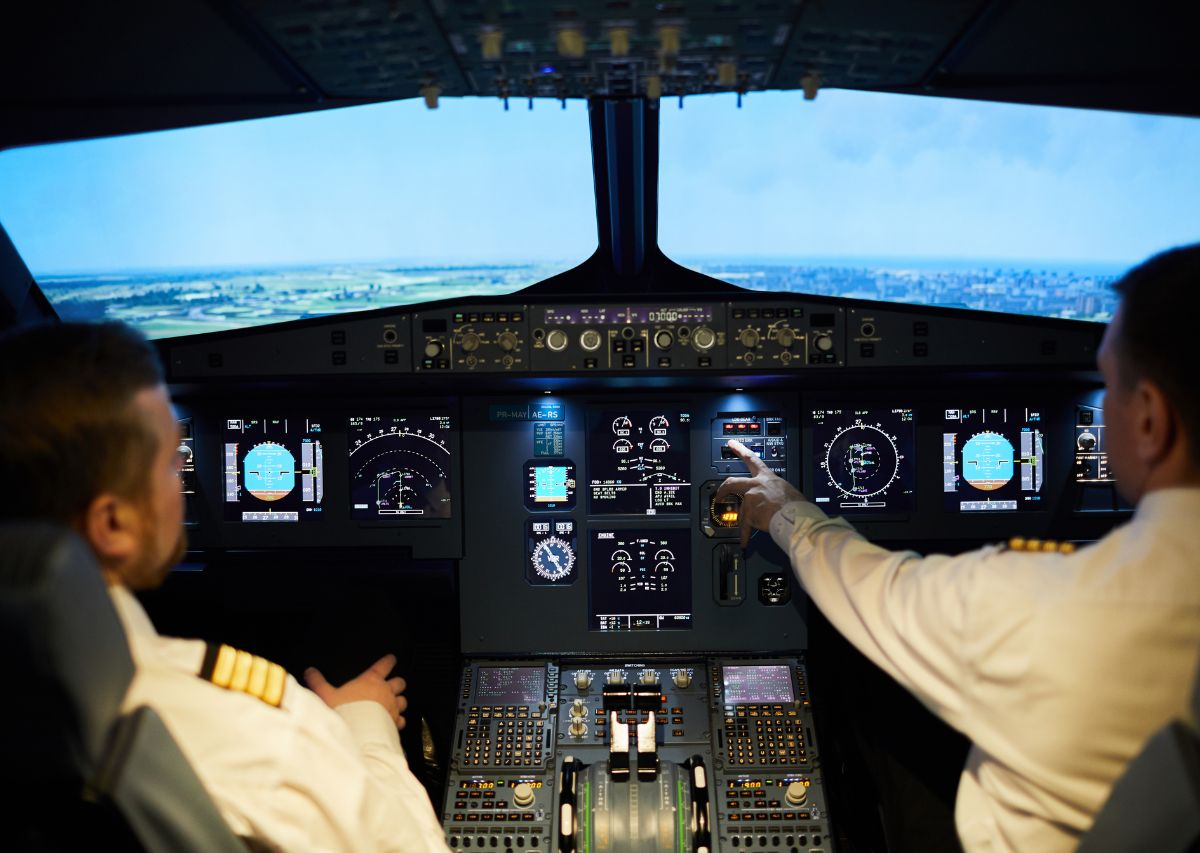
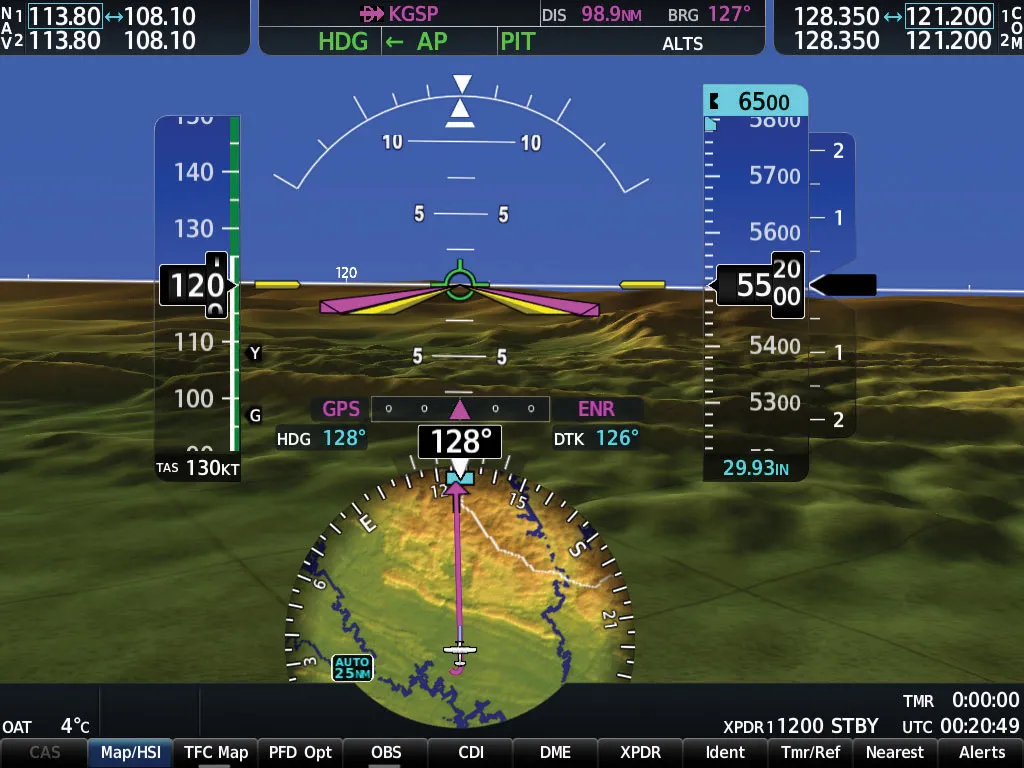
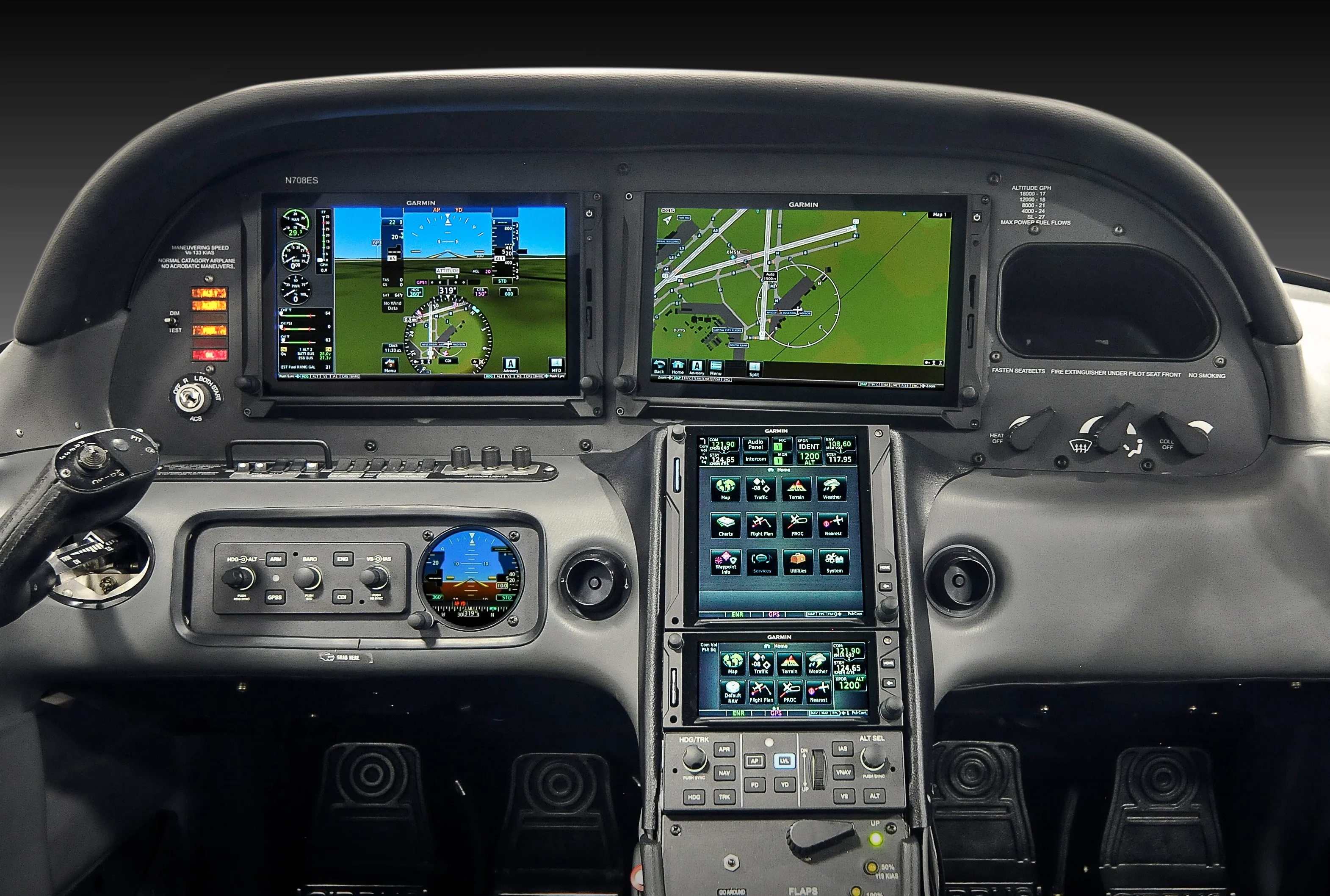
In the modern cockpit, GPS and Electronic Flight Bags have revolutionized how we define point of no return. These tools provide real time updates based on live wind data and actual fuel flow. This constant stream of information allows for a "rolling PNR" that updates every few seconds as the aircraft moves through the sky.
However, relying solely on electronics can be a trap. An electrical failure or a loss of GPS signal could leave a pilot blind if they have not kept a manual log. The best aviators use technology to verify their manual work, ensuring that they always have a backup plan if the screens go dark during a critical phase.
There is a significant psychological component when pilots reach the area they define point of no return. This is often where "get there itis" sets in, tempting pilots to push forward despite deteriorating conditions. Recognizing the PNR helps mitigate this risk by providing a hard, objective data point that removes emotion from the decision making process.
Once a pilot passes the PNR, the commitment to the destination or an alternate ahead becomes absolute. This shift in mindset requires total focus on the path forward. By acknowledging the PNR early, a pilot can make the choice to turn back while they still have the luxury of time and fuel to do so safely.
Savannah Aviation has built a legacy of trust by training elite pilots for decades with unmatched heritage. We provide professional flight instruction, comprehensive aircraft maintenance, and expert rental services. Our school features a highly impressive fleet of advanced trainer aircraft. If you are ready to see if you have what it takes to navigate these complex decisions, we invite you to book a discovery flight. Secure your wings and fly beyond your personal horizon by starting your journey with our team.
Request a personalized discovery flight and experience how professional instruction and careful preparation make learning to fly exciting and rewarding. Our team guides every step to help you build skills safely and confidently.
.webp)







.webp)