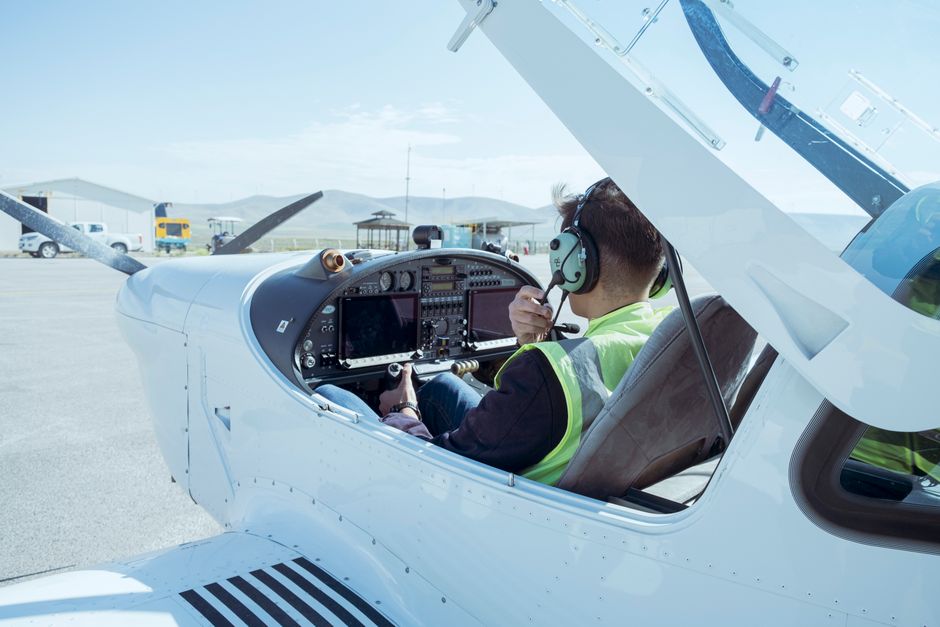
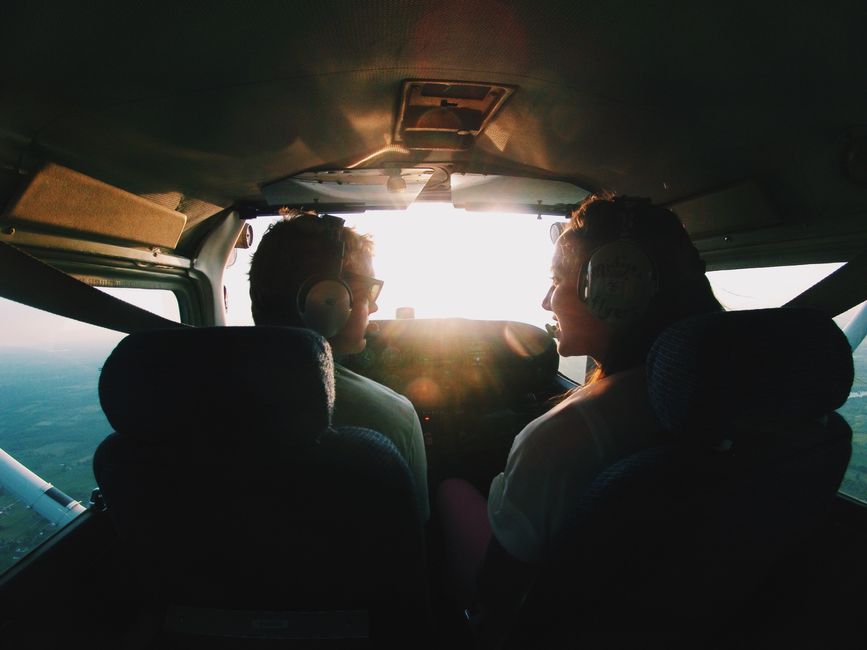
Stepping into an airport terminal, you can immediately spot a flight crew. But have you ever wondered, what do pilots wear that makes them look so authoritative and ready for the skies? The classic image of a pilot often includes a crisp white shirt, dark trousers, and those iconic gold or silver stripes on the shoulders. This attire is not just for show. It serves as a functional toolkit designed for safety, comfort, and professional identification.
The history of aviation clothing has shifted from the rugged leather jackets of early explorers to the polished uniforms seen today. Every piece of clothing a pilot chooses must withstand the rigors of pressurized cabins and changing temperatures. While fashion plays a small role, the primary focus is always on utility. Understanding the nuances of these garments helps aspiring aviators prepare for the high standards of the industry at a top-tier flight school.
The origins of pilot attire are rooted in military history and naval traditions. Early aviators flew in open cockpits, requiring heavy leather coats, goggles, and silk scarves to protect against the wind. As aircraft evolved, so did the clothing. The transition to the "airline" look began in the mid-twentieth century when companies wanted to instill confidence in passengers.
By adopting naval-style jackets and epaulets, airlines created a sense of command and discipline. This shift moved away from the "daredevil" image toward a more structured, corporate professional. Today, the uniform is a global symbol of expertise. Whether you are flying a large jet or a light aircraft, the traditional aesthetic remains a cornerstone of the professional pilot’s daily life.
Modern pilots prioritize breathable fabrics that offer a full range of motion. Most uniforms consist of a blend of cotton and synthetic fibers to prevent wrinkling during long shifts. High-quality materials are essential because pilots often spend hours seated in cramped environments. Comfort is a safety requirement, as any distraction from ill-fitting clothing can impact a pilot's focus.
In addition to the shirt and trousers, pilots often wear specialized undershirts to manage moisture. Temperature control in a cockpit can be finicky, moving from chilly pre-flight checks to warm, sunny altitudes. Layering allows the crew to adapt quickly. This practical approach ensures that the person at the controls remains physically capable of handling any situation that arises during the flight.
When asking what do pilots wear, the most distinctive feature is undoubtedly the epaulets. These shoulder boards display the pilot’s rank through a series of stripes. A captain typically wears four stripes, while a first officer wears three. These markings are not merely decorative; they establish a clear chain of command within the cockpit environment.
The number of stripes can vary depending on the specific airline or flight school. In some organizations, a flight student might wear one stripe, moving to two as they progress in training. These symbols foster a culture of respect and clarity. Knowing exactly who is in charge during an emergency is vital for the safe operation of any complex aircraft.
Shoes are a critical but often overlooked component of the pilot’s wardrobe. Pilots need footwear that provides a good grip on the rudder pedals without being too bulky. Most professional pilots opt for black leather shoes that can be polished to a high shine. However, the soles must be thin enough to allow for tactile feedback from the aircraft.
Because pilots spend a significant amount of time walking through terminals and performing exterior inspections, durability is key. High-quality leather ensures the shoes last through thousands of miles of travel. Proper arch support is also necessary to prevent fatigue during long duty days. The right pair of shoes bridges the gap between a professional appearance and mechanical necessity.
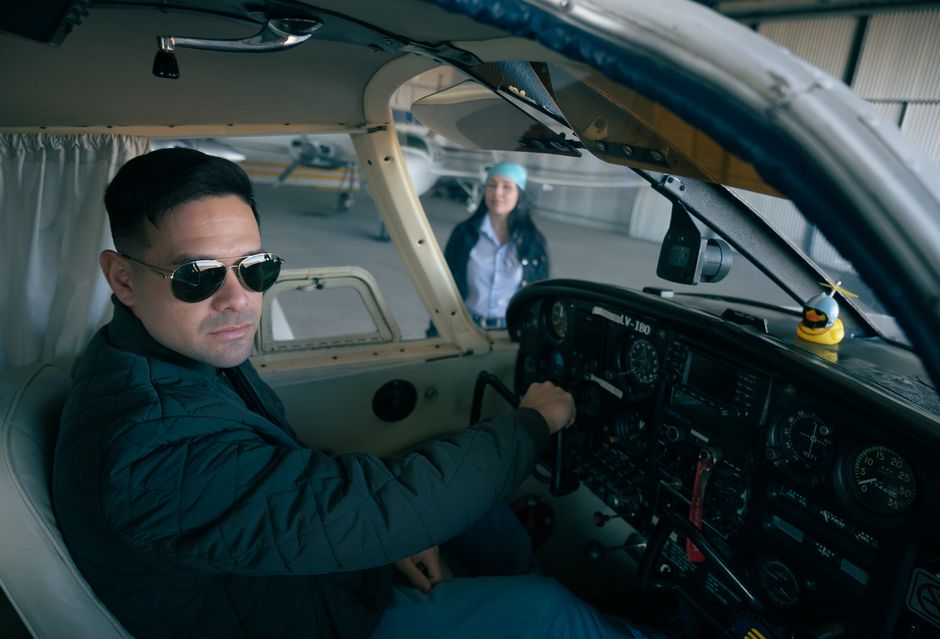
Sunglasses are perhaps the most iconic accessory in aviation. Beyond the "cool" factor, they are essential tools for maintaining situational awareness. Pilots are exposed to intense solar radiation and glare at high altitudes, which can lead to eye strain and permanent damage. Polarized lenses are often avoided because they can interfere with the visibility of digital cockpit displays.
Choosing the right tint is important for seeing traffic and weather patterns. Non-polarized, high-contrast lenses are the industry standard. They allow a pilot to see clearly through the windscreen while still being able to read the instruments. This balance of protection and clarity is why sunglasses are considered a mandatory piece of equipment rather than a simple fashion choice.
In cooler climates or during winter months, a flight jacket becomes a staple. These jackets are often tailored to match the uniform trousers and feature the same rank insignia. Some pilots prefer leather "bomber" style jackets for a more traditional look, while others stick to modern blazers. The jacket must be professional yet allow for easy arm movement.
Removing the jacket is common once the crew is inside the cockpit to prevent overheating. However, it must be worn when greeting passengers or moving through the public areas of the airport. This garment acts as the final layer of the professional persona. It provides warmth during cold pre-flight inspections while maintaining the crisp silhouette expected of a commercial aviator.
For commercial airlines, the uniform is a vital part of the brand. Every detail, from the color of the tie to the style of the hat, is carefully chosen to represent the company values. When a passenger sees a pilot, they should feel a sense of security and trust. This psychological effect is a major reason why uniform standards are strictly enforced.
Even in general aviation, many pilots choose to wear a "polo and khakis" combination to maintain a level of professionalism while using a reliable aircraft rental for their personal or business travel. Looking the part often translates to acting the part. When a pilot takes pride in their appearance, it reflects their attention to detail in the cockpit. Consistency in dress code reinforces the disciplined nature of the entire aviation industry.
Safety regulations often dictate the materials used in pilot clothing. Natural fibers like wool or cotton are preferred over certain synthetics because they are more fire-resistant. In the rare event of an onboard fire, the fabric should not melt or stick to the skin. This technical requirement is a subtle but life-saving aspect of the pilot's daily outfit.
Furthermore, clothing must not have loose strings or excessive bulk that could snag on cockpit controls. Every button and zipper is designed to be secure. The goal is to minimize any physical interference with the operation of the plane. While a uniform looks sharp, its design is deeply rooted in the philosophy of risk mitigation and operational excellence.
Keeping a uniform in top condition requires effort, especially for pilots who are constantly on the move. Most pilots carry portable irons or use hotel laundry services to ensure their shirts remain crisp. A wrinkled uniform can project a lack of care, which is the opposite of what a pilot wants to convey. Grooming and cleanliness are just as important as the clothes.
Regular maintenance extends to the hardware as well. Brass buttons and silver wings should be polished to prevent tarnishing. The leather on bags and shoes should be conditioned to withstand the elements. This level of upkeep shows a commitment to the profession. It demonstrates that the pilot treats their gear with the same respect they give to the aircraft.
Pilots fly through a variety of climates, often in a single day. A flight might start in a tropical heat and end in a snowy mountain range. Because of this, the modern pilot's wardrobe must be adaptable. Many uniforms include removable liners or light sweaters that fit under the main jacket. This versatility ensures the pilot remains comfortable regardless of the outside temperature.
Rain gear is another essential, particularly for those flying in regions with frequent storms. A compact, professional-looking trench coat or raincoat is often part of the standard kit. Staying dry during the walkaround is crucial for staying focused once back in the seat. Being cold and wet is a recipe for fatigue, so proper weather gear is a major safety asset.
While commercial pilots have strict codes, private pilots have more freedom. However, most experienced aviators still choose clothing based on the 220-degree rule of thumb for cockpit utility. Even without a formal uniform, they avoid baggy clothes or heavy boots that might obscure movement. The choice often leans toward "business casual" to maintain a professional atmosphere.
Ultimately, the goal is to balance personal style with the demands of the environment. Some pilots have a favorite pair of lucky socks or a specific brand of flight gloves. As long as these items do not compromise safety or the ability to manipulate controls, they add a touch of personality to the role. The uniform remains the baseline, but the pilot brings the character to the cockpit.
For many years, female pilots had to wear modified versions of men’s uniforms, which often fit poorly. Fortunately, the industry has evolved to provide tailored options specifically for women. These designs account for different proportions while maintaining the same professional aesthetic. This shift reflects the growing number of women entering the flight deck and succeeding in aviation careers.
Modern female uniforms include options for trousers or skirts, though trousers are far more common for their practicality in the cockpit. The inclusion of scarves or specific ties allows for a distinct but equally authoritative look. These changes ensure that all pilots, regardless of gender, can perform their duties in clothing that is both functional and flattering for their professional role.
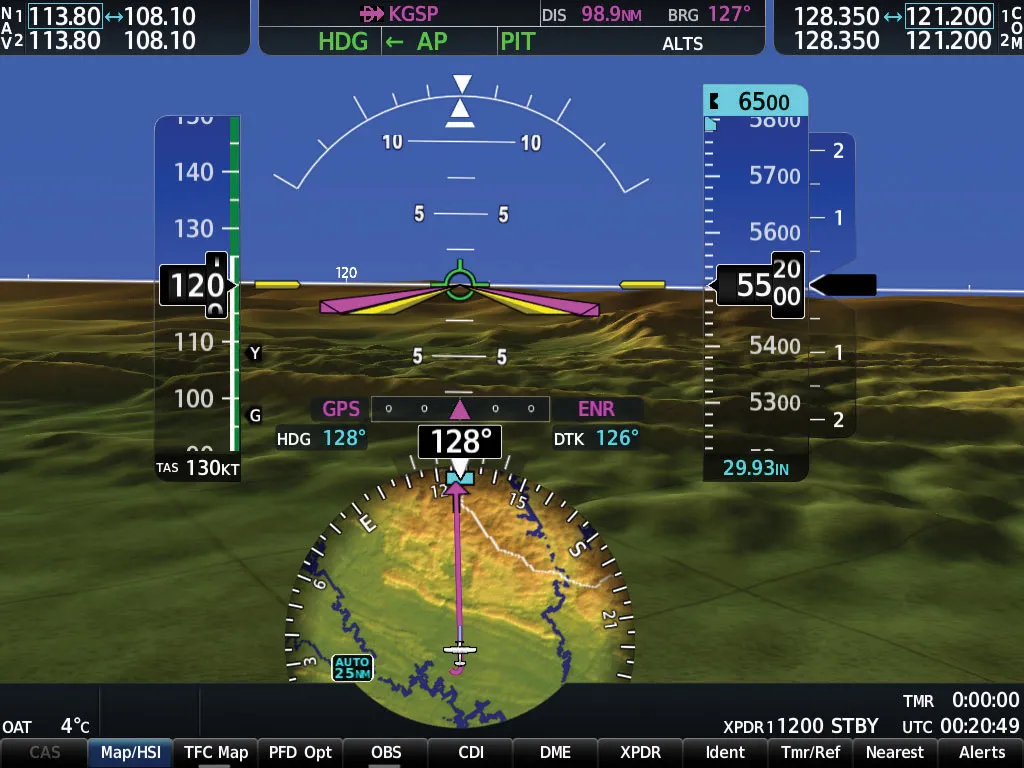
Savannah Aviation has long served as a trusted pillar of the regional flying community with decades of expert flight heritage. We offer comprehensive pilot training, detailed maintenance, and reliable aircraft rentals. Our fleet includes the iconic Cessna 172 model for unmatched precision in the skies. Suit up for your new career and prepare for departure today.
Request a personalized discovery flight and experience how professional instruction and careful preparation make learning to fly exciting and rewarding. Our team guides every step to help you build skills safely and confidently.
.webp)






.webp)